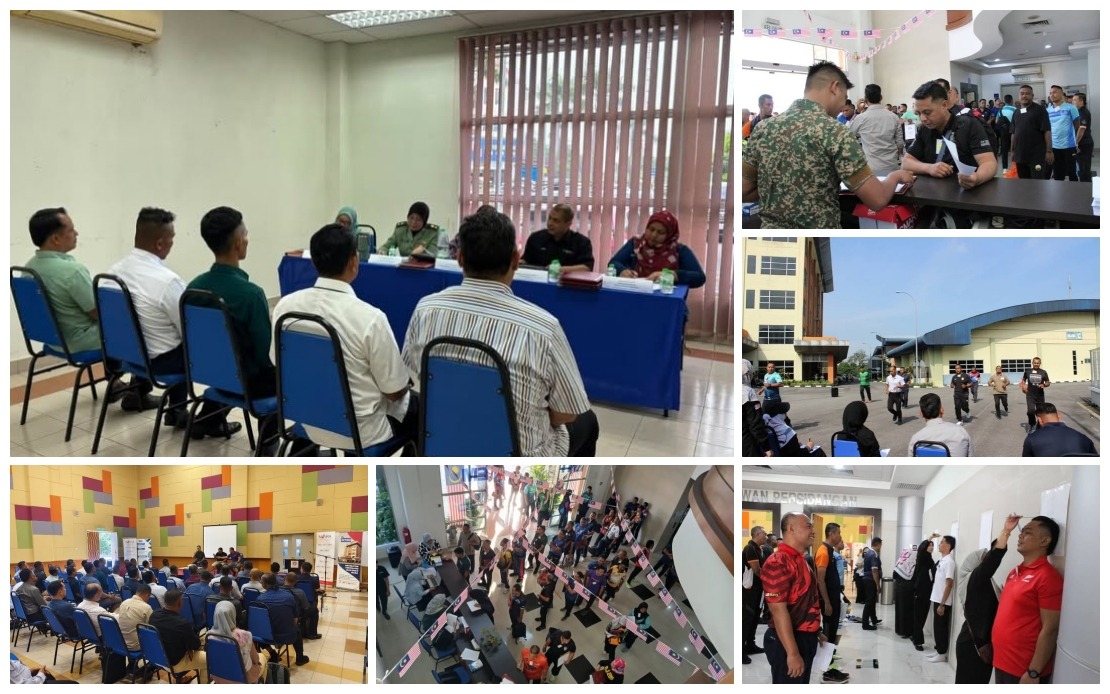
A significant recruitment exercise for Malaysia's MARA Junior Science Colleges (MRSM) has entered its critical evaluation phase, with 147 candidates of military background completing physical assessment sessions at the MARA Food Technology Incubator in Kepong last week. The interviews, conducted on consecutive days in mid-June, represent the culmination of an intensive multi-stage selection process designed to identify individuals suited for the demanding role of residential warden at the country's premier secondary boarding institutions. These appointees will assume their duties from July 1, marking the beginning of a new chapter in student welfare and dormitory management across the MRSM network.
According to MARA Chairman Datuk Dr Asyraf Wajdi Dusuki, the cohort of 147 candidates represents those who successfully navigated two preceding phases of online evaluation before receiving invitations to the in-person assessment. This systematic filtering process underscores MARA's commitment to securing qualified personnel capable of meeting the institution's exacting standards for residential supervision. The emphasis on preliminary screening demonstrates recognition that the warden position demands not merely basic competency but a carefully cultivated skill set and personal disposition suited to the unique demands of boarding school management.
The physical interview stage itself comprised three distinct assessment components designed to evaluate candidates holistically. Body Mass Index screening formed the first element, establishing baseline fitness standards appropriate to the role's physical demands. Candidates then undertook the Bleep Test, a progressively intense cardiovascular assessment that measures aerobic capacity and stamina—critical attributes for wardens who must maintain vigilance and responsiveness throughout demanding dormitory routines. These physiological evaluations were complemented by comprehensive face-to-face interviews, allowing assessors to gauge candidates' interpersonal skills, judgment, and alignment with MARA's institutional values and pedagogical philosophy.
The appointment of Full-Time External Wardens represents a deliberate strategic choice by MARA to enhance residential supervision across its college network. By recruiting from former military personnel, the organization draws upon a pool of individuals with established discipline, hierarchical awareness, and experience managing collective living environments. Military background often correlates with reliability, decision-making under pressure, and capacity to model structured conduct—qualities essential in residential settings where dozens of adolescents navigate developmental transitions within shared spaces. This recruitment pool reflects recognition that wardens shoulder responsibilities extending far beyond administrative functions.
Datuk Dr Asyraf Wajdi articulated a broader vision for the warden role that transcends conventional disciplinary frameworks. Rather than positioning wardens merely as enforcers of rules, MARA conceptualizes them as custodians of its educational philosophy and, in his words, as "second mothers and fathers" to resident students. This familial characterization acknowledges the profound influence wardens exert over students' formative years, when adolescents remain particularly receptive to mentorship, guidance, and behavioral modeling. The warden thus functions simultaneously as educator, role model, and emotional anchor—responsibilities that demand emotional intelligence alongside administrative competence.
The timing and scale of this recruitment initiative reflects institutional priorities identified within MARA's strategic planning. By deploying additional permanent wardens ahead of the new academic year, MARA signals determination to address persistent challenges within residential boarding environments. Bullying remains a documented concern across Malaysian boarding schools, as does disciplinary misconduct and broader social pathologies that emerge when supervision lapses or becomes depersonalized. Through bolstering warden staffing and emphasizing their multifaceted developmental role, MARA aims to construct residential communities characterized by genuine safety, interpersonal respect, and conducive conditions for academic and personal flourishing.
The concurrent recruitment of female warden candidates adds important dimension to this initiative. With 162 female former military personnel scheduled for physical interviews in the week following the male cohort's assessment, MARA demonstrates commitment to gender representation within its pastoral structure. Female wardens bring distinct strengths to residential communities and serve particular functions in supporting female students navigating adolescence, trauma, or specific vulnerabilities. The parallel recruitment timeline suggests organizational recognition that comprehensive pastoral care requires diverse perspectives and that students benefit from mentors reflecting varied backgrounds and life experiences.
From a regional perspective, Malaysia's approach to residential college management through dedicated warden recruitment merits attention. As boarding education remains prevalent across Southeast Asia, institutional decisions regarding pastoral staffing ripple through educational systems and influence outcomes for thousands of students annually. MARA's investment in recruiting qualified, vetted individuals from military backgrounds represents pedagogical commitment that extends beyond curriculum delivery to holistic student development. This approach acknowledges that academic excellence emerges within communities characterized by safety, belonging, and responsible adult presence.
The comprehensive assessment framework employed—combining physiological evaluation, cardiovascular testing, and behavioral interview—reflects international best practice in educational personnel selection. By demanding evidence of physical fitness, MARA ensures wardens possess stamina necessary for the role's physical demands, from managing emergency situations to participating in institutional activities and sports events. The Bleep Test's progressive intensity mirrors the accumulating pressures wardens encounter throughout demanding residential cycles. Face-to-face interviews permit assessors to detect qualities that cannot emerge through online screening: authenticity, emotional stability, cultural sensitivity, and capacity to connect meaningfully with young people.
Looking forward, successful candidates beginning their duties in July will enter institutions expecting transformation in residential experiences. Students across Malaysia's MRSM network will encounter wardens recruited through rigorous processes, trained in the institution's philosophy, and positioned as developmental guides rather than merely disciplinary figures. The scope of this recruitment—nearly 150 positions filled simultaneously—indicates substantial organizational commitment to reshaping residential culture and demonstrating through concrete action that student welfare constitutes a central institutional priority. Whether this initiative substantively reduces bullying and misconduct while enhancing student wellbeing will require ongoing monitoring, but the investment itself signals that MARA recognizes residential environments as fundamental to educational outcomes.

