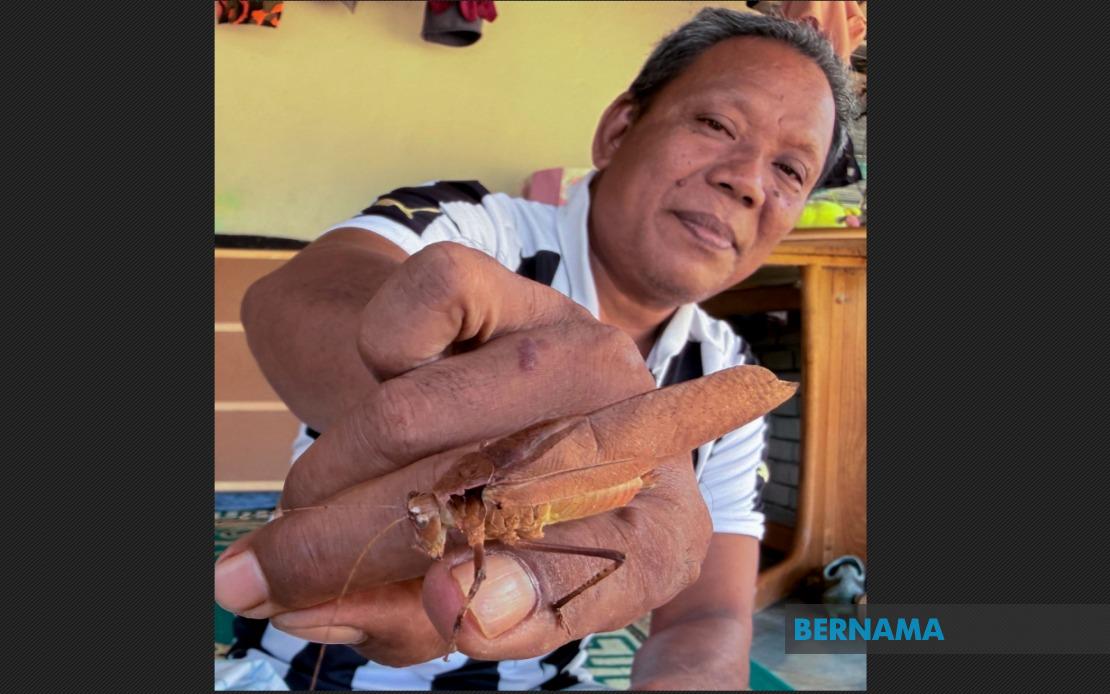
In the rural heartlands of Kelantan, a quiet revolution is unfolding as technology-weary youth return to one of Southeast Asia's most unconventional traditional pastimes: belalang kerek, the art of capturing, rearing, and battling singing grasshoppers. What began as a fading cultural practice has experienced a remarkable resurgence in recent years, drawing competitors from villages across the northeastern state who prefer the thrill of nocturnal insect hunting to the endless scroll of social media feeds. This revival reflects a broader phenomenon among Malaysian youth seeking authentic cultural engagement and outdoor pursuits that forge genuine human connections, a compelling counternarrative to the digital saturation that characterizes contemporary leisure.
The sport operates on principles refined through generations of rural tradition. Enthusiasts venture into the night armed with nothing more than acute hearing and patience, listening intently for the distinctive chirping of male grasshoppers nestled within agricultural plots and dense vegetation. The insects' vocalizations intensify dramatically after dusk, creating an auditory landscape that trained practitioners learn to navigate with remarkable precision. Muhammad Sayuti Mat, a 53-year-old competitor from Kampung Manal 3 in Tanah Merah, represents the bridge between traditional knowledge and contemporary participants. He emphasizes that the primary catalyst driving the hobby's unexpected renaissance stems from its extraordinary affordability and minimal resource requirements. Unlike modern recreational pursuits demanding constant technological upgrades and subscription fees, belalang kerek demands virtually nothing beyond human effort and environmental awareness.
The catching phase represents only the initial stage of this intricate cultural practice. Once captured, grasshoppers enter a rearing process that requires simple dietary provisions, making long-term participation economically accessible to virtually any household regardless of income level. This accessibility fundamentally distinguishes belalang kerek from expensive hobbies that often exclude lower-income communities. The straightforward feeding requirements mean that participants invest minimal resources into maintaining healthy competition-ready insects, eliminating barriers to entry that plague so many contemporary leisure activities. Young practitioners like 23-year-old Aidil Md Noor highlight how tournament participation itself remains remarkably economical, with entry fees as modest as RM3 per grasshopper, ensuring that even youth with limited disposable income can engage competitively.
The competitive dimension of belalang kerek creates a structured social framework that attracts participants seeking community and camaraderie. Tournaments gather enthusiasts across age brackets and villages, creating occasions for collective celebration and informal knowledge exchange. The emotional satisfaction derived from victory transcends monetary considerations. Competitor Rihduan eloquently articulates this motivation, describing the genuine thrill experienced when hearing a champion grasshopper produce superior-quality chirping during matches. This emphasis on non-material reward systems stands in stark contrast to modern entertainment culture's obsession with quantifiable outcomes and financial stakes. The psychological appeal operates on fundamentally different premises than contemporary gaming or competitive pursuits, emphasizing appreciation for natural acoustic beauty and the satisfaction of successful animal husbandry.
Kelantan's geographic and cultural position renders this resurgence particularly significant. The state maintains some of Malaysia's strongest connections to pre-modern traditional practices, partly due to its predominantly agricultural economy and relatively concentrated rural population. The return to belalang kerek among youth represents not merely nostalgia but active cultural preservation undertaken by the demographic most expected to embrace technological modernization. This apparent paradox—young people consciously choosing low-technology activities over digital alternatives—suggests deeper generational shifts in how Malaysians conceptualize leisure, authenticity, and community belonging. The phenomenon also reflects growing awareness among younger cohorts regarding the psychological and social costs of constant digital connectivity.
The nocturnal hunting expeditions themselves offer profound experiential value beyond competitive outcomes. Practitioners develop heightened environmental awareness and acoustic discrimination abilities that cultivate intimate knowledge of local ecosystems. Night hunts through agricultural areas and natural vegetation require navigating darkness, reading subtle environmental cues, and exercising patience—skills increasingly rare among urbanized populations. These expeditions function as de facto nature education, transmitting ecological knowledge while fostering respect for agricultural landscapes. For participants accustomed to climate-controlled indoor environments and artificial lighting, nocturnal fieldwork represents reconnection with rhythms that governed human existence for millennia.
The revival also carries implications for rural economic sustainability and cultural heritage preservation. As younger Kelantan residents engage with belalang kerek, they maintain connections to ancestral knowledge systems and agricultural traditions that might otherwise disappear amid nationwide urbanization trends. This engagement indirectly strengthens rural community cohesion at moments when agricultural employment provides insufficient economic incentive for youth retention. The sport creates occasions for intergenerational knowledge transfer, with older practitioners teaching younger ones the subtleties of insect identification, optimal hunting seasons, and training methodologies. Such transmission occurs through informal apprenticeship rather than classroom instruction, reinforcing traditional pedagogical approaches.
The broader Malaysian context amplifies the significance of this cultural phenomenon. National discussions regarding youth disengagement from traditional practices and excessive screen time consumption have intensified considerably. Government and civil society organizations have repeatedly highlighted concerns about sedentary lifestyles and diminishing familiarity with heritage activities among younger generations. Kelantan's belalang kerek revival offers a grassroots, organically-generated solution to these concerns. The movement emerged without institutional promotion or structured campaigns, instead spreading through peer networks and social demonstration—precisely the mechanisms through which cultural practices historically propagate and sustain themselves. This organic quality lends authenticity that manufactured heritage promotion initiatives frequently struggle to achieve.
The international perspective further contextualizes Kelantan's insect-fighting tradition within global practices. Similar cricket-fighting and insect-combat traditions flourish across East and Southeast Asia, particularly in Thailand, China, and Vietnam, where they constitute recognized cultural institutions attracting substantial participant bases and media attention. Malaysia's relative invisibility in international insect-sport discourse presents both challenge and opportunity. Greater documentation and international cultural exchange could enhance prestige associated with belalang kerek, potentially attracting tourism and creating economic opportunities for rural communities. Simultaneously, commercialization risks could corrupt the activity's core appeal—its grassroots, low-pressure character that makes participation genuinely accessible.
Looking forward, the sustainability of this revival depends on whether enthusiasm extends beyond current participants. Educational institutions might incorporate belalang kerek into cultural studies curricula, ensuring transmission of knowledge to youth outside rural regions. Digital documentation of hunting techniques, rearing methods, and competitive histories could preserve expertise while attracting younger practitioners through social media platforms—an ironic but potentially effective strategy for promoting non-digital activities. The challenge lies in maintaining the activity's authentic character while ensuring it achieves sufficient institutional recognition and support to withstand competing attractions. As Malaysia navigates rapid technological change and urbanization, practices like belalang kerek represent invaluable repositories of cultural identity and sustainable recreational alternatives that merit serious consideration and active preservation.

