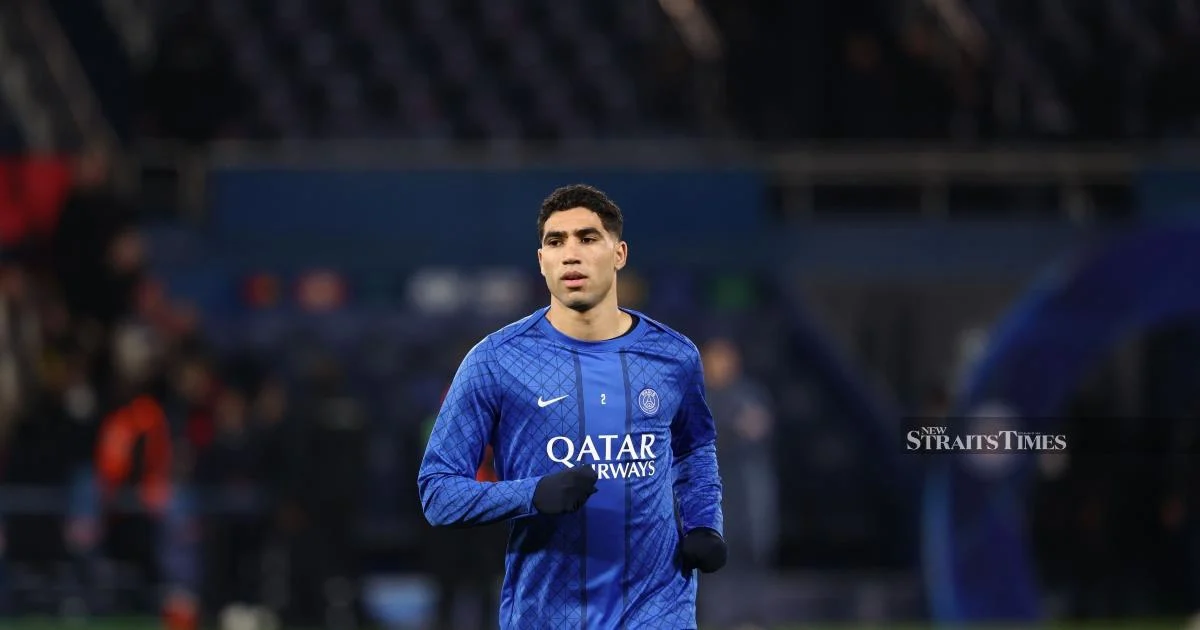
Moroccan international Achraf Hakimi faces a court trial after the appeals court in Versailles formally confirmed charges of rape against the Paris Saint-Germain defender on Friday. The decision represents a critical juncture in a case that has gripped European football and tested the sport's response to serious criminal allegations against one of its prominent figures.
Hakimi, who represents Morocco in international competition and has been a key player in Europe's top leagues, now confronts a judicial process that will examine allegations of sexual assault brought against him. The Versailles court's confirmation means the case will proceed beyond preliminary investigative stages to a full trial, where both prosecution and defence will present their evidence before a judge or jury.
The distinction between a court ordering someone to stand trial and determining guilt cannot be overstated. French legal proceedings require that sufficient evidence exist to justify proceeding to trial, but such a confirmation carries no presumption beyond establishing grounds for prosecution. Hakimi maintains his innocence and has consistently disputed the allegations through his legal representatives.
The case carries implications that extend beyond the individual player. Paris Saint-Germain, one of world football's wealthiest and most visible clubs, will face operational questions regarding squad management and player conduct protocols. The French club's response to the judicial process and its handling of the situation demonstrates how elite institutions navigate criminal matters affecting their personnel while balancing legal presumptions of innocence against institutional responsibilities.
For Moroccan football specifically, the case raises questions about international player representation and diplomatic considerations. Morocco's national team and football federation must balance support for a citizen and athlete against upholding principles concerning accountability and respect for legal processes. Such situations test the values football organisations espouse publicly against practical realities of defending athletes from their countries.
The allegations emerged within France's broader discourse around professional athletes and accountability. French legal authorities have demonstrated willingness to pursue serious charges regardless of a defendant's social status or earning power, reflecting evolving standards across European sports governance. The case sits within a wider pattern of European sports law being applied increasingly without exception to high-profile figures.
Procedural timeline now becomes crucial. French criminal trials involving serious charges typically span months, with preliminary hearings establishing legal parameters before substantive testimony. During this period, Hakimi's career remains in potential limbo. While professional footballers charged with crimes are sometimes permitted to continue playing pending trial outcomes, such arrangements reflect risk assessments by clubs regarding reputational and operational exposure.
The broader European football context matters substantially. Several leading European clubs employ players who have faced or are facing criminal allegations. How legal systems and institutions handle these cases establishes precedent for player conduct standards and institutional accountability. France's judicial approach may influence how other European nations address similar matters involving their own players and foreign athletes operating within their jurisdictions.
For Southeast Asian football communities and Malaysian sports observers, the case illustrates dynamics governing elite international athletes. Many players from the region aspire to compete in European leagues where most establish residence and face potential legal exposure in foreign jurisdictions. Understanding how European legal systems process serious allegations against foreign athletes carries practical relevance for emerging talents considering career moves abroad.
Hakimi's standing trial represents the next phase following the investigative confirmation. The actual trial proceedings will determine outcomes based on evidence presentation and legal arguments. Until such proceedings conclude, standard legal presumptions of innocence apply, a principle fundamental to fair judicial process regardless of public speculation or media coverage surrounding prominent figures.
The case demonstrates football's continuing struggle with ethical responsibilities regarding player conduct and institutional oversight. Whether at club level, national federation level, or within football's broader governance structures, organisations face pressure to balance legal due process against public expectations for accountability and moral leadership. How French courts, PSG, Morocco's football authorities, and international football bodies navigate this situation will establish important precedent for handling future allegations involving high-profile athletes.

