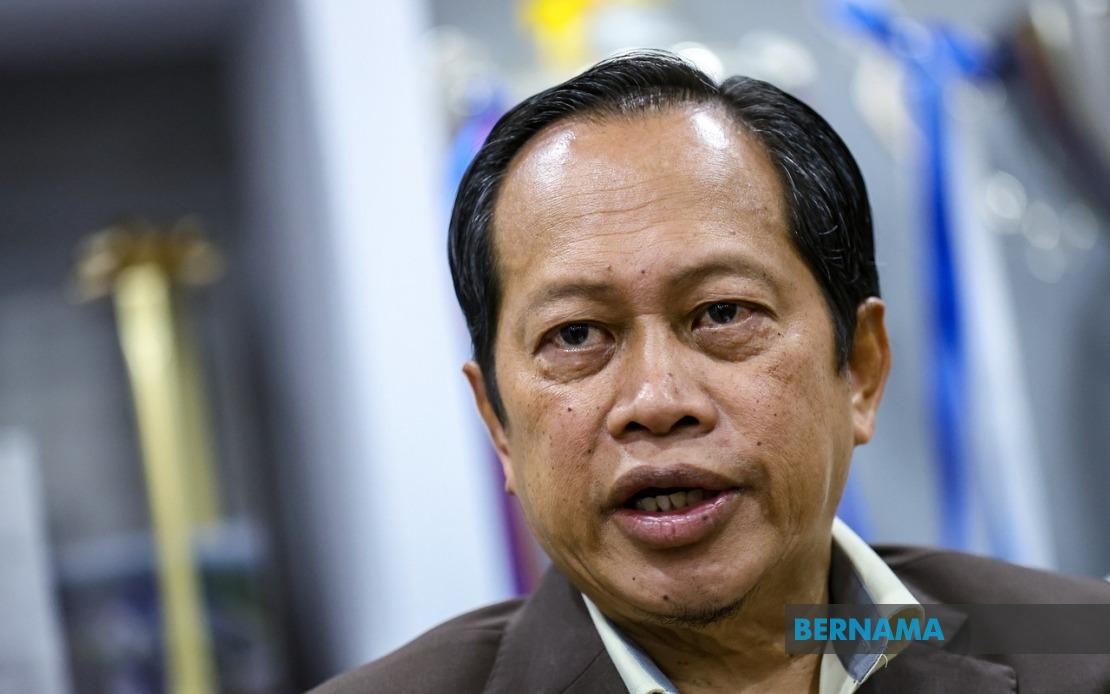
Johor's Barisan Nasional leadership has received confirmation that Datuk Seri Dr Ahmad Maslan, the coalition's deputy chairman in the state, will not be among those seeking election in the forthcoming state polls. The announcement, made during a visit to Johor Public Works Department facilities in Iskandar Puteri on June 15, effectively closes the door on months of conjecture regarding the Pontian Member of Parliament's political trajectory ahead of the crucial state-level contest.
Maslan's decision encompasses both state assembly seats that had been linked to his name through various reports. The Benut and Pulai Sebatang constituencies, both falling within his existing parliamentary representation of Pontian, have now been made available for other aspirants within the party machinery. His position as Deputy Works Minister at the federal level appears not to have influenced his determination to concentrate on his parliamentary duties rather than pursue additional state-level mandates.
The Pontian parliamentarian explained his reasoning to the gathered press, emphasizing that stepping back would create space for fresh political talent within UMNO and Barisan Nasional ranks. By voluntarily removing his name from consideration, Maslan suggested that the party's succession planning could benefit from allowing other ambitious candidates to prove their worth to voters. This approach reflects broader strategic thinking within the coalition about distributing opportunities across its membership base rather than concentrating power among senior figures.
Despite withdrawing from electoral contention, Maslan has signalled his commitment to remaining actively engaged in the campaign machinery. His role as a senior party figure places him in an excellent position to coordinate grassroots mobilization efforts, lead public communication strategies, and provide organizational support to selected candidates across various constituencies. The distinction between contesting personally and contributing significantly to party success is one that senior politicians often navigate, and his statement indicates he intends to maximize his influence through the latter avenue.
The Election Commission's timetable for the sixteenth Johor state election provides the framework within which all nomination decisions must occur. With June 27 designated as the date for candidates to formally register their applications, the window for finalizing slates remains compressed. Early voting will take place on July 7, followed by the general polling day on July 11. This condensed schedule has likely influenced the timing of Maslan's public confirmation, ensuring that party machinery can pivot quickly toward alternative candidates without creating administrative confusion.
Maslan's withdrawal assumes added significance within the broader context of Johor politics and UMNO's positioning ahead of this election. Johor has long represented a stronghold for the party, and maintaining its electoral dominance carries symbolic weight beyond the state's own governance. The decision by a high-ranking figure to step aside rather than maximize his personal political holdings suggests confidence in the party's bench strength and a willingness to prioritize collective advantage over individual advancement.
For Malaysian political observers, such moves by senior figures warrant attention as indicators of internal party health and succession planning. When powerful politicians voluntarily relinquish electoral opportunities, it can signal either genuine confidence in emerging talent or, conversely, calculations about diminished electoral prospects. Maslan's framing emphasizes the former interpretation, though both narratives may contain elements of truth. His continued active campaigning role would test whether his withdrawal represents genuine altruism or strategic repositioning.
The Pontian MP's decision also touches on broader questions about how Malaysian politics manages the balance between consolidating power among established leaders and creating advancement pathways for newer entrants. Political systems require both stability through experienced stewardship and dynamism through generational renewal. Maslan's move, if replicated across the party, could accelerate this renewal process, though skeptics might question whether senior figures would truly grant meaningful opportunities or merely shuffle positions among trusted allies.
Johor's electoral significance within the federation means that outcomes in the state will reverberate through national political calculations. Barisan Nasional's performance here will provide crucial data points for how effectively the coalition is consolidating support under its current leadership structure. Every seat contests, including those now being made available through Maslan's withdrawal, carries weight in assessing whether the coalition has successfully arrested the political trajectory that characterized recent years.
Looking forward, implementation of Maslan's commitment remains the critical question. Whether his active campaigning role materializes as promised, and whether the party indeed channels the now-available Benut and Pulai Sebatang seats toward promising newcomers rather than simply reshuffling existing powerbrokers, will provide the real test of whether his decision represents substantive political development or merely procedural repositioning. The weeks between now and July 11 will clarify his actual influence on the campaign and the nature of opportunities genuinely extended to others.