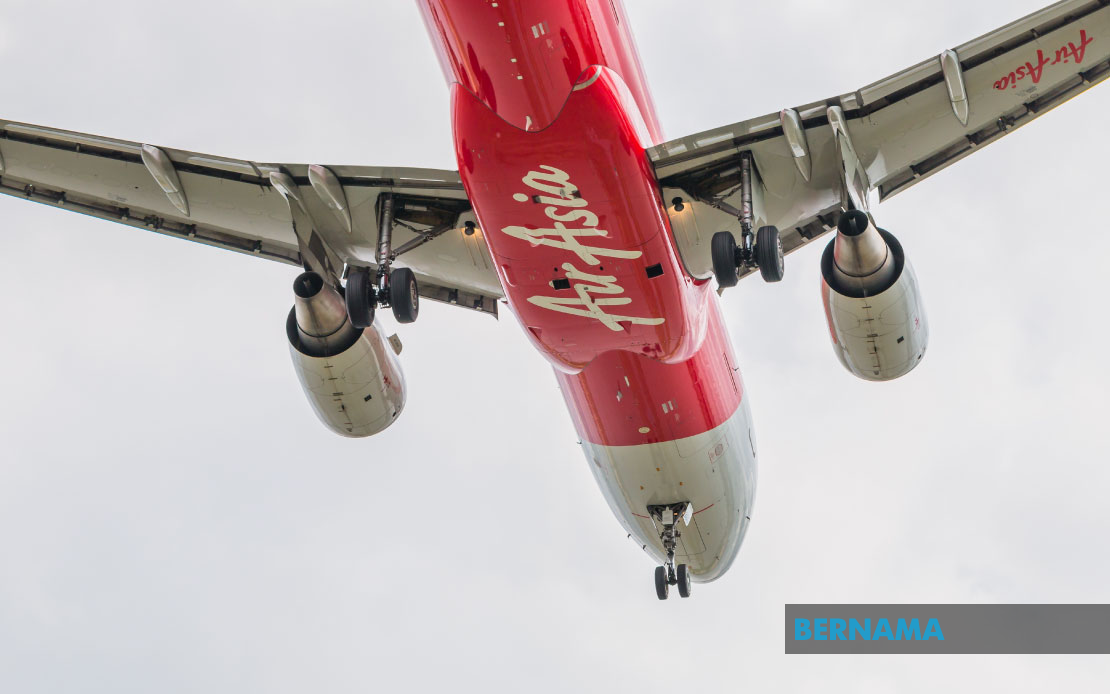
AirAsia has commenced operations on a new route linking Jakarta and Kota Bharu, positioning Kelantan as an emerging gateway between Malaysia and Indonesia. The inaugural flight to Kota Bharu touched down with 118 tourists aboard, signalling early market acceptance of the link. The complementary morning departure from Kota Bharu to Jakarta carried 184 passengers, demonstrating bidirectional demand that industry observers view as encouraging for the route's long-term viability.
Datuk Kamaruddin Md Nor, chairman of Kelantan's Tourism, Culture, Arts and Heritage Committee, characterised the opening flights as validation of the state's tourism potential and strategic positioning within Southeast Asia's aviation network. His remarks at Sultan Ismail Petra Airport reflected official optimism that this connection would channel visitor flows into Kelantan's emerging tourism offerings. The route emerges from collaborative efforts between state authorities and AirAsia to deepen Malaysia-Indonesia ties beyond bilateral agreements into tangible travel and commerce connections.
The timing of this service aligns with broader regional trends toward deepening ASEAN integration. Jakarta, as Indonesia's capital and economic centre, represents a substantial source market for leisure and business travel. Kelantan, with its distinctive cultural heritage, Islamic architecture, and handicraft traditions, offers differentiated attractions that appeal particularly to Muslim-majority markets within Indonesia. The route thus creates a natural pairing between an established metropolitan hub and a lesser-known but culturally rich destination seeking increased international exposure.
AirAsia's commitment extends beyond the inaugural celebration. The airline operates the service four times weekly, providing consistent connectivity rather than sporadic charter arrangements. Booking data released by the carrier shows near 70 per cent capacity reservations for the following two weeks, suggesting sustained interest beyond the novelty effect. This booking momentum contrasts with many regional routes that experience declining loads after initial launches, positioning the Jakarta-Kota Bharu link as potentially sustainable.
Promotional pricing structures represent another lever driving adoption. Return fares beginning at RM400 position the route competitively against land and sea alternatives, while remaining above rock-bottom pricing that might undermine yield sustainability. For Indonesian travellers, this tariff is accessible yet creates revenue sufficient to support operational viability. For Malaysian tourism stakeholders, the lower fares expand the addressable market beyond high-income segments, crucial for volume-driven tourism development in a state still building its international profile.
Kelantan's broader aspirations extend beyond this single route. State government planners explicitly articulated intentions to establish Kota Bharu as a regional aviation hub serving major ASEAN destinations. This vision reflects recognition that infrastructure advantages compound—once an airport achieves connectivity to one significant market, expansion becomes progressively easier. Conversely, isolation perpetuates stagnation. The Jakarta route therefore functions as proof-of-concept for Kelantan's runway capacity and ground infrastructure, essential credentials when negotiating with airlines for subsequent route launches to Bangkok, Ho Chi Minh City, Manila, or Singapore.
For Malaysia's broader tourism ecosystem, Kelantan's growth carries strategic implications. The nation's tourism industry historically concentrated visitor flows into Kuala Lumpur and beach destinations like Penang and Langkawi. Kelantan's emergence as a direct-flight destination from major Indonesian cities redistributes tourism revenue geographically and creates employment multipliers in an eastern state that historically lagged western corridor development. This distributional benefit strengthens Malaysia's resilience against tourism concentration risk while developing underutilised regional assets.
Indonesian travellers represent a particularly valuable segment for Malaysian tourism. They share geographic proximity, cultural affinity through Islam, and growing disposable incomes from Indonesia's expanding middle class. However, visa facilitation and air connectivity have historically constrained bilateral leisure travel volumes relative to potential. AirAsia's expansion into secondary cities like Kota Bharu incrementally removes connectivity barriers, allowing latent demand to manifest. Over time, habit formation and repeat visits from satisfied travellers compound initial impacts.
The route also carries trade and commerce implications. Malaysia and Indonesia maintain significant bilateral business ties, yet much traffic routes through established hubs. Direct Kota Bharu-Jakarta connections reduce transaction costs for business travellers, enabling mid-market enterprises to develop cross-border relationships that larger multinational corporations have long pursued. This democratisation of regional business connectivity strengthens underlying economic integration within Southeast Asia.
Cultural exchange potential deserves consideration alongside commercial metrics. Direct flights facilitate people-to-people connections that transcend business transactions. Indonesian visitors discovering Kelantan's Islamic institutions, traditional batik production, and culinary traditions become informal ambassadors, strengthening soft power and mutual understanding. Similarly, Malaysian business people and tourists travelling to Jakarta encounter Indonesian culture directly, enriching both societies beyond quantifiable economic metrics.
Sustainability of this route ultimately depends on several factors operating in concert. AirAsia must maintain aircraft utilisation rates sufficient to justify airport slot allocation and crew scheduling. Kelantan's tourism infrastructure—hotels, restaurants, attractions, transportation—must scale to accommodate growing visitor volumes without degrading quality. Indonesian demand must persist beyond initial novelty, suggesting that Kelantan's value proposition must evolve beyond opening-month curiosity into sustained appeal.
Regional aviation trends favour route expansion into secondary cities. Southeast Asian tourism is gradually decentralising as budget carriers enable visits to authentic, less-commercialised destinations. Kelantan, with its distinctive identity and manageable tourist volumes, fits this emerging preference pattern. If managed judiciously, the Jakarta-Kota Bharu connection becomes a sustainable foundation for broader tourism and economic development, extending beyond aviation itself into hospitality, retail, and cultural sectors throughout the state.