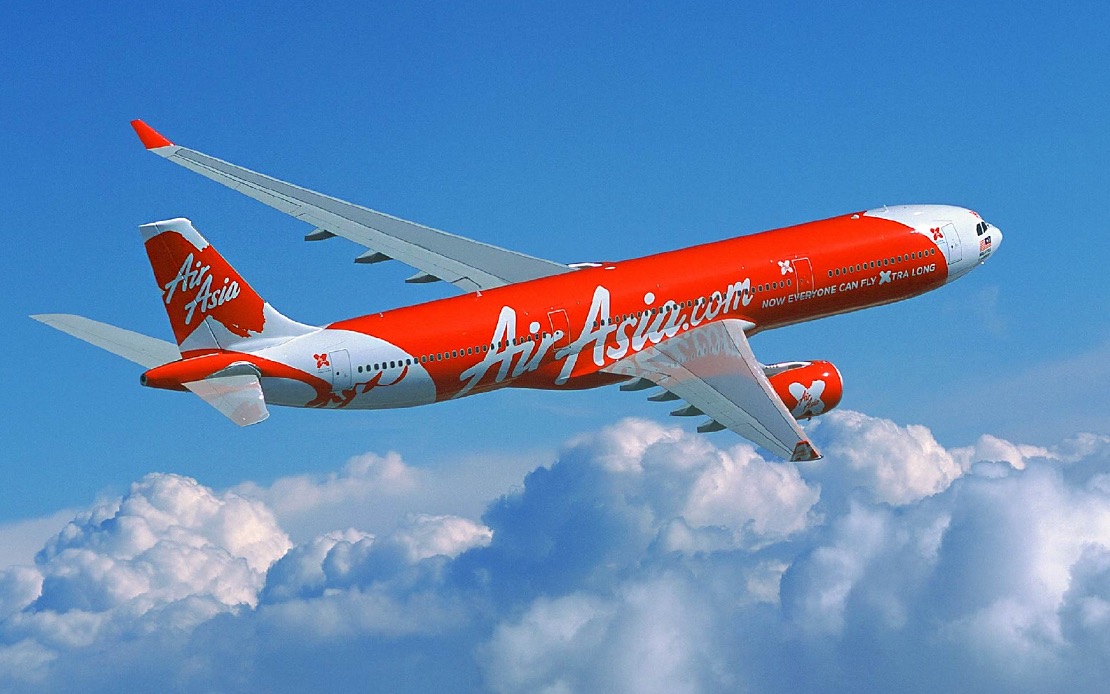
AirAsia has begun operating a direct air service connecting Jakarta with Kota Bharu, marking a strategic move to strengthen tourism connectivity between Malaysia and Indonesia ahead of the Visit Malaysia 2026 campaign. The inaugural flight AK2354, operating with a 180-seat Airbus A320 aircraft, touched down at Sultan Ismail Petra Airport on Tuesday afternoon carrying 117 passengers, representing a 63 per cent load factor that reflects initial market demand for the route.
The introduction of this service addresses a long-standing gap in regional connectivity, as Kelantan previously lacked direct air links to major Indonesian cities. The route's timing coincides with Malaysia's broader push to diversify visitor sources and strengthen intra-ASEAN tourism flows. Indonesia represents one of Malaysia's most important tourism markets, with shared cultural heritage and geographical proximity driving substantial travel volumes. However, the absence of direct flights between Jakarta and the East Coast had forced potential visitors to route through Kuala Lumpur or Singapore, adding time and cost to their journeys.
Tourism Malaysia officials describe the new route as instrumental in realising the Visit Malaysia 2026 objectives, which centre on building on Malaysia's reputation as a premier Southeast Asian destination. Director-general Mohd Amirul Rizal Abdul Rahim highlighted that the service would facilitate easier access for Indonesian tourists to experience Kelantan's distinctive attractions, which include the historic Pasar Siti Khadijah, the architecturally significant Kampung Laut Mosque, the artisanal precinct of Kampung Kraftangan, and the geological formations of Stong Geopark. These sites represent Kelantan's positioning as a cultural and heritage-focused destination distinct from Malaysia's mainstream beach and urban tourism offerings.
Beyond leisure travel, tourism authorities see broader economic potential from the route. Health tourism—a high-value segment where Southeast Asian patients seek treatment in Malaysian private hospitals—stands to benefit from improved accessibility. The direct connection reduces friction in the patient journey and opens opportunities for medical tour operators in Jakarta to include Kelantan in their packages. Additionally, officials anticipate the route will strengthen personal and business connections between Malaysian and Indonesian communities, fostering people-to-people ties that extend beyond conventional tourism metrics.
Kelantan's tourism director Azwan Ab Rahman positioned the new service as a gateway not only to the state's own attractions but also as a transit hub for onward travel to southern Thailand's beach destinations and the East Coast's resort islands. This positioning reflects a broader regional tourism strategy wherein Kota Bharu functions as an entry point for multi-destination itineraries. The East Coast region—comprising Kelantan, Terengganu, and Pahang—has traditionally received lower visitor numbers than peninsular Malaysia's western corridor, yet possesses significant natural and cultural assets that appeal to regional tourists seeking authentic experiences.
The route's establishment occurs within a context of substantial Malaysia-Indonesia air connectivity. As of April 2026, more than 634 weekly flights operate between the two countries, providing over 114,806 weekly seats. The Jakarta-Kota Bharu service represents an addition to this capacity, though its significance lies not in volume but in network coverage. By connecting a major Indonesian metropolitan region directly to an underserved Malaysian destination, the route redirects travel patterns and demonstrates AirAsia's strategy of linking underutilised airports to regional economic hubs.
AirAsia's involvement underscores the low-cost carrier's role in enabling point-to-point regional travel that traditional full-service airlines have not prioritised. Datuk Captain Fareh Mazputra, AirAsia Malaysia's general manager, framed the expansion as consistent with the airline's mission to unlock tourism and economic potential at secondary destinations. This business model has historically driven visitor increases at destinations receiving new low-cost connectivity, as reduced fares expand the addressable market beyond business travellers to leisure tourists for whom flight costs represent a significant portion of trip budgets.
From Kelantan's perspective, the route offers economic diversification beyond traditional sectors. Tourism spending generates employment in hospitality, transport, retail, and food services, sectors that benefit broader community segments than extractive industries. The state's tourism development strategy has emphasised cultural preservation alongside visitor growth, positioning Kelantan as an alternative to commercialised beach destinations. The Jakarta route aligns with this positioning by attracting Indonesian visitors interested in Islamic heritage sites and traditional crafts—segments less price-sensitive than mass market beach tourists.
However, the route's success depends on factors beyond its mere existence. Tourism infrastructure in Kota Bharu requires adequate development to absorb increased visitor flows. Hotel capacity, restaurant quality, signage and information services, and ground transportation must accommodate larger numbers without degrading the authentic experiences that differentiate Kelantan from competing destinations. Previous tourism development in Malaysia has sometimes compromised the cultural assets that originally attracted visitors, raising questions about sustainable tourism management as visitor volumes grow.
The load factor of 63 per cent on the inaugural flight reflects reasonable but not exceptional demand, suggesting the route requires nurturing through marketing and pricing strategies before operating at higher utilisation rates. AirAsia will likely deploy promotional fares during the initial phase to build route awareness and establish travel patterns. Tourism Malaysia's marketing efforts will need to coordinate with the airline's commercial strategies to ensure that Kelantan benefits from visitor growth rather than serving as a transit point for passengers continuing to other destinations.
Regionally, the route exemplifies how ASEAN aviation liberalisation has enabled smaller cities to access international markets previously reserved for major hubs. Indonesia's outbound travel from Jakarta continues growing as middle-class expansion drives discretionary spending on tourism. Malaysian destinations increasingly compete for this demographic, with the East Coast offering cost advantages and differentiated experiences relative to established western Malaysian destinations. The Jakarta-Kota Bharu route positions Kelantan within this competitive landscape while strengthening bilateral tourism ties ahead of Visit Malaysia 2026.
Looking forward, the route's viability depends on sustained passenger demand, operational efficiency, and complementary infrastructure investment. If successful, it may encourage AirAsia or other carriers to introduce additional services linking Indonesian cities to other Malaysian secondary destinations, further distributing tourism benefits and reducing concentration in Kuala Lumpur and Penang. For Kelantan specifically, the route represents both opportunity and challenge—opportunity to diversify its economy through tourism and strengthen cultural ties with Indonesia, but also the challenge of managing growth sustainably while preserving the authentic heritage assets that attracted visitors initially.