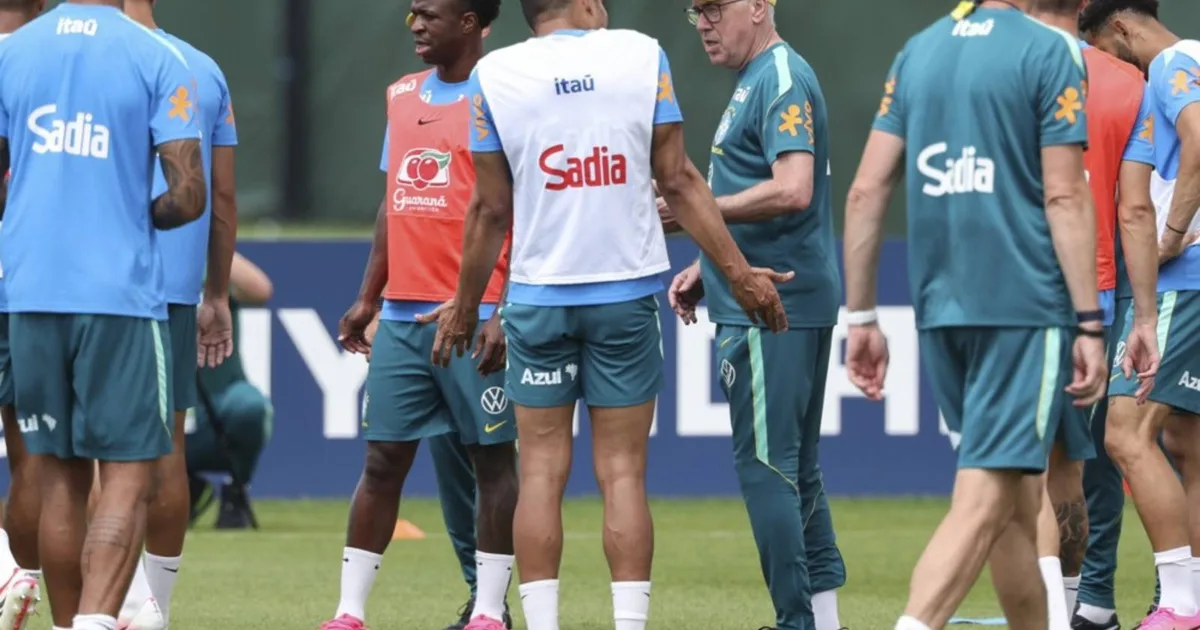
Carlo Ancelotti's measured response to Brazil's recent stumble against Morocco signals the experienced Italian tactician's faith in his squad's ability to regroup and execute necessary adjustments when they confront Haiti in their next Copa America qualifier. Rather than resort to panic or sweeping personnel changes, the coach has framed the upcoming encounter as a crucial developmental moment where his team can methodically work through the defensive shortcomings and organisational issues that cost them a victory over the North African side.
Brazil's failure to capitalise on their dominance against Morocco revealed tactical vulnerabilities that extend beyond simple execution errors. The 1-1 result exposed gaps in their defensive structure and highlighted moments where the team's shape and positioning allowed Morocco unnecessary opportunities to create dangerous chances. These are precisely the kinds of issues that Ancelotti, with his vast experience managing elite European clubs and the Brazilian national team, views as correctable through proper analysis and focused training interventions rather than fundamental squad reconstruction.
The Haiti fixture presents a favourable context for Brazil to implement corrections. While Haiti represents a less technically sophisticated opponent than Morocco, the match carries significant importance within the Copa America qualification campaign. For Malaysian readers accustomed to watching Southeast Asian teams navigate qualification tournaments, the significance of securing wins against varying opponent qualities will be familiar—tournament success requires consistency regardless of the opponent's ranking, and Brazil cannot afford to drop points unnecessarily if they aim to secure automatic qualification.
Ancelotti's composed demeanour reflects confidence in his players' professionalism and adaptability. The coach has managed some of Europe's biggest clubs, including AC Milan, Real Madrid, and Chelsea, accumulating vast experience in rapidly stabilising teams after disappointing results. His calm approach suggests he has identified specific, fixable problems rather than systemic issues requiring wholesale changes. This methodical diagnosis and remedy approach has proven effective throughout his illustrious career and should provide Brazil supporters with genuine reassurance.
The defensive organisation deficiencies exposed against Morocco must receive particular scrutiny. Haiti, despite being ranked considerably lower in international football, will present a different tactical challenge that could either expose those same vulnerabilities or allow Brazil to demonstrate improvements. Against less organised attacking systems, Brazil's defensive unit should find it easier to implement new positioning guidelines and communication protocols. Success against Haiti would provide momentum heading into subsequent qualifiers against more challenging opponents.
Brazil's midfield control and distribution patterns also warrant examination. The team's ability to dominate possession against Morocco without converting that advantage into goals suggests issues beyond the defensive unit. Ancelotti will likely focus on movement in attacking phases, the timing of forward passes, and ensuring that the team's creative players receive the ball in positions where they can decisively influence play. These refinements often prove crucial when facing opponents with different pressing intensities than established European sides.
For regional fans observing how elite football nations approach qualification tournaments, Brazil's situation offers instructive lessons. The Seleção, despite their talent, must navigate the same unpredictable variables facing teams throughout CONCACAF, CONMEBOL, and other confederations. Maintaining intensity and concentration across multiple matches, adapting tactically to opponents with varying styles, and converting opportunities when they arise are universal demands. Ancelotti's clinical approach to problem-solving demonstrates how top coaches separate temporary setbacks from genuine crises.
The Haiti match also serves as a barometer of squad cohesion and player response to coaching direction. When a coach implements tactical adjustments, how quickly players absorb and execute those instructions during match situations reveals genuine team unity and individual professionalism. Ancelotti will be observing not just whether Brazil wins, but how comprehensively they implement his prescribed corrections. This level of psychological insight into squad management separates merely experienced coaches from truly great ones.
From a broader Copa America qualification perspective, Brazil faces an extended campaign where they will encounter teams ranging from elite CONMEBOL sides like Argentina and Uruguay to less developed opponents like Haiti. Demonstrating the flexibility to perform effectively against varied opposition styles while steadily improving tactical organisation becomes essential. Ancelotti's calm confidence appears justified if his diagnostic analysis proves accurate and his adjustments resonate with the playing group.
The upcoming Haiti fixture represents a pivotal moment in Brazil's qualification journey. While the result matters fundamentally for tournament points, the manner of victory and the degree to which the team visibly improves its defensive shape and attacking organisation will carry psychological weight extending well beyond the immediate scoreline. Ancelotti's composed demeanour suggests he believes his players will respond positively, making Haiti's visit to the Seleção a testing ground for broader tournament ambitions rather than a genuine referendum on the team's fundamentals.

