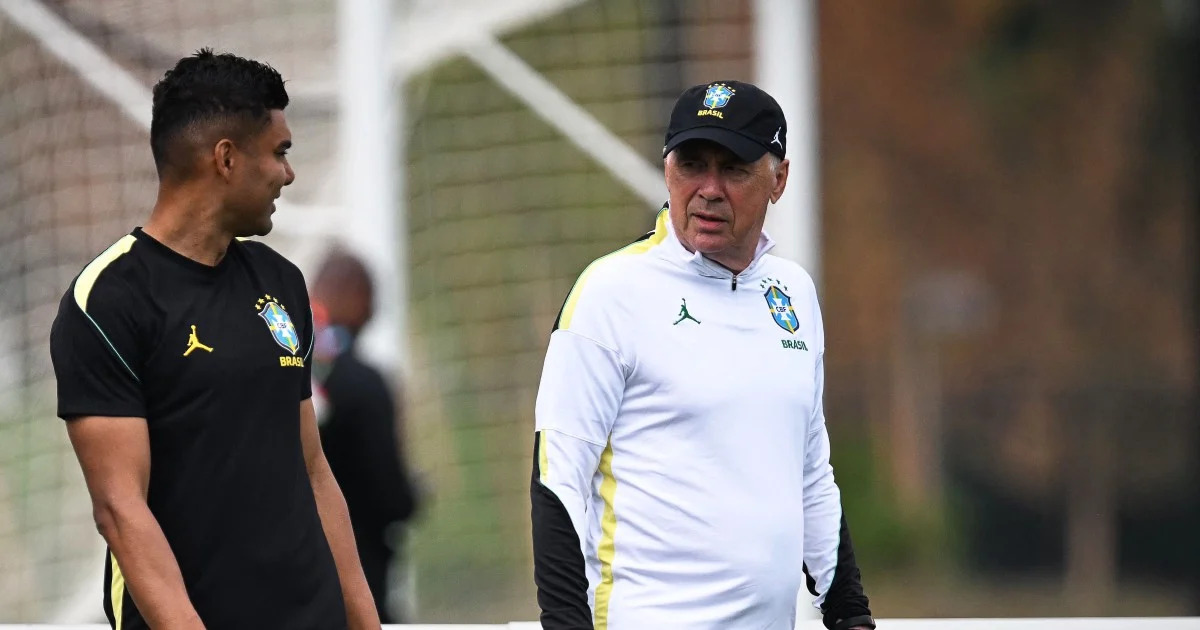
Carlo Ancelotti has publicly resisted the temptation to overreact to Brazil's opening World Cup stumble, maintaining a measured demeanor despite the disappointment of failing to break through against Morocco in their Group C campaign. Speaking from Philadelphia ahead of Friday's encounter with Haiti, the veteran Italian tactician refused to characterise the 1-1 draw as a crisis moment, instead framing the upcoming fixture as a strategic reset and a platform to implement corrective measures against opponents likely to offer a different challenge.
The goalless stalemate with the North Africans had illustrated several cracks in Brazil's defensive architecture and rhythm building that scouts and analysts had quickly seized upon. Rather than descending into recrimination or wholesale tactical overhauls, Ancelotti's public statements reflected a coach who recognises that tournament football frequently demands incremental refinement rather than dramatic upheaval. For a squad laden with attacking talent and World Cup pedigree, the frustration was arguably as much about execution and shape as it was about personnel, a nuance that shaped his assessment of what lay ahead.
Brazil's attacking arsenal, featuring some of the world's most creative and incisive forwards, had been surprisingly blunted in the opening contest. The absence of clear-cut opportunities suggested that Morocco's compact defensive setup and disciplined midfield screen had disrupted the free-flowing patterns that typically characterise Brazilian football. Haiti, by contrast, would likely approach the fixture from a position of minimal expectation and defensive caution, potentially offering more space and transition opportunities that could liberate Brazil's considerable offensive resources.
Ancelotti's composure in the aftermath of the Morocco result reflected both his extensive pedigree—spanning successful tenures at elite European clubs—and his understanding of tournament dynamics. Panic and reactive changes often compound problems rather than solve them, particularly when a team possesses sufficient quality to learn and adapt. The coach's willingness to absorb early setbacks without overcomplicating his approach has been a hallmark of his managerial philosophy across his career.
The tactical blueprint against Haiti would likely prioritise regaining offensive rhythm while simultaneously tightening the defensive vulnerabilities that Morocco had probed. Brazil's transition from defence to attack, which appeared laboured in the opener, needed sharpening. Similarly, set-piece organisation at both ends of the field had shown concerning gaps that a more aggressive opponent might have exploited more ruthlessly. Haiti's relative inexperience at the highest level would provide a more forgiving examination ground for implementing these corrections.
From a regional Southeast Asian perspective, Brazil's early struggles carry intriguing parallels to the challenges that face larger football nations when navigating unexpected resistance from well-organised underdogs. The margin between dominant performance and stalemate often hinges on millimetre differences in execution and concentration—lessons relevant to any ambitious football programme seeking sustained success at tournament level. Haiti's willingness to compete rather than surrender also illustrates how modern international football has narrowed the traditional gulf between heavyweight nations and minnows, a trend that has reshaped competitive dynamics across all confederations.
Ancelotti's refusal to catastrophise also signalled confidence in his squad's ability to learn and respond. Brazil has historically possessed the mental resilience to bounce back from disappointing openings, and the presence of experienced players who have navigated similar tournaments would assist the reset process. The coach's job was to channel that experience into purposeful preparation rather than anxious improvisation.
The Haiti fixture represented a critical juncture in Brazil's World Cup narrative. A dominant victory would settle nerves and restore the natural flow of the team's attacking patterns. Simultaneously, the match would provide coaching staff an ideal opportunity to test tactical adjustments and personnel combinations without the suffocating pressure of a knockout scenario. Ancelotti's calm exterior masked the underlying tension inherent in tournament football, where momentum and psychological momentum intertwine.
The Brazilian coach understood that recovery from the Morocco draw required both psychological recalibration and technical precision. His public messaging—steady, focused, and free from defensive excuses—set the appropriate tone for a professional group that needed to harness frustration into performance improvement rather than spiral into doubt. In that sense, Ancelotti's demeanor reflected not complacency but rather the clarity of a manager who recognised exactly what his team needed to recalibrate and the opportunity that Haiti's comparative vulnerability offered.