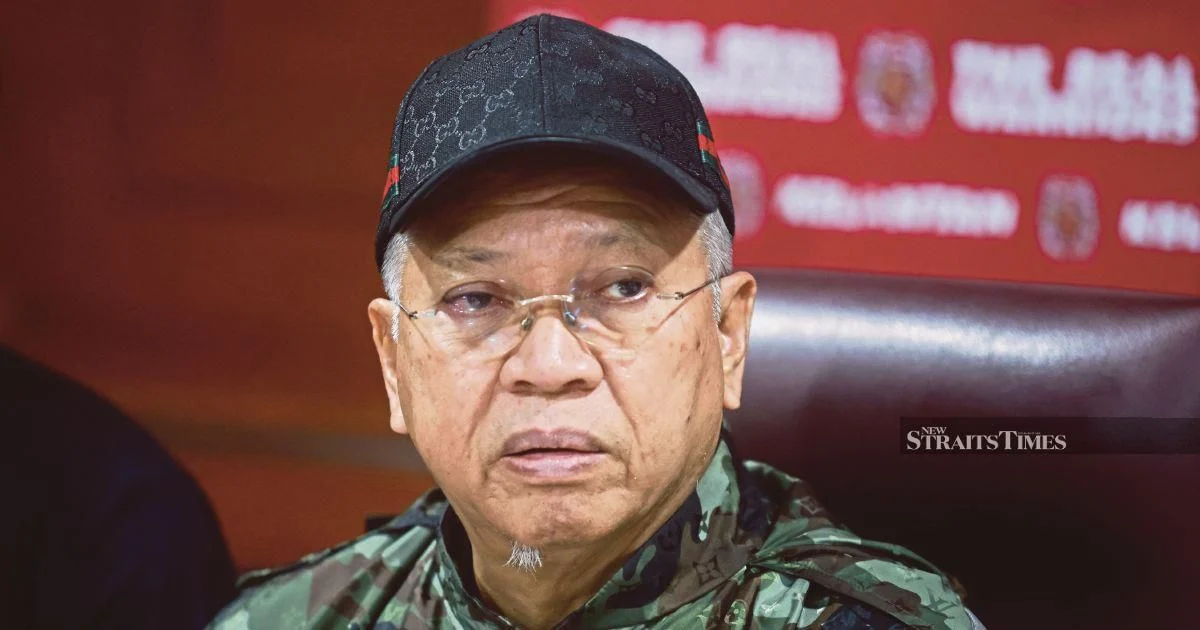
Tan Sri Annuar Musa acknowledged in Kota Baru today that despite his sustained efforts, he could not successfully bridge the growing rifts between Pas and the competing factions operating within Bersatu, a setback that underscores the fragility of the Perikatan Nasional alliance.
The admission represents a significant moment for the coalition, which has served as the primary opposition grouping since 2020 but has struggled with internal cohesion. Annuar's personal intervention attempts suggest the strain between these political entities has reached a level where even senior figures with considerable influence struggle to find common ground. The inability to resolve such tensions raises questions about the coalition's durability and its capacity to present a unified front when facing parliamentary challenges or preparing for future electoral contests.
The relationship between Pas and Bersatu has been complicated by overlapping interests and competing visions for the coalition's direction. While both parties share opposition to Pakatan Harapan's governance model, their underlying ideological foundations and party organisational priorities have created friction points. The emergence of distinct factions within Bersatu has further fragmented decision-making processes, forcing leaders like Annuar to navigate increasingly complex political terrain where satisfying one group inevitably disappoints another.
Annuar's disclosure carries particular weight given his position and credibility within Perikatan Nasional circles. As a respected figure capable of accessing different party leadership echelons, his failure to achieve reconciliation indicates the depth of disagreement involved. The various factions appear to hold entrenched positions on key issues that extend beyond routine coalition management. These disputes likely touch on resource allocation, candidate selection for future elections, policy prioritisation, and questions about leadership succession within individual parties.
The tensions within Bersatu deserve specific attention, as internal party divisions fundamentally complicate coalition dynamics. When a single component party contains competing power bases pursuing different agendas, the coalition's overall strategic capacity diminishes considerably. Coalition leaders must expend political capital managing intra-party disputes rather than focusing on opposition strategy or preparing governance platforms. This internal preoccupation leaves the alliance vulnerable to disciplined competitors capable of maintaining unified positions on major issues.
For Malaysian observers, this development carries practical implications extending beyond elite political manoeuvring. A fractious opposition makes parliamentary opposition less effective, potentially affecting scrutiny of government policies and legislation. Additionally, if Perikatan Nasional cannot demonstrate internal unity, voters may question its readiness for governance should electoral circumstances change dramatically. Political unity is not merely an aesthetic concern—it affects institutional performance and policy coherence.
The timing of Annuar's statement merits consideration alongside broader Perikatan Nasional developments. Coalition relationships have been tested by various national and state-level political developments, each adding cumulative strain to existing partnerships. Governing arrangements at state level sometimes diverge from federal coalition strategy, creating additional tension points. These multiple layers of political negotiation exhaust the goodwill that holds coalitions together during challenging periods.
From a Southeast Asian perspective, Malaysia's coalition dynamics reflect patterns visible across the region. Multi-party democratic systems frequently struggle with maintaining durable political alliances when ideological diversity, ethnic representation concerns, and personal leadership ambitions intersect. Other nations have experienced similar coalition collapses when internal management failed. Annuar's candid acknowledgment suggests Perikatan Nasional leadership recognises these risks and understands that continued drift could trigger defections or formal splits.
The next phase in this evolving situation will likely determine whether the coalition can develop new institutional mechanisms for managing disputes or whether the identified rifts will widen further. Some observers may expect Annuar to resume mediation efforts using different approaches, while others question whether the fundamental incompatibilities he encountered are simply too substantial for incremental adjustment. The coalition's fate may ultimately depend on whether Pas and Bersatu can identify sufficient mutual interest to justify remaining partners despite genuine disagreements.
Moving forward, Malaysian political commentators will monitor whether this failed reconciliation attempt prompts serious institutional reform within Perikatan Nasional or whether it represents merely one chapter in an ongoing struggle. Coalition partners occasionally endure periods of acute tension before emerging with renewed understanding, though such outcomes require genuine commitment from all involved parties. Conversely, failed reconciliation attempts sometimes mark the beginning of slow dissolution, with formal partnership ending years after functional unity has collapsed. The distinction between these trajectories will significantly affect Malaysian politics over the coming years.

