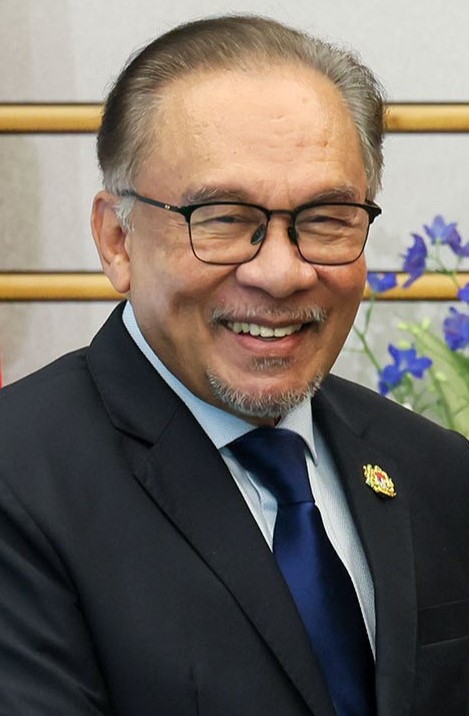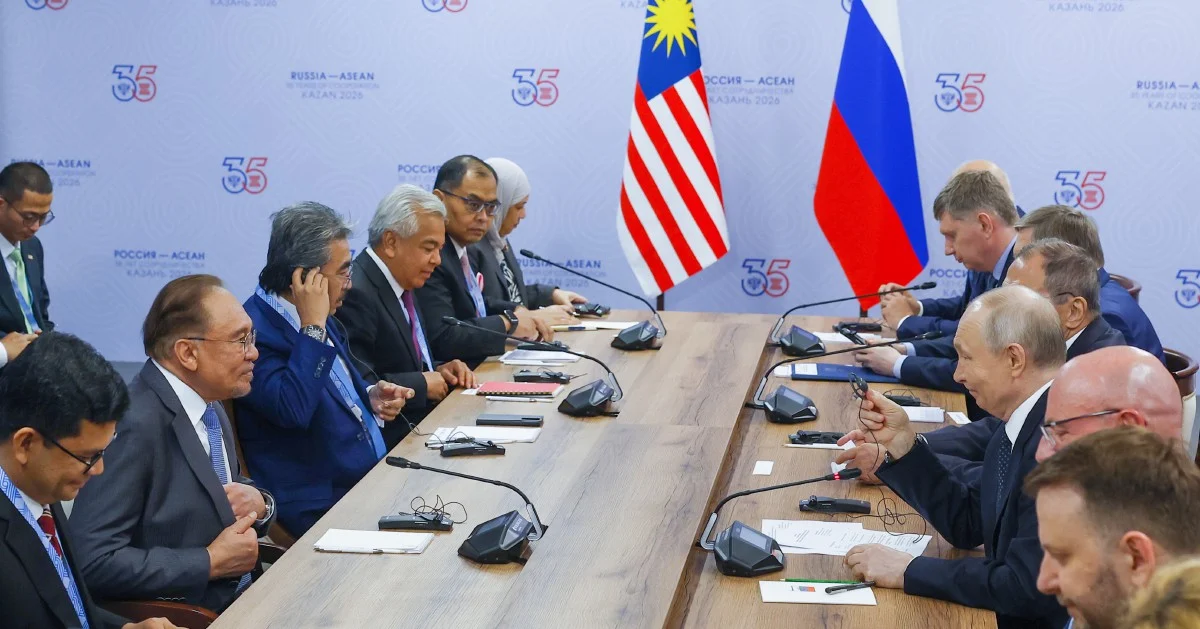
Prime Minister Datuk Seri Anwar Ibrahim has expressed his gratitude to Russian President Vladimir Putin for Moscow's commitment to deepening energy collaboration with Malaysia, particularly through the national oil and gas company Petroliam Nasional Bhd, known as Petronas. The acknowledgement came during high-level talks in Kazan, underlining the growing importance of energy partnerships in Malaysia's broader strategic engagement with Russia.
The timing of this diplomatic exchange reflects a significant shift in how Malaysia is approaching its energy security and geopolitical positioning in the current global landscape. As traditional energy markets face volatility and supply chain disruptions, Malaysian policymakers have increasingly looked beyond conventional Western partnerships to diversify their energy sources and technological expertise. Russia, despite international sanctions, remains a major player in global energy markets with substantial hydrocarbon reserves and advanced petroleum technologies that could be valuable to Petronas's operational capabilities.
Petronas, already one of Asia's most sophisticated energy corporations with operations spanning multiple continents, stands to benefit from expanded cooperation with Russian counterparts. The partnership could potentially unlock new investment opportunities in liquefied natural gas production, offshore drilling techniques, and petrochemical development. For Malaysia, which relies heavily on energy exports as a revenue stream and depends on stable energy supplies for domestic consumption, diversifying supplier relationships is both economically prudent and strategically necessary to hedge against supply disruptions.
The bilateral energy discussion highlights the complexities of Malaysia's foreign policy balancing act. As a non-aligned nation with deep economic ties to Western powers and regional partners through organisations like ASEAN, Malaysia has historically maintained pragmatic relationships with all major powers. This approach has allowed the country to benefit from multiple partnerships without becoming overly dependent on any single power, and the energy sector has been a particular arena where such strategic neutrality has yielded tangible economic benefits.
From Russia's perspective, strengthening energy ties with Southeast Asian nations like Malaysia serves multiple objectives. Beyond the obvious commercial interests, such partnerships help Moscow maintain economic relationships and geopolitical influence in the Indo-Pacific region at a time when Western sanctions have limited its traditional markets. Malaysia's position as a significant Southeast Asian economy with advanced energy infrastructure makes it an especially valuable partner for Russian energy companies seeking to maintain their regional footprint.
Petronas itself has a track record of managing complex international partnerships and operating in challenging geopolitical environments. The company has successfully navigated ventures in countries ranging from conflict zones to heavily sanctioned states, developing institutional expertise in risk management and regulatory compliance. An expanded relationship with Russian energy firms would not represent uncharted territory for the national champion, but rather another layer to its already sophisticated international operations.
The energy sector cooperation also carries implications for Malaysia's broader ASEAN positioning. As the regional bloc seeks to maintain unity while members individually pursue diverse foreign policy agendas, Malaysia's energy partnerships demonstrate how nations can engage multiple powers without undermining regional cohesion. This approach has become increasingly relevant as ASEAN members balance their relationships with the United States, China, Russia, Japan, and India, each bringing different economic incentives and strategic offerings.
For Malaysian consumers and businesses, the potential benefits of expanded Russia-Petronas cooperation could manifest in several ways. Improved efficiency and technology transfer in petrochemical production might eventually translate to more competitive pricing for downstream industries. Enhanced gas production capabilities could provide more reliable energy supplies for Malaysia's manufacturing sectors and power generation. Additionally, if the partnership extends to training and skills development, it could create employment opportunities for Malaysian specialists in the energy field.
The diplomatic courtesy expressed by Anwar towards Putin also signals Malaysia's intention to maintain functional relationships across ideological divides and geopolitical competition. Unlike some nations that have taken more confrontational stances towards Russia, Malaysia has sought to preserve working relationships while continuing its diverse partnerships. This middle-power diplomacy reflects both the country's historical non-aligned traditions and its contemporary recognition that energy security transcends traditional Cold War bloc divisions.
Looking forward, the success of this partnership will depend on translating diplomatic expressions of support into concrete commercial arrangements and technology sharing agreements. Both Petronas and Russian energy companies will need to navigate regulatory frameworks, ensure compliance with international standards, and manage the commercial risks inherent in large-scale energy infrastructure projects. The real test of this cooperation will come when specific projects move from discussion to implementation, involving substantial capital investments and long-term operational commitments.
The broader significance of Malaysia's energy diplomacy extends to how Southeast Asia positions itself within emerging geopolitical configurations. As nations in the region pursue strategies that acknowledge multiple power centers rather than choosing exclusive alignment, energy cooperation becomes both a practical tool and a symbolic gesture. Malaysia's cultivation of relationships across different spheres of influence, including deepened ties with Russian energy capabilities, demonstrates the region's determination to remain a zone of strategic autonomy despite pressures from major powers seeking to extend their influence and control over critical resources and trade routes.