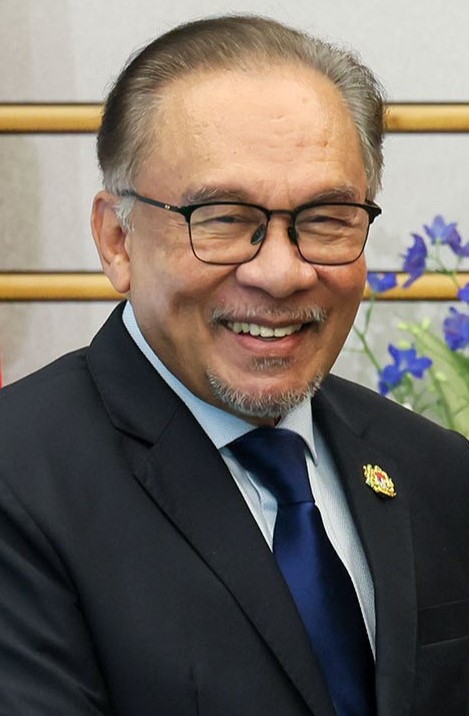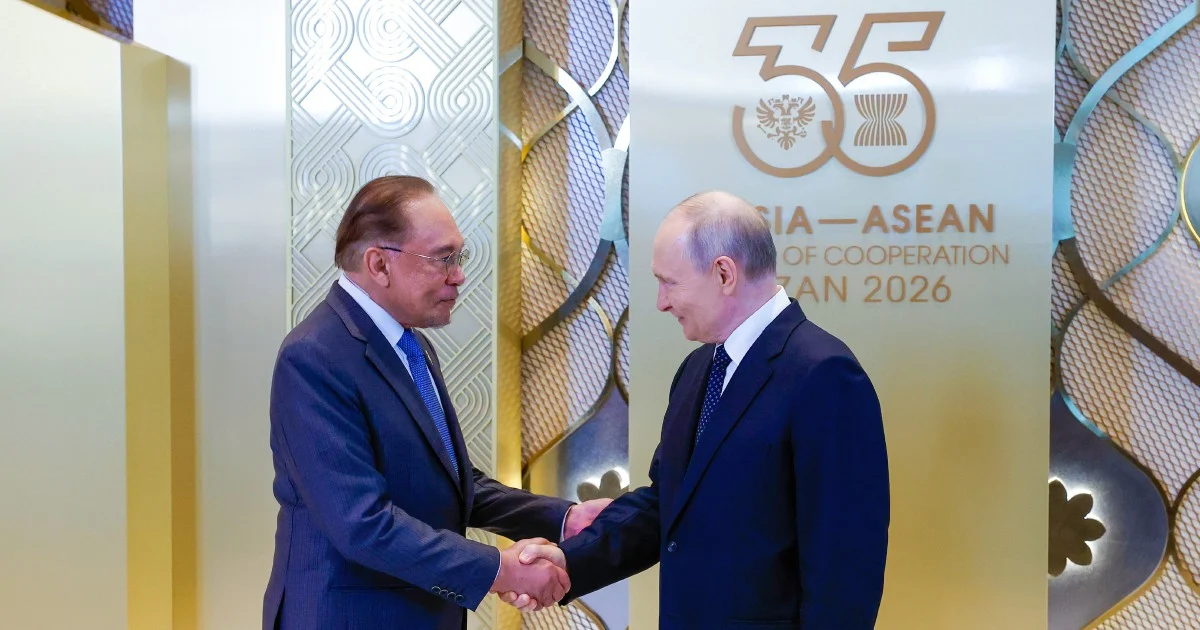
Prime Minister Datuk Seri Anwar Ibrahim and Russian President Vladimir Putin convened in Kazan to explore avenues for deepening Malaysia-Russia bilateral relations, with particular emphasis on securing energy supplies and facilitating trade through alternative payment mechanisms. The meeting underscored both nations' commitment to expanding their partnership beyond traditional frameworks and addressing shared economic priorities in a rapidly shifting geopolitical landscape.
Energy security emerged as a cornerstone of the bilateral dialogue, reflecting Malaysia's strategic interests in diversifying its energy procurement sources. As a nation heavily dependent on energy imports and deeply integrated into global supply chains, Malaysia has consistently sought to strengthen relationships with major energy producers. Russia's position as one of the world's largest energy exporters makes it a natural partner for Malaysia's long-term energy planning and security objectives. The discussions likely encompassed not only traditional hydrocarbon trade but also opportunities for cooperation in renewable energy development and technological transfer, areas where both countries can benefit from shared expertise and investment.
The emphasis on local currency transactions represents a significant shift in how Malaysia and Russia may conduct future economic relations. By moving away from reliance on the US dollar in bilateral trade, both nations can reduce foreign exchange exposure, lower transaction costs, and insulate their commerce from the volatility of international currency markets. This approach aligns with broader trends across Asia and the developing world, where countries increasingly seek to establish trading blocs that reduce dependence on Western financial systems. For Malaysia, which maintains substantial trade relationships across multiple regions, expanding local currency arrangements with Russia could serve as a template for similar agreements elsewhere.
The geopolitical context surrounding this meeting cannot be overlooked. International sanctions and economic isolation have prompted Russia to reorient its trade relationships toward Asia and the Global South. Malaysia, as a prominent Southeast Asian economy and a nation that has maintained relatively balanced diplomatic relations with both Western and Eastern powers, occupies an advantageous position in this new configuration. Strengthening ties with Moscow potentially enhances Malaysia's leverage in regional affairs while diversifying its strategic partnerships beyond traditional alliances.
For Malaysian energy consumers and businesses, closer cooperation with Russia could have tangible benefits. Enhanced access to Russian oil and gas supplies could help stabilize domestic energy prices and reduce vulnerability to supply shocks. Additionally, expanded trade using ringgit-ruble transactions could stimulate commercial activity, particularly for Malaysian exporters and importers who would benefit from reduced currency conversion costs and simplified payment procedures. This arrangement could particularly advantage small and medium-sized enterprises that find international transactions cumbersome.
The timing of this engagement reflects Malaysia's pragmatic foreign policy approach. Rather than adhering to rigid geopolitical alignments, Malaysia continues to cultivate relationships with major powers to maximize economic opportunities and security benefits. This strategy has historically served Malaysia well, allowing the country to punch above its weight diplomatically while maintaining freedom of manoeuvre in international affairs. The Anwar-Putin discussion exemplifies this balanced approach, demonstrating Malaysia's willingness to engage substantively with all corners of the world.
Bilateral trade between Malaysia and Russia has historically remained modest compared to Malaysia's commerce with other major trading partners, presenting significant untapped potential. The expansion agenda discussed in Kazan could catalyse growth in multiple sectors beyond energy, including technology, agriculture, and manufacturing. Russian interest in Southeast Asian markets and Malaysia's strategic location as a gateway to the region could create complementary opportunities for both nations' businesses and investors.
The discussion of energy security cooperation also touches on longer-term sustainability and transition considerations. As both nations navigate the global energy transition, collaboration on technological innovation and market intelligence becomes increasingly valuable. Malaysia's expertise in liquefied natural gas operations and infrastructure, combined with Russia's vast energy reserves and production capabilities, could form the basis for mutually beneficial partnerships that extend into emerging energy sectors.
Regionally, this bilateral engagement sends signals about Malaysia's commitment to maintaining productive relationships with all major powers. ASEAN's central position in regional diplomacy depends partly on member states' ability to engage effectively with external powers without becoming trapped in rigid blocs. Malaysia's dialogue with Russia reinforces ASEAN's strategic autonomy and demonstrates that the bloc's members can pursue their national interests through multiple channels simultaneously.
The currency arrangement aspect carries particular significance for Malaysia's financial policy framework. By facilitating trade in ringgits and rubles, both central banks can potentially support their respective currencies' internationalization efforts. This approach aligns with broader Malaysian aspirations to enhance the ringgit's role in regional finance and reduce transaction friction in intra-Asia trade. Such initiatives, if successful, could gradually shift Malaysia's trading patterns and financial relationships, with implications for the broader regional economic architecture.
Moving forward, the substance of these discussions will determine whether this represents merely ceremonial bilateral engagement or a genuine restructuring of Malaysia-Russia economic ties. Implementation of agreements on energy cooperation and currency arrangements will require coordinated effort from government agencies, central banks, and private sector participants. The success of these initiatives will offer valuable lessons for Malaysia's broader strategy of deepening economic engagement with non-traditional partners while maintaining its established relationships with Western economies and regional neighbours.