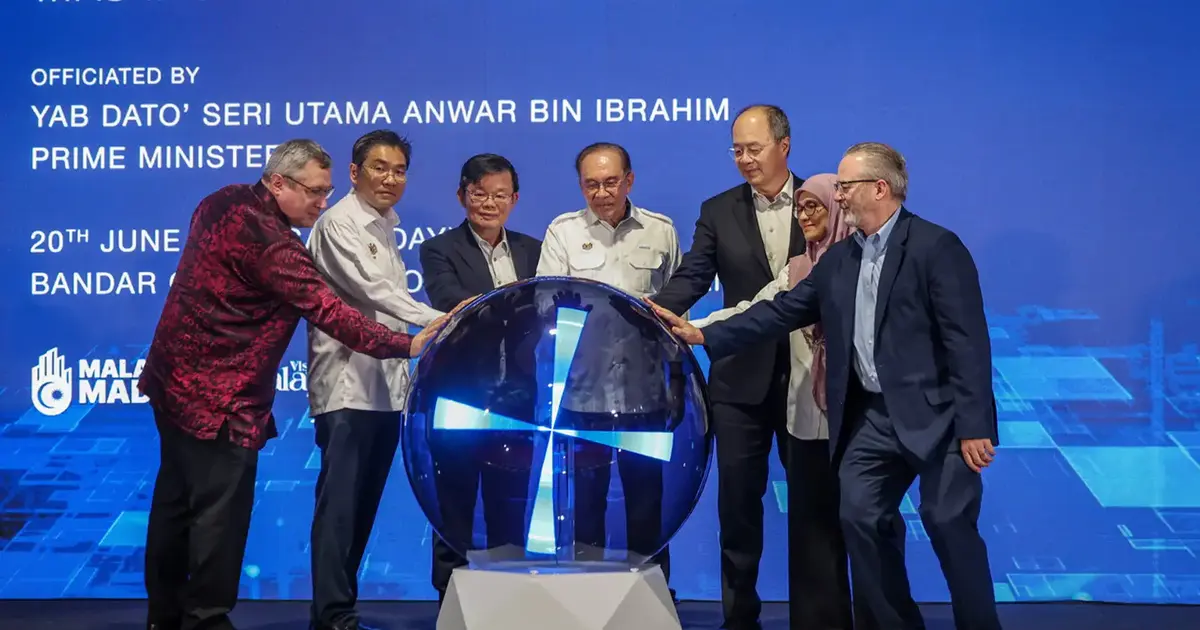
Prime Minister Anwar Ibrahim has moved to strengthen Malaysia's competitive position in the global semiconductor landscape by appointing a dedicated adviser charged with fostering deeper collaboration between the country's burgeoning chip manufacturing sector and its higher education institutions. The appointment reflects growing recognition that semiconductor development demands seamless knowledge transfer between industry practitioners and academic researchers—a gap that has long constrained Malaysia's ability to move beyond assembly and testing toward advanced chip design and fabrication capabilities.
The initiative arrives at a pivotal moment for Malaysian semiconductor ambitions. The country has positioned itself as a regional hub for chip assembly, testing, and related services, yet remains heavily dependent on foreign expertise and investment from multinational corporations. By institutionalising closer ties between universities and industry players, the government aims to cultivate homegrown talent pipelines and research capabilities that could eventually support indigenous semiconductor innovation and reduce reliance on imported technical know-how.
Anwar emphasised that the appointment will not create budgetary strain, a reassurance likely directed at parliament and fiscal watchdogs concerned about government expenditure. The adviser's role presumably leverages existing government structures and resources rather than requiring new departmental infrastructure or salary allocations. This efficiency-focused approach aligns with broader pressures on Malaysia's public finances following pandemic-related spending and mounting debt servicing obligations.
The semiconductor industry holds particular significance for Malaysia's economic transformation agenda. The sector already contributes substantially to manufacturing output and export revenues, employing tens of thousands of workers across Penang, Selangor, and other industrial regions. However, the industry faces mounting pressure from regional competitors—particularly Taiwan, South Korea, and increasingly Vietnam—that have invested heavily in research infrastructure and advanced manufacturing capabilities. Without deliberate intervention to upgrade local technological competence, Malaysia risks becoming a peripheral player in the higher-value segments of semiconductor production.
Universities represent underutilised assets in this context. Institutions like Universiti Malaya, Universiti Kebangsaan Malaysia, and Universiti Teknologi Malaysia have established engineering and materials science programmes capable of contributing meaningfully to semiconductor research. Yet formal mechanisms connecting academic research agendas with industry needs remain fragmented. An adviser positioned at the policy level could help coordinate funding mechanisms, encourage collaborative research initiatives, and ensure university curricula reflect evolving industry skill requirements.
This appointment also signals Malaysia's intention to participate more actively in semiconductor supply chain resilience discussions occurring globally. Following recent disruptions to chip supplies that exposed vulnerabilities in the international system, many nations have accelerated plans to strengthen domestic semiconductor capabilities. The United States, European Union, and India have all launched substantial subsidy programmes targeting chip manufacturing. By strengthening university-industry ties, Malaysia positions itself as a more capable and reliable supplier to multinational corporations seeking to diversify manufacturing locations away from Taiwan and other geopolitically sensitive regions.
The adviser's mandate likely encompasses several interconnected objectives. These would probably include facilitating research partnerships between academic institutions and semiconductor manufacturers, identifying skills gaps in Malaysia's workforce, and designing training programmes that prepare graduates for positions in advanced manufacturing environments. The role may also involve coordinating with government ministries responsible for education, industry, and science to ensure coherent policy frameworks supporting semiconductor ecosystem development.
For Malaysian universities, the appointment offers potential benefits beyond individual research grants. Closer industry engagement could enhance programme relevance, attract more students to engineering disciplines, and strengthen career prospects for graduates in a sector offering competitive compensation. International partnerships often emerge from industry-university collaborations, enabling Malaysian researchers to participate in global networks and attract visiting expertise that elevates research quality.
The semiconductor challenge nevertheless extends beyond institutional coordination. Malaysia must also address infrastructure limitations, including inadequate research funding compared to competitors and limited access to cutting-edge equipment needed for advanced chip research. An adviser cannot magically resolve these constraints, but could help prioritise resources more effectively and make compelling cases for increased investment to cabinet and parliament.
Regionally, Malaysia's semiconductor aspirations intersect with broader Southeast Asian development dynamics. Thailand, Indonesia, and the Philippines all harbour semiconductor ambitions, creating both competitive pressure and potential for regional cooperation. A more strategically engaged Malaysian semiconductor ecosystem could anchor regional supply chains and research networks, positioning the country as a technology leader within Southeast Asia rather than merely a manufacturing service provider.
The appointment also reflects Anwar's governing style, which emphasises targeted interventions addressing specific economic bottlenecks rather than broad-based stimulus. Since assuming office, the Prime Minister has appointed sector-specific advisers focused on various industries, viewing specialised expertise as essential for navigating complex economic challenges. The semiconductor adviser joins similar positions overseeing other strategic sectors.
Success will ultimately depend on the adviser's ability to convene stakeholders, facilitate resource allocation, and translate institutional proximity into tangible research outcomes and skilled workforce development. The semiconductor industry moves rapidly, with technological frontiers shifting constantly. Malaysia's window for establishing meaningful capabilities in advanced segments remains open but is gradually narrowing as other nations invest more aggressively. Anwar's appointment suggests the government recognises urgency while attempting to implement solutions economically—a pragmatic approach suited to Malaysia's current fiscal constraints and development needs.

