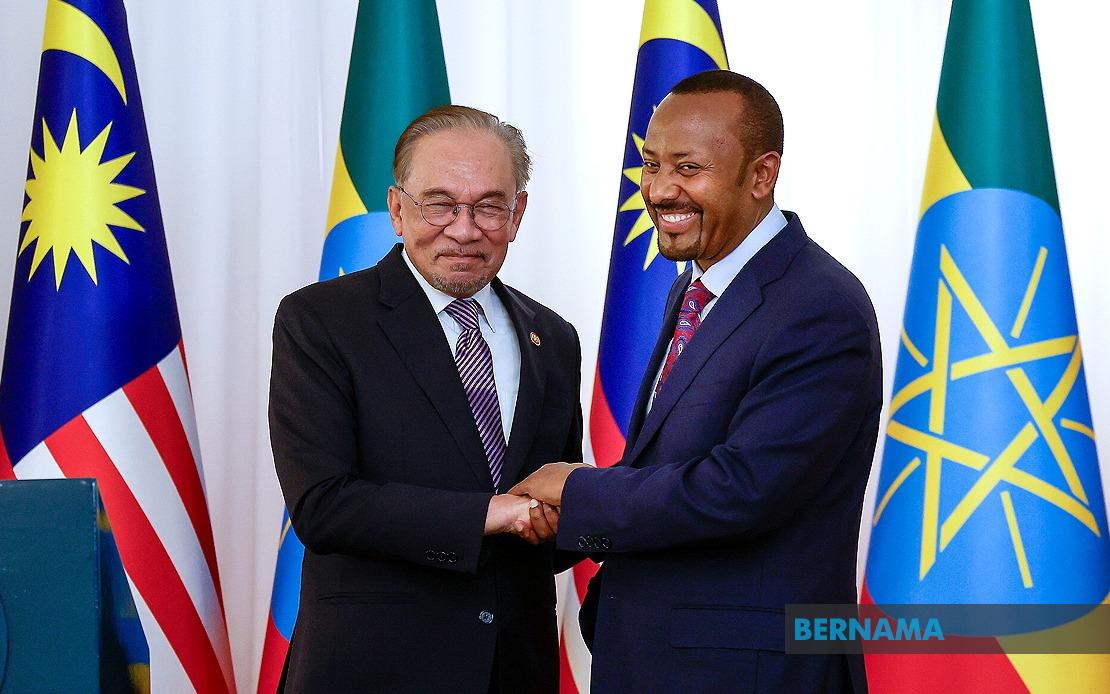
Prime Minister Datuk Seri Anwar Ibrahim has sent formal congratulations to Ethiopian Prime Minister Abiy Ahmed Ali and the Prosperity Party following their successful showing in the East African nation's general election held in June. The message of goodwill, conveyed through social media, reflects Malaysia's commitment to strengthening bilateral relations with key African partners and underscores the personal rapport established between the two leaders during high-level diplomatic engagement.
Anwar's acknowledgement of the election outcome carries particular significance given the strategic importance Malaysia has placed on deepening ties across the African continent. Ethiopia, as home to the African Union headquarters in Addis Ababa and a major regional power, represents a critical anchor for Malaysian diplomatic efforts aimed at expanding influence and cooperation within Africa. The prime minister's prompt and public recognition of the Prosperity Party's electoral success demonstrates Malaysia's interest in maintaining stable, high-level relations with Ethiopia's government regardless of electoral outcomes.
In his message, Anwar drew upon his historic visit to Addis Ababa the previous year, which he identified as the first official visit to Ethiopia by a sitting Malaysian prime minister. This inaugural journey carried symbolic weight, signalling Malaysia's recognition of Ethiopia's importance as an African leader and Malaysia's willingness to invest political capital in the relationship. The visit had culminated in substantive discussions between the two leaders on matters of mutual concern and shared strategic interests across regions.
The prime minister characterised his interactions with Abiy Ahmed as revealing a convergence of outlook on international affairs and global power dynamics. Both leaders, according to Anwar's recollection, perceive the contemporary world order in remarkably similar terms, particularly regarding the growing influence and potential of nations from the Global South. This alignment of perspectives on geopolitical questions suggests common ground on issues ranging from trade and development to regional stability and emerging economies' rightful place in international decision-making structures.
A central theme in Anwar's congratulatory message centred on the advantages that could accrue to developing nations through collaborative frameworks among Global South countries. This reflects Malaysia's broader strategic doctrine of fostering South-South cooperation as a counterbalance to traditional power structures dominated by Western nations. Ethiopia's continental stature as an African leader positions it as an invaluable partner in this endeavour, capable of facilitating Malaysia's engagement with other African nations and strengthening collective voices on matters affecting the developing world.
Anwar's characterisation of Ethiopia as an important partner specifically within Malaysia's African engagement strategy indicates a methodical approach to continental diplomacy. Rather than viewing Ethiopia in isolation, the government appears to regard it as a gateway and anchor point for broader African relations. This positioning allows Malaysia to leverage its relationship with Ethiopia to extend influence across the continent while building a network of strategic partnerships in one of the world's fastest-growing regions.
The prime minister's reference to initiatives launched during his previous year's visit suggests that substantive cooperation mechanisms were put into place. His expressed determination to advance these projects together with the re-elected Ethiopian leadership indicates continuity in Malaysia's diplomatic efforts toward Africa. These initiatives, while not detailed in his public statement, likely encompass areas such as trade promotion, educational exchanges, technical cooperation, and political coordination on international forums.
The timing of Anwar's congratulations, coming promptly after Ethiopia's electoral process, also carries diplomatic messaging. It signals Malaysia's recognition of the Prosperity Party's continued mandate and suggests that bilateral relations will remain a priority regardless of any domestic developments in either country. This forward-looking stance demonstrates diplomatic maturity and a long-term perspective on nation-to-nation relations.
For Malaysian stakeholders, the strengthening Malaysia-Ethiopia nexus opens potential avenues for business and cultural exchange. Malaysian companies eyeing African markets can leverage improving government-to-government ties to establish footholds in Ethiopia and potentially expand throughout the continent. Similarly, educational and cultural institutions may find enhanced opportunities for collaboration with Ethiopian counterparts. The enhanced diplomatic relationship may also facilitate greater participation by Malaysian representatives in African Union activities and forums.
The broader implications of Anwar's diplomatic overture extend to Malaysia's positioning within emerging-market coalitions and forums dedicated to Global South cooperation. Ethiopia's significance as an African leader and its seat at various international decision-making tables make it a valuable ally for Malaysia's efforts to amplify developing nations' voices on global issues. The alignment expressed by Anwar suggests that both nations may coordinate positions on matters ranging from climate change to trade disputes.
From a regional Southeast Asian perspective, Malaysia's deepening African ties represent a strategic diversification of partnerships and economic opportunities. As intra-regional competition for resources and influence intensifies, Malaysian leaders recognise the value of cultivating relationships across diverse regions. Ethiopia's strategic location, continental influence, and economic potential align with Malaysia's long-term vision of becoming a hub connecting Asian and African interests.
The congratulatory message also reflects Malaysia's commitment to supporting democratic processes and peaceful elections in other nations. By publicly acknowledging Ethiopia's electoral outcome, Anwar implicitly endorses the legitimacy of the electoral process and the Prosperity Party's mandate. This stance reinforces Malaysia's positioning as a nation that respects democratic principles and supports institutional development in other countries.
Moving forward, the trajectory of Malaysia-Ethiopia relations will likely deepen through expanded diplomatic, economic, and cultural channels. The personal relationship between Anwar and Abiy Ahmed appears to provide a strong foundation for advancing bilateral cooperation. Both leaders' apparent alignment on Global South issues and international affairs suggests ample scope for collaboration on multiple fronts, benefiting both nations and their respective regions.

