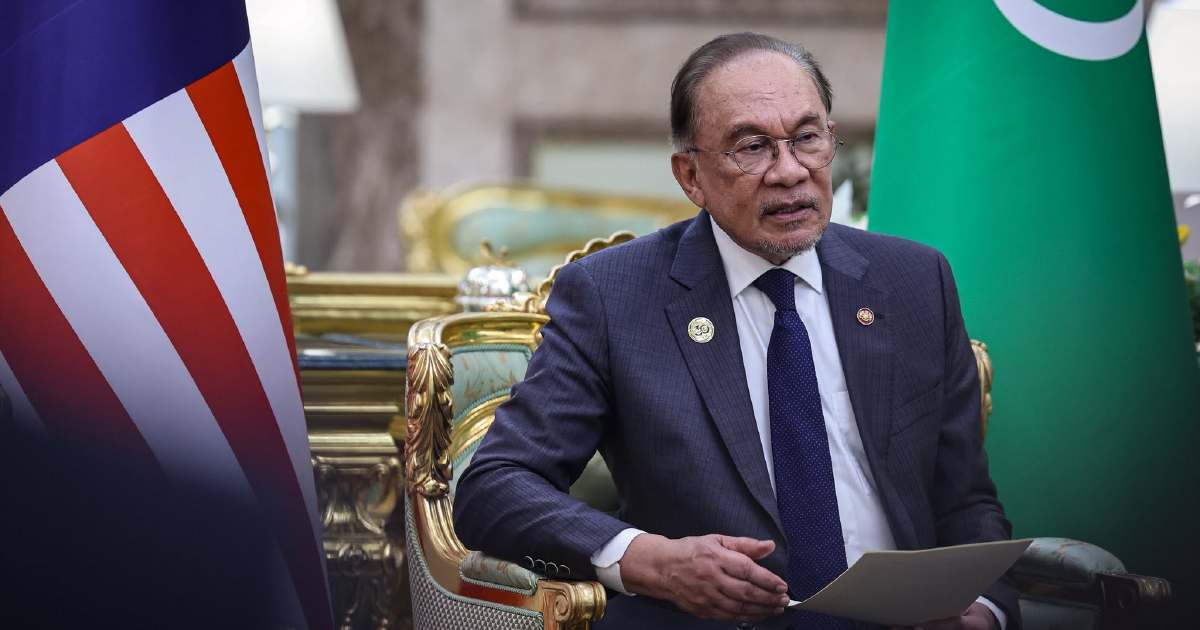
Prime Minister Anwar Ibrahim has lauded Petronas for securing a substantial gas field development agreement in Turkmenistan, marking a pivotal moment for Malaysia's national oil and gas corporation in Central Asia. The deal represents a strategic expansion of Petronas's portfolio beyond its traditional operational zones in Southeast Asia and the Middle East, diversifying the company's revenue streams and positioning Malaysia as a serious player in energy markets across the broader Asian continent. Anwar's endorsement underscores the government's commitment to leveraging Petronas's technical expertise and financial capacity to forge partnerships that strengthen Malaysia's economic and diplomatic standing globally.
The breakthrough comes at a time when energy security concerns have intensified across Asia in response to geopolitical tensions and shifting global supply chains. Turkmenistan possesses some of the world's largest natural gas reserves, and access to these resources through direct development partnerships offers Malaysian interests a long-term supply advantage. For Petronas, the agreement opens doors to participate in projects that could generate substantial revenues over decades, providing crucial foreign exchange earnings and bolstering the national budget. The arrangement also reflects growing recognition of Petronas's operational prowess in challenging environments, where the company has built considerable experience managing complex upstream projects in deepwater and frontier regions.
For Malaysia specifically, the Turkmenistan engagement carries broader implications beyond commercial returns. It signals the nation's intention to build deeper ties with Central Asian countries, an often-overlooked region in Malaysia's diplomatic outreach which has traditionally concentrated on Southeast Asia, the Middle East, and East Asia. Developing energy partnerships in Turkmenistan can facilitate Malaysian access to markets in Central Asia and the Caucasus, potentially unlocking trade and investment opportunities across multiple sectors. The relationship also strengthens Malaysia's profile as a reliable partner for large-scale infrastructure and resource projects, enhancing the country's reputation among nations seeking competent, well-capitalised collaborators.
Petrolas's role in this partnership highlights the corporation's evolution from a primarily domestic operator into an internationally competitive enterprise capable of competing for premium assets in competitive bidding environments. The company's acquisition of substantial stakes in high-value projects requires navigating complex regulatory landscapes, managing technical risks in unfamiliar geological formations, and building operational teams with specialised expertise. Success in Turkmenistan would demonstrate that Petronas can execute major international projects competently, strengthening its credentials for competing for similar opportunities elsewhere in Asia, Africa, and beyond.
The gas field agreement also intersects with Malaysia's broader energy transition strategy. While the development of new gas reserves might seem counter to global climate goals, natural gas remains essential during the transition to renewable energy sources. Many analysts view gas as a transitional fuel that allows economies to phase out more carbon-intensive coal while renewable technologies mature and scale. For developing nations like Malaysia, natural gas provides stable baseload power that renewables cannot yet reliably replace, making continued investment in gas infrastructure pragmatic despite long-term decarbonisation commitments. Revenue from gas exports also provides Malaysia with funds to invest in clean energy research and infrastructure upgrades.
Turkmenistan's perspective on this arrangement reflects its own strategic interests in attracting competent international partners for developing and monetising its hydrocarbon wealth. The country has historically relied on Russian and Chinese partnerships, and welcoming Malaysian participation diversifies its energy relationships while ensuring projects are executed to international standards. For Turkmenistan, working with Petronas brings technical innovation and access to international markets through Malaysia's established trading networks. The partnership also signals to other potential investors that Turkmenistan remains open to collaborations with capable partners from diverse nations.
The timing of this agreement warrants attention given current regional dynamics. Energy partnerships often outlast political administrations, creating durable foundations for bilateral relationships that weather diplomatic fluctuations. By establishing deep commercial ties in energy infrastructure, Malaysia and Turkmenistan commit to long-term cooperation that generates mutual economic benefits and creates incentives for political stability. Such partnerships can insulate relations from short-term disagreements, as both nations benefit from sustained project profitability and operational excellence.
For Malaysian consumers and industries, successful execution of international energy projects like the Turkmenistan deal can indirectly stabilise domestic energy prices and availability. When national oil companies generate substantial international revenues, governments can invest those returns into domestic energy infrastructure, research, and competitive pricing policies. While Petronas operates primarily as a commercial enterprise, its financial health directly influences the government's capacity to fund development programmes and manage energy costs for citizens and businesses reliant on affordable power and fuel.
The breakthrough also underscores Malaysia's potential to position itself as a hub for energy expertise and project management in Asia. By developing capabilities in Central Asian projects, Malaysian companies and professionals gain experience transferable to other regions and sectors. This expertise becomes an exportable service, allowing Malaysia to earn revenue not just from resource extraction but from providing technical consultation, engineering services, and management support to other nations developing their energy sectors. Over time, Malaysia could establish itself as a centre of excellence for energy project development across the continent.
Prime Minister Anwar's public praise for Petronas reflects governmental confidence in the company's strategic direction and operational capabilities. This endorsement sends positive signals to international investors and partners that Malaysia prioritises competent, professional management of state-owned enterprises and maintains high standards for project execution. Strong leadership backing strengthens Petronas's negotiating position in future partnerships and helps attract top talent to the organisation, essential for maintaining competitive advantage in demanding international markets.

