%22%2F%3E%3C%2Fpattern%3E%3C%2Fdefs%3E%3Crect%20width%3D%22100%25%22%20height%3D%22100%25%22%20fill%3D%22url(%23ph33dr4g)%22%2F%3E%3Crect%20width%3D%22100%25%22%20height%3D%22100%25%22%20fill%3D%22url(%23ph33dr4p)%22%2F%3E%3Ctext%20x%3D%2250%25%22%20y%3D%2250%25%22%20text-anchor%3D%22middle%22%20dominant-baseline%3D%22central%22%20fill%3D%22rgba(255%2C255%2C255%2C0.95)%22%20font-family%3D%22Georgia%2C%20'Times%20New%20Roman'%2C%20serif%22%20font-weight%3D%22700%22%20font-size%3D%22272%22%20letter-spacing%3D%22-0.02em%22%3EAnwar%3C%2Ftext%3E%3C%2Fsvg%3E)
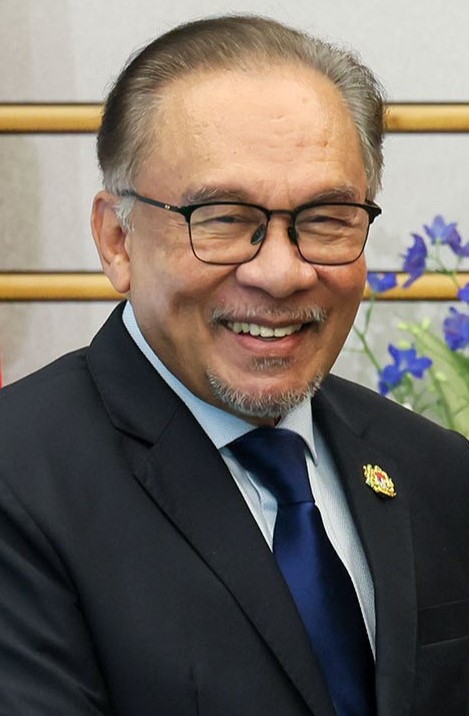
Prime Minister Anwar Ibrahim used an engagement with international media representatives in Kazan to articulate Malaysia's multifaceted approach to deepening ties between Asean and Russia, moving beyond conventional diplomatic rhetoric to encompass cultural exchange, energy cooperation, and humanitarian considerations. The discussions, held during the Malaysian leader's visit to the Russian city, reflected Kuala Lumpur's strategic positioning as a bridge between Southeast Asia's diverse interests and Russia's broader geopolitical objectives in the region.
Anwar's remarks underscored the importance of stable energy supplies for Asean nations, a concern that resonates particularly strongly across Southeast Asia given the region's mix of energy importers and exporters. Malaysia, as a significant hydrocarbon producer, understands intimately how energy security intersects with economic stability and regional prosperity. The Prime Minister's emphasis on this dimension suggests that Asean views its relationship with Russia not merely through the lens of diplomatic protocol but as a practical partnership addressing tangible economic needs facing member states.
The conversation extended to Russia's rich cultural heritage, particularly its literary traditions, signalling Anwar's belief that nation-to-nation relationships gain substance through people-to-people connections. This soft power dimension often receives insufficient attention in discussions of Asean-Russia ties, yet understanding and appreciating Russia's cultural contributions can foster goodwill that transcends transactional diplomacy. For Malaysia, which prides itself on multicultural values and cross-cultural understanding, this perspective aligns with broader national positioning.
Humanitarian concerns featured prominently in Anwar's media interactions, reflecting Malaysia's traditional emphasis on human rights and development issues within the Asean framework. The Prime Minister's willingness to address these matters during his Kazan visit indicates that Malaysia does not compartmentalise diplomatic engagement, separating economic and strategic discussions from broader human welfare considerations. This approach distinguishes Malaysia's diplomatic style within Asean, often positioning the country as a voice for inclusive and comprehensive dialogue.
The timing and location of these discussions carry geopolitical significance for Southeast Asia. Kazan's position as a major Russian city outside Moscow underscores Russia's interest in demonstrating its reach and relevance across its vast territory. For Asean leaders, visiting such venues provides opportunities to understand Russia's domestic priorities and regional aspirations beyond the capital city's perspectives. Anwar's engagement with international media in this setting suggests Malaysia views direct communication with global audiences as essential to shaping narratives around Asean-Russia relations.
Asean's approach to Russia remains calibrated carefully within the organisation's stated commitment to strategic autonomy. While maintaining ties with major powers including Russia, Asean seeks to avoid excessive dependence on any single nation or bloc. Malaysia's role in these discussions reflects its historical advocacy for non-alignment and equidistant engagement with competing powers. The emphasis on cooperation in energy, culture, and humanitarian spheres offers pathways for deepening relations without the strategic entanglement that some Asean members worry could accompany closer military or political alignment.
The energy security dimension carries particular weight in contemporary Southeast Asian geopolitics. With growing concerns about supply chain vulnerabilities and price volatility, reliable energy partnerships become increasingly valuable. Russia possesses substantial energy resources and established expertise in energy infrastructure, making it a potentially valuable partner for Asean nations seeking to diversify their sources and reduce dependence on Middle Eastern suppliers. Anwar's elevation of this issue signals that Malaysia views energy cooperation as foundational to regional stability.
Russia's engagement with Asean has expanded notably in recent years, driven by its own strategic reorientation toward Asia-Pacific regions. For Russia, strengthening ties with Asean offers economic opportunities, diplomatic influence, and alternatives to Western-dominated international institutions. From Asean's perspective, a more engaged Russia presents both opportunities and complexities. The bloc must balance economic benefits and diplomatic dialogue with concerns about Russian activities in other regions and its approach to international law.
Anwar's media engagement model itself represents noteworthy diplomacy. By directly addressing international journalists rather than relying solely on official statements or press releases, the Prime Minister sought to communicate Malaysia's and Asean's perspectives to global audiences. This approach recognises that contemporary diplomacy extends beyond government-to-government channels to encompass broader international discourse. Malaysian leadership increasingly understands that shaping external perceptions of Asean's intentions and interests requires proactive engagement with international media platforms.
The cultural dimension Anwar highlighted deserves closer examination within the context of Asean-Russia relations. Russian literature, from Tolstoy to contemporary authors, has profoundly influenced global intellectual traditions. Building appreciation for Russian cultural contributions among Southeast Asian audiences can generate soft power benefits for Moscow while enriching regional cultural discourse. For Malaysia, positioning itself as a cultural interlocutor between Asia and other regions aligns with long-standing diplomatic traditions emphasising dialogue and mutual understanding.
Looking forward, the conversations in Kazan suggest that Asean-Russia relations will likely develop across multiple dimensions simultaneously. Energy cooperation may deepen, cultural exchanges may expand, and humanitarian dialogue may intensify. However, the trajectory of these relationships will remain constrained by broader geopolitical realities, including Asean's relationships with Western powers and the community's internal dynamics. Malaysia's role in this evolving equation reflects its position as a relatively large Asean economy with sophisticated diplomatic capabilities and a tradition of bridge-building among different international actors.