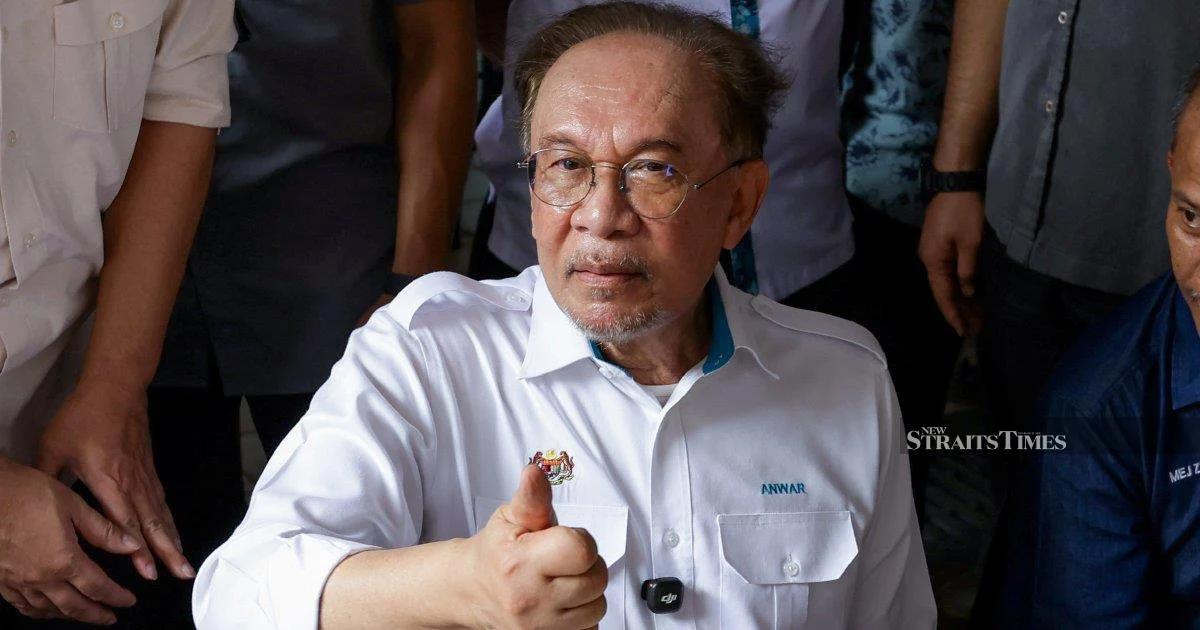
Prime Minister Datuk Seri Anwar Ibrahim has consolidated his position as Malaysia's most widely backed political figure, securing the strongest approval rating in a fresh Merdeka Centre public opinion survey released this month. The independent polling organisation's findings offer a fresh snapshot of how Malaysians view their top political leaders, with the premier's standing notably outpacing that of rivals across the political spectrum.
Merdeka Centre, recognised as one of the country's most respected independent survey institutions, has tracked public opinion on political leadership across multiple cycles. Such measurements provide valuable indicators of voter sentiment and can influence political strategising at the highest levels. The timing of this particular survey comes amid an eventful period in Malaysian politics, marked by ongoing policy debates, cabinet reshuffles, and competing narratives from various political camps.
Anwar Ibrahim's prominence in the poll reflects several converging factors. Since assuming office, the Prime Minister has pursued a relatively high-profile public engagement strategy, appearing regularly at official functions and delivering major policy announcements. His administration has also benefited from a certain honeymoon period typical of newly elected governments, though this effect can be transient depending on policy outcomes and economic conditions.
The survey's results underscore the challenges facing opposition and alternative political figures, particularly those within the framework of incumbent and competing coalitions. Datuk Seri Zahid Hamidi's placement at the lower end of the ranking suggests that his political standing has faced headwinds, whether from shifting voter preferences, internal party dynamics, or broader perceptions about his current role and relevance in national politics.
For Malaysian voters and observers, such polling data serves multiple purposes beyond simple curiosity about popularity rankings. The survey provides empirical ground for assessing public confidence in political leadership across parties and factions. In a multiparty democracy where coalition formation and political negotiations frequently determine government composition, understanding relative popularity can inform calculations about electoral viability and bargaining power in future political arrangements.
The Merdeka Centre's reputation for methodological rigor means its findings typically command attention from political analysts, media commentators, and party strategists alike. The organisation has maintained consistent sampling and analytical approaches over years, making trend analysis possible. This particular release therefore contributes to a growing body of comparative data about Malaysian political sentiment across successive survey periods.
For Anwar Ibrahim specifically, the polling lead carries implications for his government's ability to pursue its policy agenda with public backing. Strong approval ratings can translate into political capital—the capacity to implement potentially unpopular reforms or weather controversies without immediate electoral backlash. However, such surveys capture snapshots in time; sustained policy challenges, economic difficulties, or political missteps can shift public sentiment relatively quickly, as demonstrated repeatedly in Malaysian political history.
The lower standing of Zahid Hamidi, who holds significant positions within the ruling coalition, raises questions about internal party dynamics and the distribution of political influence. His position reflects broader patterns in Malaysian politics where seniority and formal office do not automatically translate into public popularity or political influence. This dynamic has implications for party leadership contests, coalition negotiations, and the strategic direction of his faction within the broader political structure.
Regional observers monitoring Malaysian politics will note that public opinion surveys like this one contribute to the country's democratic culture by providing transparent, independent measurements of political standing. Southeast Asia's political landscape increasingly features competitive democracies where governments remain accountable to voter preferences, however imperfectly. Malaysia's continued reliance on professional polling organisations reflects this maturation, even as debates continue about the influence of money politics and institutional constraints on genuine democratic competition.
The Merdeka Centre survey also arrives amid Malaysia's broader economic and social circumstances. Public opinion typically reflects not merely perceptions of individual leaders but also assessments of government performance on bread-and-butter issues: cost of living, employment, education, and healthcare. Anwar Ibrahim's approval lead should therefore be contextualised within these material conditions and whether voters perceive the government as effectively addressing their concerns.
Looking forward, the question becomes whether Anwar Ibrahim can sustain this polling advantage through the governing period, or whether the rankings will shift as policy outcomes become clearer and the electorate's patience faces real-world tests. Similarly, Zahid Hamidi and other leaders lower in the rankings will be watching for opportunities to rebuild their political fortunes, whether through repositioning within their parties, demonstrating policy successes, or capitalising on potential missteps by the government.
The survey ultimately underscores that Malaysian political leadership remains contested terrain where public opinion matters. While approval ratings alone do not determine electoral outcomes—institutional factors, coalition mathematics, and vote distributions across constituencies all play critical roles—they do reflect the underlying sentiment that political parties and leaders must navigate. In this context, Anwar Ibrahim's position at the top of the Merdeka Centre's rankings represents a significant advantage, but one that remains conditional on continued governmental performance and evolving public sentiment.

