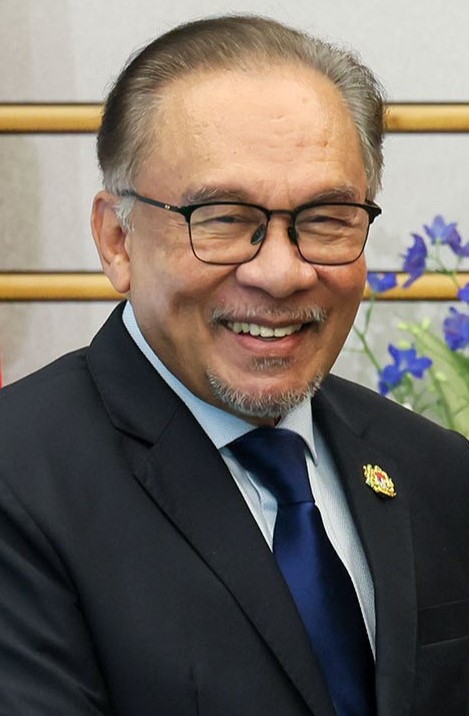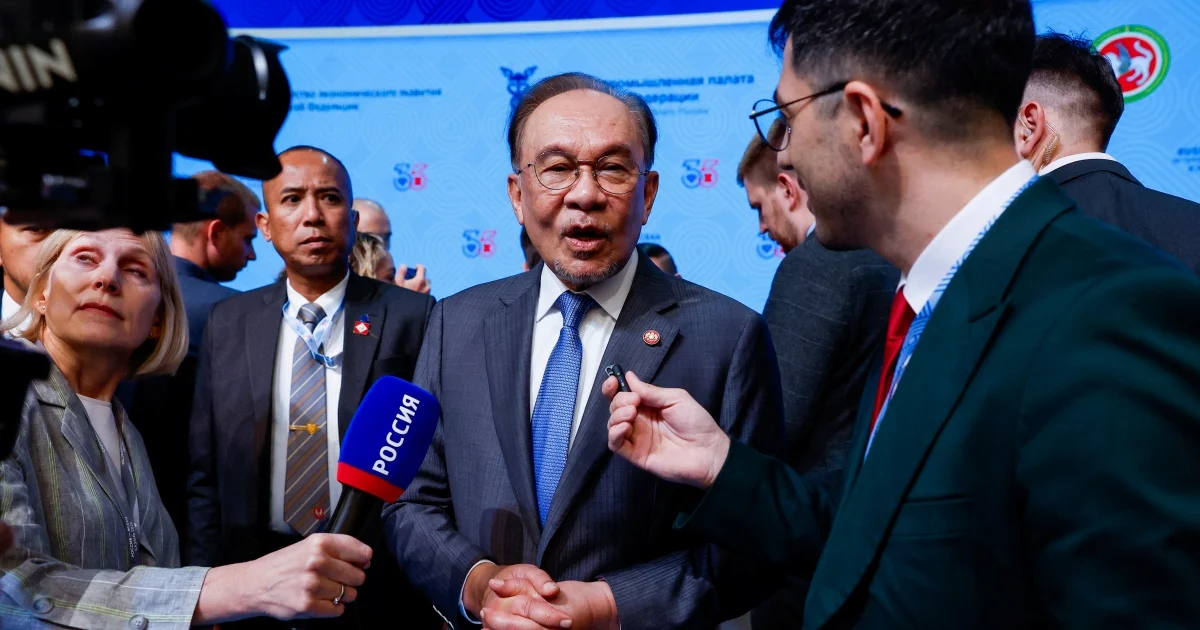
Prime Minister Datuk Seri Anwar Ibrahim has articulated a personal connection to Russian cultural heritage, revealing his fondness for the nation's musical and literary traditions while visiting Kazan. His remarks underscore a philosophy that bilateral relationships extend far beyond transactional economic arrangements, encompassing the deeper human connections that art and literature forge between peoples.
During his time in Kazan, Anwar emphasised that cultural exchanges serve as a fundamental pillar in constructing and maintaining robust international partnerships. This perspective challenges the conventional diplomatic narrative that privileges trade agreements and investment flows as the primary vehicles for strengthening ties. By elevating Russian music and literature to the same plane as commercial cooperation, the Prime Minister has signalled Malaysia's commitment to a more multidimensional approach to foreign engagement.
Anwar's appreciation for Russian cultural productions reflects a broader regional understanding that Southeast Asian nations, including Malaysia, benefit from diverse cultural dialogues. The Russian literary tradition, with its philosophical depth and historical significance, has influenced educated classes across Asia and continues to resonate with contemporary readers. Similarly, Russian classical and contemporary music remains culturally resonant across multiple demographics, appealing to musicians, academics, and general audiences alike.
The Prime Minister's comments acquire particular significance in the context of Malaysia-Russia relations. Historically, Malaysia has maintained pragmatic diplomatic ties with Russia, but cultural initiatives have often taken a secondary role to bilateral discussions centred on energy cooperation, defence procurement, and regional stability. By foregrounding cultural exchanges, Anwar is advocating for a more integrated framework where soft power complements hard power diplomatic tools.
For Malaysian policymakers and cultural institutions, Anwar's remarks suggest potential avenues for expanded programming. Russian literature could feature more prominently in Malaysian university curricula, while orchestral and chamber music partnerships might be explored through bilateral cultural agreements. These initiatives would position Malaysia as a nation engaged in intellectual and artistic exchange rather than merely resource-based relationships.
The Kazan visit itself carries symbolic weight. As the capital of Tatarstan, Kazan represents Russia's multicultural dimensions, bridging European and Asian traditions. The city's emphasis on preserving cultural heritage whilst embracing modernity aligns with Malaysia's own national narrative of balancing modernisation with the maintenance of indigenous traditions. Anwar's presence in this cosmopolitan setting reinforces the possibility of deeper people-to-people connections between Malaysians and Russians.
From a Southeast Asian perspective, Anwar's emphasis on cultural diplomacy models an approach that other regional leaders might adopt. As ASEAN nations navigate relationships with major powers, the integration of cultural exchange into diplomatic frameworks offers a path toward engagement that respects sovereignty whilst building durable connections. This strategy proves particularly valuable in an era of geopolitical competition, where cultural affinity can serve as a stabilising force.
The appreciation Anwar expressed for Russian artistic traditions also speaks to the Malaysian intelligentsia's cosmopolitan orientation. Writers, artists, and academics within Malaysia have long drawn inspiration from Russian cultural contributions. By validating this intellectual inheritance at the highest levels of government, Anwar legitimises the value of cross-civilisational learning and enrichment.
Russian literature, encompassing giants like Tolstoy, Dostoevsky, and Pushkin, continues to influence global thought. For Malaysian readers and scholars, engagement with these texts provides pathways to understanding complex philosophical questions about morality, society, and human nature. Government support for translation initiatives, literary festivals, and academic exchanges would democratise access to these cultural treasures whilst strengthening Malaysia-Russia ties.
Music represents another avenue of significant potential. Russian composers from Tchaikovsky to contemporary artists have contributed profoundly to global musical discourse. Malaysian orchestras and conservatories could benefit from collaborative performances, exchange programmes, and joint recording projects that would expose Malaysian audiences to Russian musical heritage whilst providing Russian audiences with exposure to Malaysian compositional traditions.
Anwar's comments also reflect an understanding that national development encompasses cultural nourishment alongside economic growth. In contemporary global discourse, nations increasingly recognise that soft power—the ability to attract through cultural appeal—constitutes an essential component of national influence. By demonstrating Malaysia's openness to Russian cultural production, Anwar implicitly invites reciprocal interest in Malaysian culture, creating pathways for mutual enrichment.
Moving forward, the Prime Minister's remarks warrant translation into concrete initiatives. Formal cultural agreements between Malaysia and Russia could establish frameworks for scholarly exchanges, artist residencies, and exhibition partnerships. Such mechanisms would operationalise Anwar's vision whilst creating tangible benefits for Malaysian cultural practitioners seeking international exposure and collaboration.
Ultimately, Anwar's observations about Russian music and literature represent a sophisticated approach to statecraft that recognises civilisations as repositories of human wisdom and beauty. By valuing these cultural dimensions alongside conventional diplomatic concerns, he positions Malaysia as a nation that engages with the world not merely as an economic competitor but as a participant in the broader human conversation conducted through art, music, and literature across borders and generations.