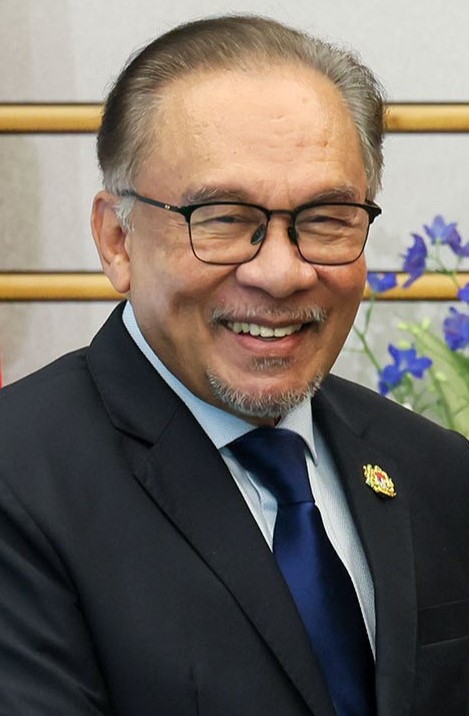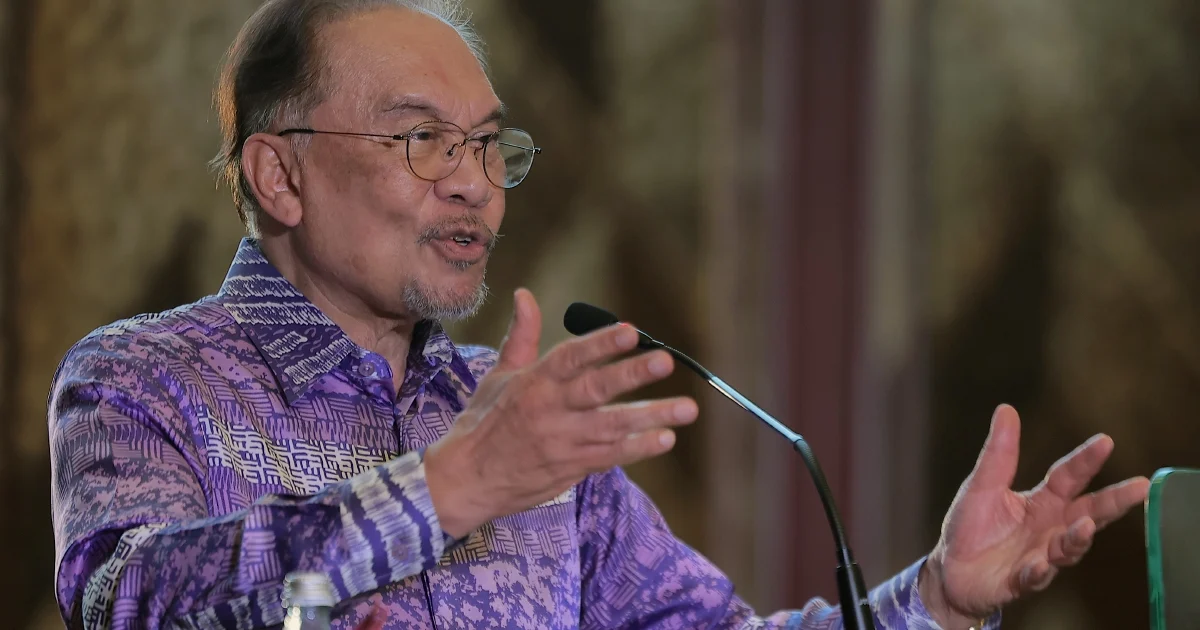
Prime Minister Datuk Seri Anwar Ibrahim is set to undertake a significant diplomatic mission to Kazan, arriving June 17 for a two-day working visit that underscores Malaysia's intent to fortify its relationship with Russia at a moment when regional powers are recalibrating their international partnerships. The visit represents a carefully calibrated effort to engage Moscow across multiple channels, with scheduled discussions between the Prime Minister and Rustam Minnikhanov, the President of the Republic of Tatarstan, forming the centrepiece of this engagement.
The Kazan itinerary reflects the strategic value Malaysia places on cultivating ties with Russia's regions beyond Moscow's federal apparatus. Tatarstan, as one of the Russian Federation's most economically developed and politically influential republics, has emerged as a crucial gateway for Southeast Asian nations seeking to expand commercial, cultural, and diplomatic connections with Russia. By choosing to conduct high-level talks in Kazan rather than the Russian capital, Malaysia signals recognition of Tatarstan's autonomous significance and its role as a potential partner in areas ranging from technology and education to trade diversification.
This bilateral engagement arrives amid a broader reassessment of Asean-Russia relations, a dynamic that has acquired new dimensions following geopolitical realignments in recent years. Malaysian officials view the visit as an opportunity to position Asean as a coherent diplomatic actor capable of maintaining constructive engagement with Russia while preserving the bloc's traditional policy of non-alignment. The timing proves particularly relevant, as Asean nations navigate complex international pressures and seek to preserve their strategic autonomy through diversified partnerships.
The scheduled discussions between Anwar and Minnikhanov are expected to encompass a range of bilateral concerns affecting Malaysian interests. Trade relations, investment flows, and economic cooperation frameworks will likely feature prominently, as both nations explore mechanisms to enhance commercial linkages. Beyond economic dimensions, educational exchanges, scientific collaboration, and cultural initiatives form part of the broader architecture through which Malaysia seeks to deepen understanding and build people-to-people connections with Russian society.
From Malaysia's perspective, strengthened Russia relations carry particular relevance for regional stability architecture. As a significant power with substantial influence across Asia, Russia's engagement patterns affect the broader strategic environment within which Southeast Asian nations operate. By maintaining open diplomatic channels and fostering constructive dialogue, Malaysia aims to encourage Russian support for Asean principles such as the centrality of the Association in regional affairs and respect for international law in disputes affecting the region.
The Kazan visit also carries implications for Malaysia's domestic political calculations. Demonstrating active engagement with major powers reinforces the government's narrative of pursuing a balanced foreign policy capable of advancing national interests across multiple domains. For the Prime Minister specifically, such high-profile diplomatic engagements contribute to establishing his administration's credentials as a capable steward of Malaysia's international relationships and strategic positioning.
The mission reflects evolving patterns in Southeast Asian diplomacy whereby individual nations increasingly conduct parallel engagement tracks rather than relying solely on bloc-level interactions. While Asean maintains collective mechanisms for engaging external partners, member states pursue supplementary bilateral channels to address specific national interests and concerns. Malaysia's approach exemplifies this dual-track strategy, balancing its Asean responsibilities with its own strategic imperatives regarding Russia relations.
For business communities and economic stakeholders in Malaysia, the Prime Minister's visit carries potential significance in terms of opening new avenues for collaboration. Russian entities, particularly those based in developed regions like Tatarstan, represent potential partners for Malaysian companies seeking to expand operations into Eurasian markets. Conversely, Russian interest in Southeast Asian markets and resources could benefit from direct governmental endorsement and facilitation through mechanisms that high-level visits help establish.
The visit also carries symbolic weight in Malaysia's broader positioning within the Global South. At a time when developing nations navigate pressures to align with great-power blocs, Malaysia's independent pursuit of relationships across different partners reinforces its commitment to strategic autonomy. This stance holds particular resonance domestically, where diverse constituencies value Malaysia's ability to engage multiple powers without compromising national independence or democratic values.
Looking ahead, the outcomes of the Kazan discussions will likely shape the trajectory of Malaysia-Russia relations over the coming period. Concrete deliverables such as signed agreements, enhanced cooperation frameworks, or commitments to expanded exchanges would demonstrate tangible benefits accruing from diplomatic engagement. Even without headline-grabbing announcements, the visit serves the essential diplomatic function of maintaining open channels and signalling mutual respect between nations navigating an increasingly multipolar international system.
The Prime Minister's visit ultimately reflects Malaysia's pragmatic approach to international relations—one that seeks to advance national interests through selective engagement while maintaining broader commitments to regional stability and non-alignment principles. As Anwar undertakes discussions in Kazan, Malaysian policymakers are clearly communicating that their nation intends to remain an active participant in shaping regional and international affairs through sustained diplomatic engagement across its diverse network of partners.