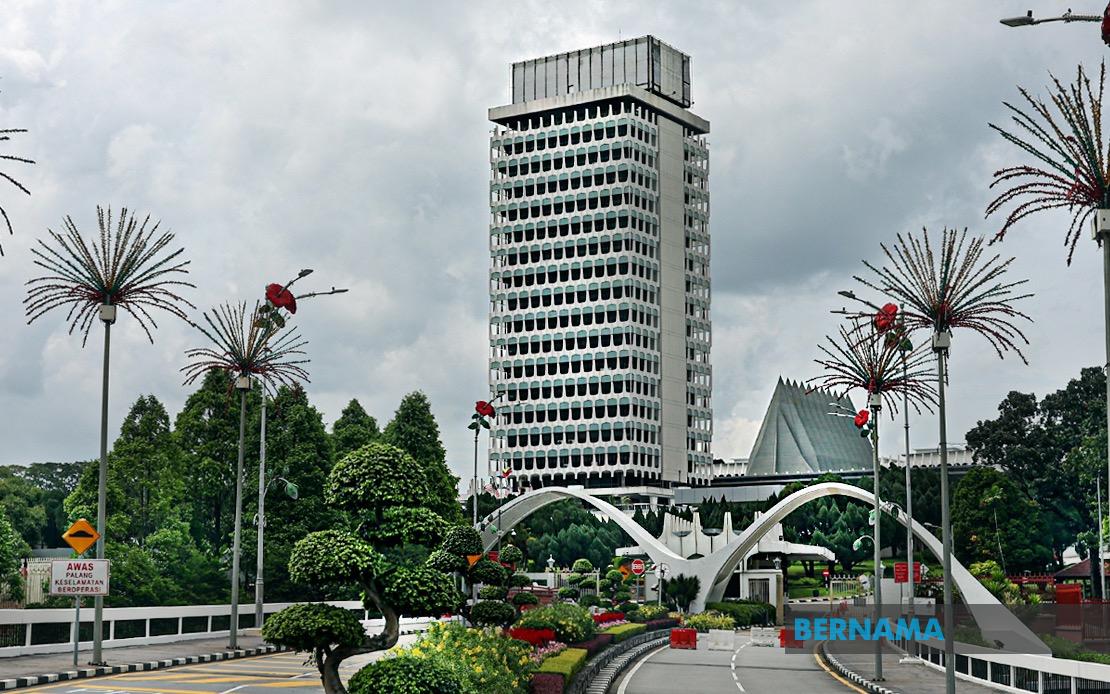
Prime Minister Datuk Seri Anwar Ibrahim has called for a special sitting of Parliament to thoroughly examine the Royal Commission of Inquiry report into Lembaga Tabung Haji, signalling the government's commitment to public accountability on one of Malaysia's most scrutinised public institutions. Speaking in Seremban following a gathering with more than 2,000 Form Six and polytechnic students, Anwar indicated that while Cabinet has approved the special session, the specific date remains contingent on approval from Dewan Rakyat Speaker Tan Sri Dr Johari Abdul.
The Prime Minister stressed the importance of holding the sitting expeditiously to allow Members of Parliament adequate time to thoroughly review the comprehensive report, seek additional clarifications from relevant parties, and engage in full-day parliamentary debate on the findings. This approach reflects an effort to elevate the matter beyond routine legislative business and position it as a matter warranting focused legislative attention and extensive deliberation across the political spectrum.
The Cabinet's decision to pursue this transparent investigation represents a significant expansion of the inquiry's scope beyond the narrow parameters of previous examinations. Rather than limiting scrutiny to issues identified during the 2014 and 2017 investigations, the government has explicitly mandated examination of developments occurring in 2018, 2019, and 2020, alongside assessment of recovery and remedial measures implemented in subsequent years. This broader timeframe suggests recognition that the challenges facing the pilgrim-focused financial institution extended well beyond the initial periods of concern and that comprehensive understanding requires examining the institution's trajectory across a longer continuum.
The decision to convene Parliament specifically to debate the RCI findings carries considerable symbolic weight within Malaysia's democratic framework. By elevating the matter to a special sitting rather than routine parliamentary business, the government underscores its recognition that Tabung Haji governance issues warrant the concentrated attention of the entire legislature rather than standard committee or adjournment debate mechanisms. This procedural choice may also reflect awareness that the institution's travails have generated significant public anxiety among the Muslim community, particularly among the substantial numbers who have entrusted substantial savings to the entity in preparation for Hajj pilgrimage.
For Malaysian readers and particularly for Tabung Haji account holders, the significance of this development extends beyond mere procedural formality. Tabung Haji functions not merely as a conventional savings institution but as a culturally and religiously resonant institution that holds the accumulated wealth of hundreds of thousands of Malaysians committed to undertaking one of Islam's five pillars. Any governance failures or financial irregularities carry implications that transcend conventional corporate accountability concerns, touching directly upon the financial security and spiritual aspirations of a substantial cross-section of the Malaysian population.
The expanded investigative scope announced by Anwar indicates that the government has recognised the inadequacy of previous inquiries to fully illuminate the institution's difficulties. By extending the examination to encompass developments across 2018-2020 and subsequent recovery efforts, the inquiry implicitly acknowledges that the troubles afflicting Tabung Haji did not represent isolated incidents confined to specific years but rather reflected systemic patterns that persisted and evolved across multiple administrations. This approach suggests a determination to move beyond blame assignment for particular incidents toward comprehensive understanding of institutional vulnerabilities and systemic weaknesses that enabled problems to emerge and persist.
From a regional perspective, Malaysia's willingness to subject a major Islamic financial institution to transparent, public parliamentary scrutiny carries implications for governance standards within the broader Southeast Asian Islamic finance ecosystem. The region has developed considerable capacity in Islamic banking and Shariah-compliant financial services, yet institutional governance failures at prominent entities can undermine confidence in the wider sector. By committing to rigorous public examination of Tabung Haji's challenges, the Malaysian government signals commitment to standards that may influence expectations and practices across comparable institutions throughout the region.
The parliamentary debate format also creates space for examination of issues that may extend beyond narrow financial mismanagement to encompass broader governance questions around institutional independence, Board accountability, management competence, and regulatory oversight mechanisms. Such questions prove particularly pertinent when examining institutions holding public trust and managing resources accumulated specifically for religious purposes. The full-day debate structure proposed by Anwar should permit comprehensive exploration of these multifaceted dimensions rather than limiting discussion to isolated transactional irregularities.
For opposition parties and backbench parliamentarians, the special sitting creates an opportunity to subject the government's handling of the matter to detailed public scrutiny, raise constituent concerns regarding account security and recovery timelines, and propose reforms to institutional governance structures. The extended debate period should permit examination not merely of what went wrong but of what remedial measures the government proposes implementing to prevent recurrence and restore stakeholder confidence in the institution.
The timing and mechanics of parliamentary approval for the special sitting will themselves warrant observation. Speaker Johari's decision-making process and any conditions he may attach to approval could carry implications for parliamentary procedure and the government's legislative agenda more broadly. Additionally, the government's determination of the specific content and scope of parliamentary discussion may influence how comprehensively issues receive airing and whether the debate encompasses broader questions of institutional reform or focuses narrowly on factual findings contained within the RCI report itself.
Ultimately, the government's commitment to parliamentary examination of the RCI findings represents a critical juncture in addressing public concerns regarding Tabung Haji governance. The breadth of parliamentary participation, quality of debate, and government responsiveness to questions raised will substantially influence whether the exercise succeeds in restoring public confidence or merely creates perception of procedural compliance without substantive accountability. For hundreds of thousands of account holders whose life savings remain entrusted to the institution, the parliamentary proceedings will carry consequences extending far beyond the legislative chamber.

