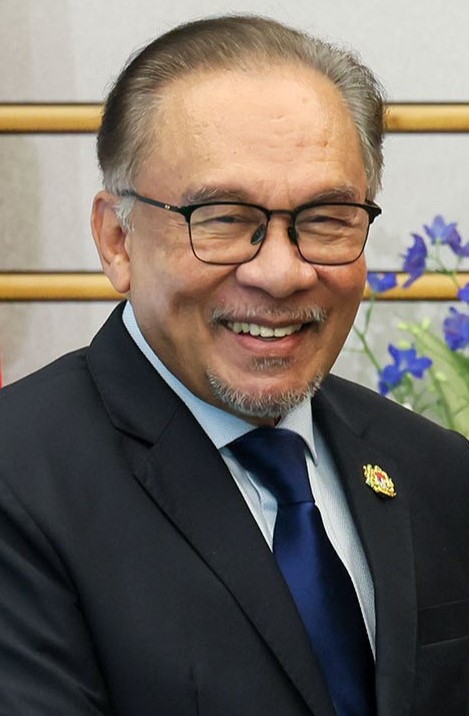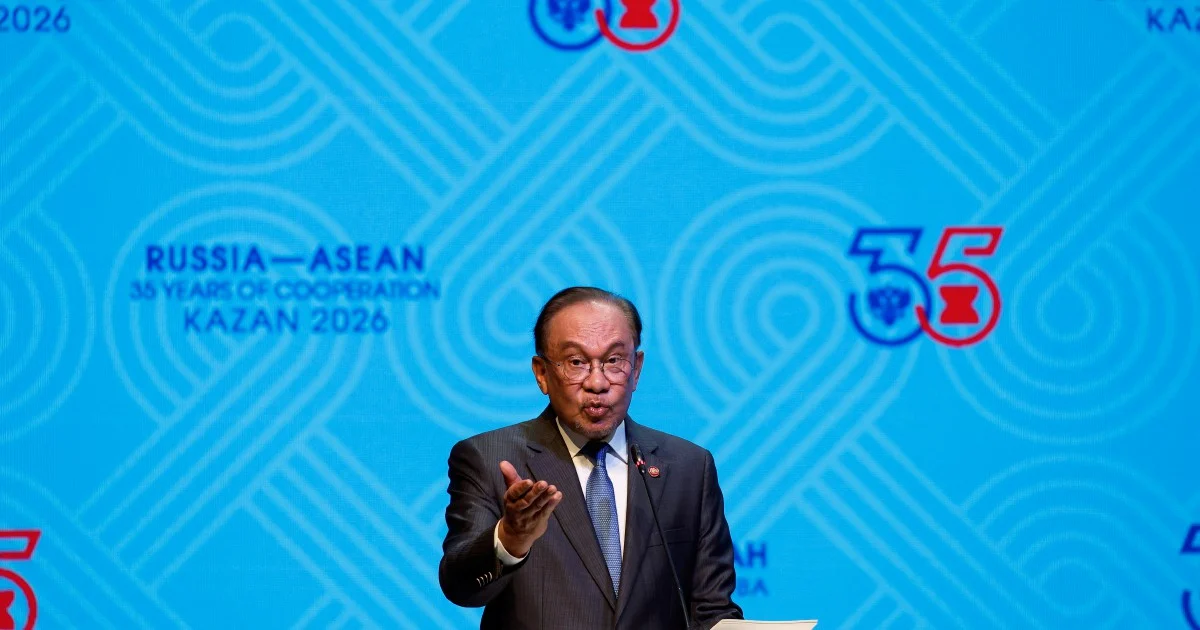
Prime Minister Datuk Seri Anwar Ibrahim has expressed cautious optimism about the recently finalised Asean-Russia Strategic Programme on Trade and Investment Cooperation covering the decade from 2026 to 2035, describing the accord as an important foundation for deepening economic relations between the bloc and Moscow. Speaking in Kazan, the Malaysian premier underscored that whilst the completion of this comprehensive framework represents a meaningful achievement, its success will ultimately depend on the creation of practical, supportive conditions that allow both sides to translate commitments into concrete business opportunities and measurable growth.
The ten-year strategic initiative marks a renewal of commitment between Asean and Russia at a time when regional dynamics in Southeast Asia and broader geopolitical alignments are in transition. By establishing a formal roadmap for bilateral economic engagement, the framework provides a structured basis for expanding trade flows, investment partnerships, and sectoral cooperation across manufacturing, energy, agriculture, and technology. For Malaysia, which holds economic interests across multiple Southeast Asian supply chains and maintains significant trade relationships with Russia, the programme carries particular relevance as it may influence regional market access and investment patterns that affect Malaysian firms operating in the bloc.
Anwar's emphasis on the necessity of an enabling environment reflects the pragmatic recognition that agreement frameworks alone do not guarantee economic advancement. The Malaysian leader was implicitly acknowledging the real obstacles that currently constrain Asean-Russia commercial interaction, including international sanctions affecting Russia's access to global financial systems, logistics challenges across Eurasian corridors, and the complexity of aligning regulatory standards across diverse economies. Without sustained political will, financial mechanisms, and practical problem-solving from both parties, even the most carefully drafted strategic documents risk becoming symbolic rather than substantive.
The timing of the programme's finalisation is noteworthy given the evolving multipolar international order. Russia has been actively seeking to strengthen ties with Asian economies and regional blocs as Western nations maintain restrictive measures in response to geopolitical tensions. Asean's strategic positioning—maintaining principle of non-alignment and engagement with multiple great powers—makes it an attractive partner for Moscow seeking to diversify its economic relationships and reduce dependence on Chinese markets. For the bloc's member states, including Malaysia, engagement with Russia presents opportunities to leverage competition among major powers while advancing regional economic interests.
Trade data between Asean and Russia has historically remained modest compared to bilateral relationships with other major economies, suggesting significant untapped potential. The new programme aims to rectify this through targeted initiatives designed to increase trade volumes, facilitate easier market access for businesses, and encourage joint ventures across priority sectors. For Malaysian exporters and investors, expanded Asean-Russia cooperation could open new channels for manufacturing exports, particularly in electronics and petrochemicals, whilst also creating opportunities to participate in Russian market entry through Asean-based hubs.
The strategic partnership also carries implications for regional infrastructure development. Improved Asean-Russia economic ties may accelerate initiatives connecting Southeast Asia to Central Asia and Eastern Europe via overland and maritime routes, strengthening regional connectivity that benefits all participating countries. Malaysia, as a major trading nation with significant port infrastructure, could position itself as a key logistics and financial hub facilitating commerce between Asean and Russia, enhancing its role in Asian trade networks.
However, realising the programme's potential requires more than high-level endorsement. Detailed implementation mechanisms must be established, including specific tariff reductions, investment protection agreements, and sectoral collaboration guidelines. Both sides must commit resources to capacity building, business facilitation, and dispute resolution frameworks that encourage risk-taking among private sector actors. Anwar's cautionary remarks suggest Malaysia will advocate for pragmatic approaches that prioritise achievable goals over ambitious rhetoric that often characterises diplomatic documents.
The relationship between Asean and Russia also operates within broader strategic considerations. Southeast Asian nations must carefully calibrate their engagement with major powers to maintain flexibility and autonomy in an increasingly competitive regional environment. The Asean-Russia programme reflects this balancing act—deepening ties with Russia whilst avoiding over-dependence and maintaining strong relationships with other partners including China, the United States, India, and the European Union. Malaysia's own foreign policy strategy emphasises this multi-alignment approach, making the Russian partnership one among several important relationships rather than a singular focus.
Looking ahead, the success of the 2026-2035 strategic programme will likely depend on implementation outcomes rather than aspirational language. Specific metrics—including target trade volumes, number of joint ventures established, technology transfers completed, and people-to-people exchanges—will determine whether the framework delivers genuine economic benefits or becomes a footnote in diplomatic history. Anwar's nuanced positioning, welcoming the agreement whilst insisting on enabling conditions, reflects the mature understanding that grand partnerships require sustained practical effort to translate into prosperity for regional businesses and citizens.