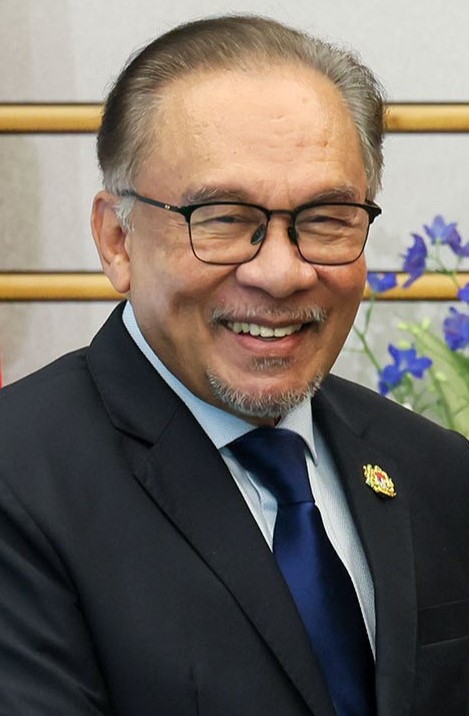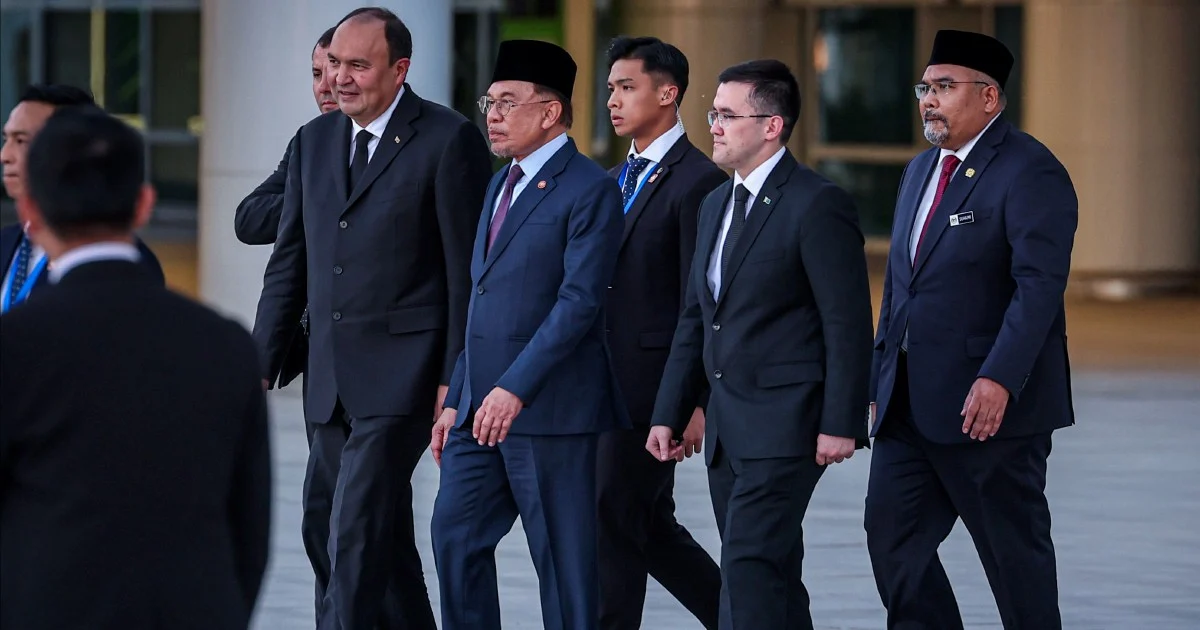
Prime Minister Datuk Seri Anwar Ibrahim is using the final day of his official visit to Turkmenistan to pursue a series of strategic economic and diplomatic engagements with the Central Asian nation, signalling Malaysia's growing interest in deepening ties with a region traditionally less explored by Southeast Asian capitals.
The timing of this visit underscores Malaysia's broader pivot toward diversifying its international partnerships beyond traditional trading blocs. Turkmenistan, positioned along the eastern shore of the Caspian Sea, occupies a geographically significant location that bridges Central Asia with the broader Eurasian economic sphere. For Malaysia, this positioning presents opportunities to explore alternative trade routes and investment channels that could circumvent congested maritime corridors and reduce dependence on established shipping lanes through the Strait of Malacca.
The scheduled discussions between Anwar and Turkmenistan's leadership are expected to cover bilateral trade frameworks that could unlock new markets for Malaysian products and services in Central Asia. Turkmenistan's economy, historically reliant on oil and gas exports, has been gradually diversifying its sectors, creating potential openings for Malaysian companies in telecommunications, manufacturing, and financial services. The conversations will likely assess how both nations can establish preferential trading arrangements that incentivise commercial engagement.
Investment cooperation stands as another pillar of these talks. Malaysian sovereign wealth funds and private enterprises have shown increasing appetite for emerging market opportunities in Central Asia, where growth trajectories often outpace saturation in traditional markets. The discussions may explore frameworks for Malaysian capital deployment in infrastructure projects, mining operations, and service industries across Turkmenistan, while potentially attracting Turkmenistani investment into Malaysia's financial centres and manufacturing hubs.
Beyond immediate commercial considerations, Anwar's engagement reflects Malaysia's strategic recalibration in the post-pandemic era. As Beijing consolidates its Belt and Road Initiative presence across Central Asia, and as Washington reasserts influence through partnerships and development assistance, Malaysian leadership recognises the importance of establishing independent bilateral relationships that serve national interests rather than aligning automatically with major power blocs. Turkmenistan, maintaining a carefully balanced foreign policy of permanent neutrality, aligns well with Malaysia's non-aligned tradition.
The cultural and people-to-people dimensions of this visit should not be underestimated. Despite geographical separation and differing religious traditions—Malaysia is an Islamic-majority nation whilst Turkmenistan is predominantly Muslim but secular—the two countries share a commitment to interfaith dialogue and multicultural governance models. Discussions on educational exchanges, tourism development, and cultural cooperation could establish grassroots connections that sustain diplomatic relationships beyond immediate commercial interests.
Energy security considerations also feature implicitly in these negotiations. Whilst Malaysia maintains oil and gas reserves and possesses refining capacity, diversifying energy supply sources remains a long-term strategic objective. Turkmenistan holds significant hydrocarbon reserves, and exploring potential supply arrangements or joint ventures in the energy sector could provide Malaysia with alternative suppliers, reducing vulnerability to supply disruptions from traditional partners in the Middle East.
Regionally, Malaysia's outreach to Central Asia carries implications for ASEAN's collective positioning. As the bloc seeks to expand its footprint beyond traditional Indo-Pacific geography, individual member states conducting substantive engagements with Central Asian powers contribute to ASEAN's overall strategic presence. Malaysia's bilateral efforts could establish templates for deeper institutional cooperation between ASEAN and Central Asian nations, potentially through the East Asia Summit framework or specialised ASEAN-led mechanisms.
The logistics of these discussions also merit attention. Anwar's visit requires navigating complex diplomatic protocols and ensuring that conversations produce actionable outcomes rather than symbolic gestures. High-level joint commissions, memoranda of understanding on specific sectors, and working group formations on trade facilitation would constitute meaningful deliverables that translate diplomatic engagement into institutional mechanisms.
For Malaysian readers and businesses, these developments signal potential opportunities in emerging markets that remain relatively underdeveloped compared to more established trading partners. Companies operating in logistics, telecommunications, petrochemicals, and professional services should monitor announcements from this visit closely, as bilateral agreements often precede competitive procurement processes and market-opening initiatives.
The visit also demonstrates that Malaysia's foreign policy maintains flexibility and ambition despite domestic political complexities. By conducting high-profile engagements in regions less frequently visited by recent Malaysian leaders, Anwar projects an image of assertive diplomatic leadership that expands Malaysia's global footprint beyond conventional relationships.
As these talks conclude, the real test will be implementation. Bilateral agreements signed during state visits often require sustained follow-up through government agencies, business councils, and private sector leadership to generate tangible economic outcomes. Malaysian exporters, investors, and professionals should engage proactively with their respective industry associations and government trade offices to capitalise on diplomatic openings that this visit creates, transforming political will into commercial reality.