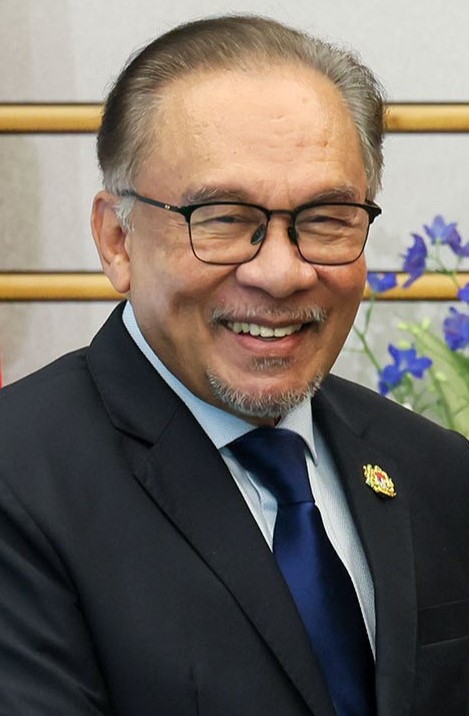
Prime Minister Datuk Seri Anwar Ibrahim has issued a pointed warning that developing countries may pivot toward alternative international partnerships should European nations persist in what he characterises as unfair treatment, using a defence-sector controversy involving Norway to underscore his concerns.
The caution reflects growing frustrations within the Global South regarding asymmetrical power dynamics in international relations and trade negotiations. Anwar's comments highlight Malaysia's broader strategic positioning as a middle power seeking to navigate between established Western blocs and emerging partnerships across Asia, Africa, and the Middle East. His statement carries particular weight given Malaysia's historical role as a voice for developing nations within multilateral forums.
The Prime Minister's remarks signal that Kuala Lumpur will not hesitate to diversify its international engagement if treated inequitably by traditional Western partners. This approach aligns with Malaysia's pivot toward greater economic and diplomatic engagement with China, India, and other regional powers. Rather than remaining dependent on European markets and partnerships, the government is signalling its willingness to rebalance Malaysia's external relationships based on reciprocal benefit and respect.
The defence dispute with Norway that prompted Anwar's warning underscores a recurring tension between developed and developing nations over equipment standards, technology transfer, and compliance requirements. Such disputes often reflect divergent interests: European nations frequently impose strict regulatory frameworks and conditions that developing countries perceive as protectionist or designed to maintain technological advantages. When coupled with what some see as condescending attitudes toward governance or military capabilities, these trade barriers can breed resentment.
For Malaysia specifically, such tensions have implications across multiple sectors beyond defence. Energy transitions, digital infrastructure, and financial services increasingly feature European regulatory requirements that developing nations argue are calibrated to European circumstances rather than local needs. Anwar's warning suggests that Kuala Lumpur is preparing to challenge what it views as inappropriate extraterritorial imposition of Western standards.
The developing world has grown increasingly assertive in recent years about securing equitable treatment. Regional groupings such as ASEAN, the African Union, and the African-led BRICS expansion reflect this shift away from unilateral Western dominance. Malaysia's positioning within these frameworks, combined with its substantial trade relationships with China and India, gives it leverage to credibly threaten reorientation if European partners prove inflexible.
Anwar's intervention also reflects internal Malaysian politics, where segments of the government and public opinion have grown sceptical of Western institutions and their governance standards. By articulating concerns about fair treatment, the Prime Minister appeals to nationalist sentiments while simultaneously positioning Malaysia as a responsible interlocutor capable of mediating between global blocs. This dual positioning—defending sovereignty while maintaining constructive engagement—represents Malaysia's strategic sweet spot.
The broader context involves questions about global trade architecture and who benefits from existing rules. Developing countries frequently argue that frameworks established during the post-World War II era reflect power distributions that no longer exist. European nations, they contend, used their historical dominance to entrench advantages that persist through regulatory regimes, intellectual property protections, and institutional voting structures. Challenges to such arrangements, whether through bilateral disputes or warnings like Anwar's, represent efforts to rebalance global relations.
Southeast Asia finds itself particularly positioned to benefit from such recalibration. The region's geographic location, demographic scale, and economic dynamism make it an attractive partner for multiple powers. Malaysia's willingness to signal that European partners cannot take its alignment for granted strengthens Kuala Lumpur's hand in negotiations with all quarters. Beijing, New Delhi, and Middle Eastern capitals will note that Malaysia is willing to act on its stated principles regarding equitable partnership.
The sustainability of Anwar's approach depends on developing alternative arrangements that genuinely serve Malaysian interests. Simply replacing European partnerships with other dependencies would constitute strategic failure. Instead, Malaysia must cultivate genuine partnerships where mutual benefit and reciprocal respect characterise arrangements. Evidence suggests the government understands this complexity, pursuing balanced engagement rather than wholesale reorientation.
European policymakers would be wise to heed Anwar's warning not as a negotiating tactic but as a reflection of genuine structural shifts in global power dynamics. The window for taking developing nations' concerns seriously through good-faith engagement remains open, but it narrows as alternative partnership opportunities proliferate. For Malaysia and similar nations, the message is clear: unfair treatment will trigger reassessment of strategic relationships, potentially permanently altering long-standing partnerships.