%22%2F%3E%3C%2Fpattern%3E%3C%2Fdefs%3E%3Crect%20width%3D%22100%25%22%20height%3D%22100%25%22%20fill%3D%22url(%23ph59js5g)%22%2F%3E%3Crect%20width%3D%22100%25%22%20height%3D%22100%25%22%20fill%3D%22url(%23ph59js5p)%22%2F%3E%3Ctext%20x%3D%2250%25%22%20y%3D%2250%25%22%20text-anchor%3D%22middle%22%20dominant-baseline%3D%22central%22%20fill%3D%22rgba(255%2C255%2C255%2C0.95)%22%20font-family%3D%22Georgia%2C%20'Times%20New%20Roman'%2C%20serif%22%20font-weight%3D%22700%22%20font-size%3D%22272%22%20letter-spacing%3D%22-0.02em%22%3EAnwar%3C%2Ftext%3E%3C%2Fsvg%3E)
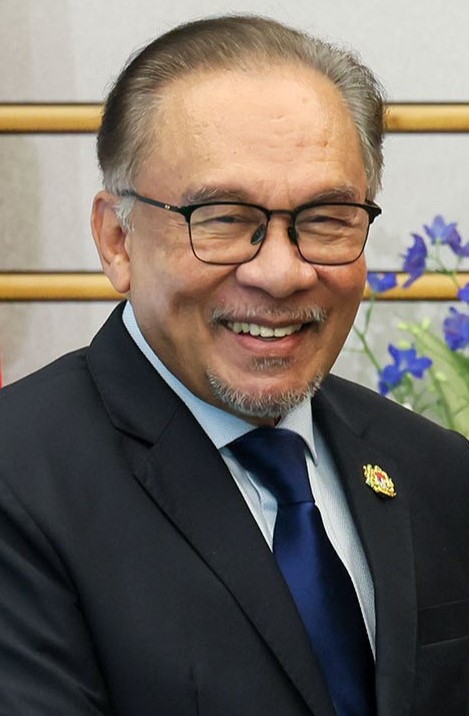
Prime Minister Datuk Seri Anwar Ibrahim has delivered a pointed message to European nations, warning that developing countries will pursue alternative partnerships if they perceive themselves being treated unfairly in bilateral and multilateral trade negotiations. The warning reflects growing frustration among emerging economies over what they view as protectionist policies and asymmetrical trade arrangements that favour developed nations, a tension increasingly shaping global economic relations in an era of competing geopolitical blocs.
Anwar's remarks underscore a broader strategic reality: developing nations, particularly those in Southeast Asia, now possess meaningful leverage in deciding their economic partners. Rather than accepting terms dictated by traditional Western powers, countries like Malaysia have begun diversifying their trade relationships and exploring deeper engagement with alternative partners offering more equitable arrangements. This shift represents a fundamental recalibration of power in the global economic system, where emerging markets increasingly view themselves as negotiating equals rather than subordinates.
The Malaysian Prime Minister's position reflects concerns shared across the developing world about current trade frameworks. Many emerging economies argue that rules established decades ago, when the global economic landscape was vastly different, no longer serve their interests. Standards imposed on intellectual property, agricultural subsidies, manufacturing regulations, and digital trade often appear designed to entrench advantages held by established industrial powers rather than facilitate mutual benefit. Malaysia itself has experienced tension over these issues, particularly regarding palm oil trade restrictions and environmental standards that critics argue disproportionately target developing nations.
Europe, facing its own economic challenges and competitive pressures from China and the United States, has increasingly tightened its trade policies. Recent European Union initiatives on carbon border adjustments, labour standards, and supply chain due diligence have been critiqued by developing nations as non-tariff barriers that effectively restrict market access. These measures, while framed as environmental and social protections, are perceived by countries reliant on specific export sectors as discriminatory obstacles that developed nations would resist if roles were reversed.
The warning carries particular significance given Malaysia's strategic position as a crucial node in global supply chains and a gateway to Southeast Asian markets. As a nation heavily dependent on international trade, with strong historical ties to Europe but equally important economic relationships with China and other Asian partners, Malaysia exemplifies the reality facing many middle-income countries. These nations now genuinely have options, and European policymakers ignore this fact at their peril.
Anwar's message aligns with Malaysia's broader foreign policy trajectory under his leadership, which has emphasised pragmatic diversification rather than alignment with any single power bloc. This approach reflects not ideological neutrality but rather a clear-eyed assessment that Malaysia's prosperity depends on maintaining and expanding economic relationships across multiple partners. When European policies threaten this equation, Malaysian leadership will naturally seek alternatives that better serve national interests.
The developing world's potential pivot away from Europe has significant implications for global trade architecture. European exports to developing markets, particularly in manufacturing and technology, remain substantial, and European companies derive meaningful profits from operations and investments across the Global South. A systematic shift toward alternative partnerships would reshape supply chains, investment flows, and technology transfer arrangements that Europe has come to depend upon for economic dynamism.
China and other Asian powers, recognising this opportunity, have deliberately positioned themselves as more accommodating partners. Through initiatives like the Regional Comprehensive Economic Partnership and bilateral agreements, they have offered developing nations arrangements perceived as offering greater flexibility and fewer conditionalities than Western alternatives. While these partnerships carry their own complexities and concerns, their appeal partly stems from frustration with what developing nations view as inflexible Western positions.
The geopolitical dimension cannot be ignored. Trade relationships increasingly reflect broader strategic alignments, and Anwar's warning implicitly signals that Europe's approach to developing nations matters not merely in economic terms but in shaping which powers developing countries view as reliable, respectful partners. In an era of intensifying great power competition, such perceptions translate directly into influence and strategic positioning.
For Malaysia specifically, Anwar's statement represents a negotiating posture ahead of potential discussions on trade agreements and investment frameworks with European partners. By signalling clearly that developing nations possess alternatives, the Prime Minister establishes a baseline expectation that any engagement with Europe should offer terms genuinely beneficial to Malaysian interests, not merely arrangements that Europe finds convenient.
The underlying tension between developed and developing nations over trade fairness remains fundamentally unresolved in the global system. Developed economies, despite rhetoric about inclusive growth, maintain numerous protections and advantages that they fiercely defend in trade negotiations. For developing nations, the message from leaders like Anwar is simple: these asymmetries cannot persist indefinitely, and those unwilling to acknowledge and address them should expect gradually diminishing influence and partnership.
For Southeast Asian policymakers and businesses, Anwar's warning suggests a region increasingly confident in its negotiating position, willing to walk away from unfavourable arrangements, and active in cultivating diverse partnership options. This confidence reflects genuine economic weight and strategic importance that the region can now wield effectively in global negotiations.