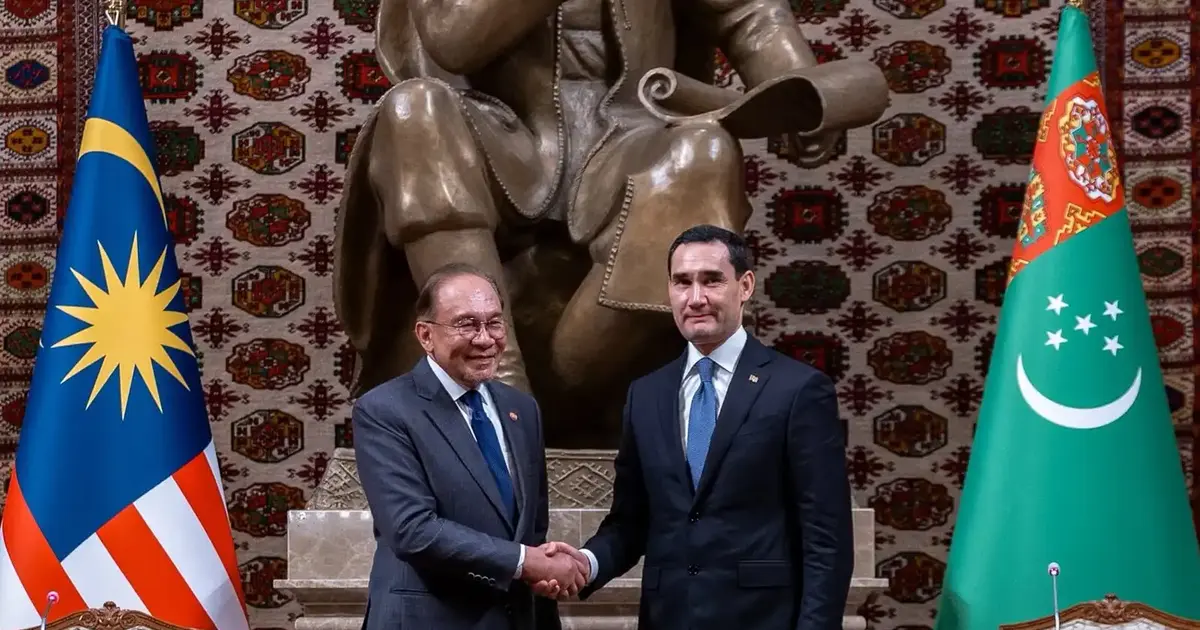
Prime Minister Anwar Ibrahim's strategic approach to energy diplomacy is reshaping Malaysia's resource security landscape through a series of carefully negotiated partnerships that extend well beyond traditional suppliers. According to policy analysts, the agreements forged with Russia, Turkmenistan, and Japan represent a deliberate effort to insulate the nation from supply vulnerabilities while diversifying revenue streams and ensuring stable access to critical energy commodities that fuel Southeast Asia's largest economy.
The significance of these diplomatic engagements cannot be understated in the context of Malaysia's evolving energy position. As a nation that has historically relied on hydrocarbon exports as a major revenue source, Malaysia faces mounting pressure to balance domestic consumption demands with export capabilities while managing the transition toward more sustainable energy infrastructure. The multilateral agreements negotiated under Anwar's administration create a more resilient framework that hedges against geopolitical disruptions affecting traditional energy corridors and supply routes.
Engagements with Russia introduce dimensions of supply security that offer Malaysia alternative sourcing options independent of Western-dominated energy markets. These arrangements acknowledge the complex geopolitical realities of contemporary energy commerce and Malaysia's pragmatic positioning as a nation seeking to maintain strategic flexibility. The partnership structure ensures that Malaysia can access reliable supplies while negotiating terms that reflect its own development priorities and regional strategic interests.
The Turkmenistan component of this energy architecture addresses critical gaps in Malaysia's long-term supply planning. Central Asian energy resources remain underutilized in Southeast Asian markets, and establishing direct mechanisms for accessing these reserves positions Malaysia as a potential gateway for distributing Central Asian energy products throughout the region. This triangulation creates economic value for Malaysian intermediaries and strengthens the nation's strategic importance in regional energy markets.
Japan's involvement in these energy arrangements carries particular significance given the country's position as the world's largest liquefied natural gas importer and its technological sophistication in energy infrastructure development. Japanese partnerships bring not merely financial capital but also advanced technical expertise in LNG processing, storage, and distribution systems. For Malaysia, which possesses substantial LNG export capacity, Japanese participation in these agreements guarantees access to one of the world's most stable and economically significant energy markets.
The guaranteed LNG markets secured through these diplomatic initiatives provide Malaysian producers with predictable revenue streams and long-term demand certainty. This element proves especially valuable for resource-dependent regions within Malaysia that depend on petroleum and natural gas revenues for local economic development. Stable export contracts reduce the volatility that characterizes commodity markets and enable more reliable fiscal planning for both government and private sector energy companies.
Analysts emphasize that the comprehensive nature of these agreements distinguishes them from transactional commodity purchases. Rather, they constitute structural partnerships addressing multiple dimensions of energy security simultaneously. Long-term supply procurement agreements lock in pricing mechanisms that account for Malaysia's development costs, while reserve access arrangements ensure that Malaysian entities can secure additional resources if domestic production declines or demand increases unexpectedly.
The timing of these diplomatic initiatives reflects broader recognition within Malaysia's leadership that energy security constitutes a foundational pillar of national economic stability. As regional demand for electricity and petroleum products accelerates across Southeast Asia, nations that secure diverse supply networks and diverse buyer relationships will enjoy competitive advantages in shaping regional energy architectures. Malaysia's positioning through these multilateral arrangements enhances its influence in determining how energy flows across Asia.
From a Southeast Asian perspective, Malaysia's network-building approach creates ripple effects throughout the region. As ASEAN's energy hub and a nation with substantial technical capacity in hydrocarbon management, Malaysia's successful diversification of global energy partnerships demonstrates feasible pathways for other regional nations seeking to strengthen their own supply security. The arrangements negotiated by Anwar's administration establish precedents for how medium-sized Asian economies can leverage their strategic positions to negotiate favorable terms with larger energy producers and consumers.
These energy diplomacy efforts also intersect with Malaysia's broader economic and foreign policy objectives. Strengthening ties with Russia, Turkmenistan, and Japan advances Malaysia's positioning as a nation comfortable engaging with diverse international partners across different geopolitical alignments. This flexibility in diplomatic relationships translates into negotiating leverage when addressing bilateral and multilateral challenges extending beyond energy considerations.
The architectural resilience embedded within these agreements addresses Indonesia's experience managing energy supply disruptions and provides a working model for how Malaysian policymakers conceptualize long-term resource security in an increasingly volatile geopolitical environment. By cementing relationships with multiple suppliers and buyers simultaneously, Malaysia reduces exposure to individual partner dependencies that could undermine economic stability.
Looking forward, analysts suggest that the framework established through these energy diplomacy initiatives creates opportunities for additional partnerships addressing complementary resources and markets. The demonstrated success in coordinating complex multilateral energy arrangements enhances Malaysia's credibility when pursuing similar agreements in other sectors, from rare earth minerals to semiconductors and advanced manufacturing.
Ultimately, Anwar's energy diplomacy strategy reflects mature understanding that national prosperity in the modern era depends fundamentally on securing stable access to resources, ensuring market access for domestic production, and maintaining sufficient strategic flexibility to navigate unpredictable international conditions. The agreements with Russia, Turkmenistan, and Japan constitute tangible manifestations of this strategic vision, positioning Malaysia favorably for the energy transitions and geopolitical recalibrations that will define the coming decades.

