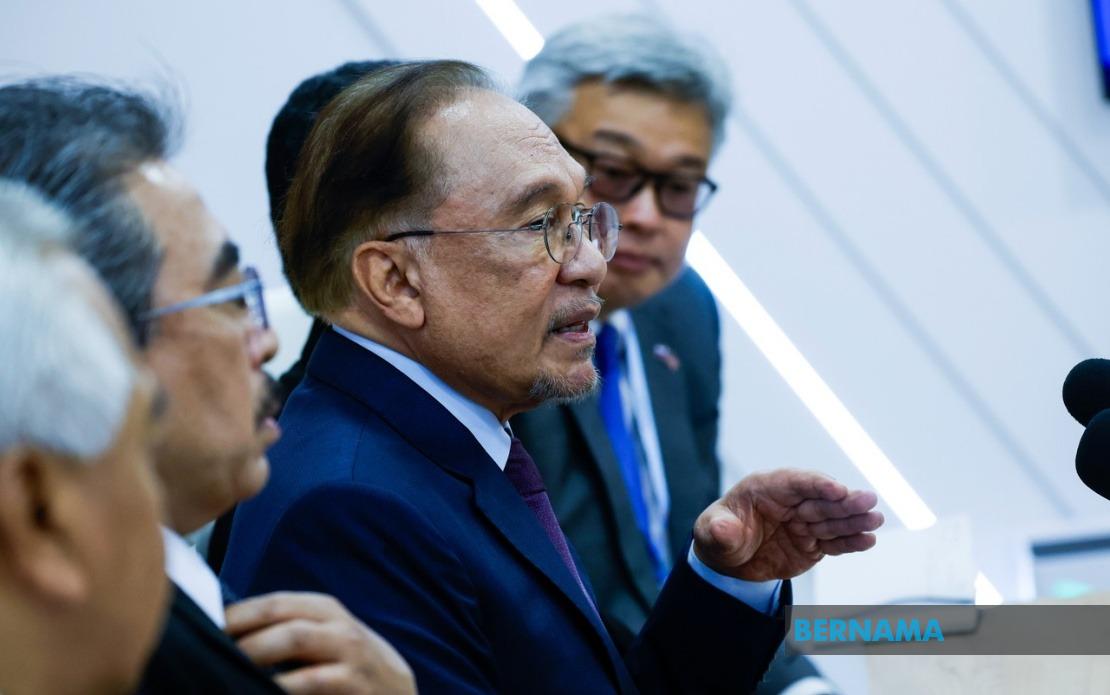
Prime Minister Datuk Seri Anwar Ibrahim concluded a significant two-day working visit to Kazan with commitments from Russia to guarantee long-term supplies of petrol, oil, and gas to Malaysia, fundamentally shifting the nation's approach to energy security. The breakthrough came during the 35th ASEAN-Russia Commemorative Summit, where both countries agreed to move away from the traditional cycle of annual or seasonal renewals towards multi-year framework agreements that provide predictability and stability. Anwar emphasised the strategic importance of this shift, noting that Malaysia has long operated with supply arrangements that required frequent renegotiation, leaving the country vulnerable to market fluctuations and diplomatic uncertainties.
The oil and gas cooperation framework represents the centrepiece of Malaysia's broader economic engagement with Russia, a relationship that extends far beyond energy into trade, investment, finance, and emerging sectors like the halal economy. During the summit, Anwar expressed gratitude to Russian President Vladimir Putin for facilitating enhanced cooperation, particularly through Malaysia's national oil company Petronas, which has been instrumental in negotiating the long-term supply agreements. The Prime Minister disclosed that corporate delegations have already visited Kazan, with draft agreements prepared and key principles already negotiated. He committed to expediting the finalisation process immediately upon his return to Kuala Lumpur, suggesting that formal signing could occur within weeks rather than months.
This energy diplomacy initiative occurs within the context of Malaysia's urgent need to secure diversified hydrocarbon sources. The country faces mounting pressure to stabilise energy supplies as global markets contend with geopolitical tensions, supply chain disruptions, and volatile pricing structures. Russia, despite international sanctions related to its conflict with Ukraine, remains a significant crude oil and natural gas producer capable of meeting Malaysia's medium to long-term requirements. The strategic partnership also signals Malaysia's willingness to pursue independent foreign economic policy, moving beyond the cautious diplomatic positioning that has historically characterised the nation's international engagements.
Anwar articulated a more assertive economic philosophy during the Kazan visit, arguing that Malaysia must adopt a bolder stance in expanding ties with emerging partners rather than remaining constrained by excessive caution. This rhetorical shift reflects recognition that traditional trading relationships and energy suppliers cannot indefinitely meet the nation's growing demand, particularly as Southeast Asia's manufacturing and industrial sectors expand. The Prime Minister's commentary suggests that Malaysia's government has conducted comprehensive risk assessments regarding Russia engagement, concluding that strategic energy security outweighs diplomatic or commercial concerns that might otherwise constrain the relationship.
Beyond hydrocarbon supplies, the bilateral agenda encompasses softer infrastructure initiatives aimed at deepening people-to-people connections. Anwar prioritised the implementation of visa-free travel arrangements between Malaysia and Russia, alongside establishment of direct air services connecting the two nations. These measures would substantially lower transaction costs for tourism and business travel, addressing practical barriers that currently limit interaction between Malaysian and Russian populations. The emphasis on facilitating movement of persons reflects understanding that sustainable bilateral relationships require not merely government-to-government transactions but genuine civil society engagement and cultural exchange.
The macro-regional context provides crucial framing for Malaysia's individual energy diplomacy. ASEAN and Russia finalised their Strategic Programme on Trade and Investment Cooperation covering 2026-2035, establishing an institutional framework for expanded regional engagement. During 2024, ASEAN-Russia bilateral trade reached US$18.1 billion, with Russian foreign direct investment totalling RM367.90 million across the bloc. For Malaysia specifically, Russia ranked as the ninth-largest European trading partner in 2025, with total trade valued at RM8.72 billion. Malaysian exports predominantly consist of electrical and electronic products, machinery, and processed food, while imports centre on petroleum products and chemical compounds. This complementary trade structure demonstrates potential for deepening commercial relationships beyond the energy sector.
During his Kazan sojourn, Anwar conducted bilateral discussions with Rustam Minnikhanov, Head of the Republic of Tatarstan, exploring cooperation possibilities spanning trade, investment, education, tourism, the halal industry, technology, and talent development. Tatarstan's significance stems from its position as one of Russia's major oil-producing regions, offering particular relevance for Malaysia's downstream activities, refining operations, and petrochemical interests. The sub-regional engagement complements national-level discussions with Moscow, creating multiple channels through which Malaysian enterprises can develop commercial relationships. This layered diplomatic approach increases probability that concrete commercial outcomes will materialise beyond headline government commitments.
Anwar identified additional cooperation domains extending beyond traditional energy parameters. Cybersecurity, agricultural collaboration, digital technology advancement, scientific research, and higher education represent emerging areas where Malaysia and Russia could establish productive partnerships. These sectors reflect recognition that 21st-century economic competition encompasses dimensions beyond hydrocarbon extraction and export. Malaysia's positioning itself to benefit from Russian expertise in technology development and academic exchange, particularly given Russia's historical strengths in mathematics, engineering, and scientific research. Such cooperation could yield innovation dividends extending throughout Malaysia's economy.
The broader Central Asian tour continued beyond Kazan, with Anwar immediately departing for Turkmenistan to pursue additional energy security objectives. This sequential engagement demonstrates that Malaysia's strategic energy diplomacy operates at multiple geographic scales simultaneously. Turkmenistan, another significant natural gas producer, represents complementary sourcing opportunity to Russian supplies. The dual-nation approach to energy security reflects sophisticated understanding that sole dependence on any single supplier, regardless of supply volumes, carries unacceptable geopolitical risk. By negotiating parallel agreements with multiple Central Asian producers, Malaysia creates competitive dynamics that enhance negotiating leverage whilst ensuring supply continuity should disruptions affect any individual source.
The energy security imperative driving this diplomatic initiative reflects Malaysia's position as Southeast Asia's second-largest petroleum consumer with sophisticated downstream infrastructure dependent upon consistent hydrocarbon availability. Global market volatility stemming from Middle Eastern tensions, sanctions regimes, and unexpected production disruptions have exposed vulnerabilities in Malaysia's existing supply relationships. The long-term agreements being negotiated with Russia through Petronas essentially create buffer capacity that insulates Malaysian energy-dependent industries from short-term price spikes and supply interruptions. Manufacturing sectors, petrochemical producers, and power generation facilities require predictable fuel availability at stable cost structures to maintain competitiveness and investment confidence.
Anwar's framing of the energy initiative within broader strategic partnership language emphasises that Malaysia regards Russia as more than transactional supplier. The incorporation of visa-free travel, direct flights, educational exchange, and sectoral collaboration alongside energy deals signals intention to build durable institutional relationships transcending individual commodity transactions. Such comprehensive engagement architecture increases resilience, as multiple collaborative channels reduce likelihood that diplomatic friction in one domain precipitates collapse of entire relationship. Investment commitments, educational partnerships, and tourism flows create constituencies within both nations benefiting from maintained amicable relations, thereby anchoring bilateral ties through diverse stakeholder networks rather than fragile government-to-government arrangements.
The geopolitical implications of Malaysia's Russia engagement extend throughout Southeast Asia, where ASEAN's collective relationship with Moscow has progressively intensified despite broader Western sanctions. Malaysia's visible leadership in pursuing long-term energy arrangements with Russia implicitly endorses ASEAN's non-aligned positioning and reinforces the bloc's strategic autonomy in navigating great power competition. Other ASEAN members facing similar energy security pressures may view Malaysia's Kazan breakthrough as validation of independent energy diplomacy, potentially encouraging parallel bilateral negotiations. This cumulative effect could systematically deepen ASEAN-Russia economic integration, gradually reducing Western leverage over regional states pursuing particular foreign policy objectives.
Anwar's characterisation of the Kazan visit as productive and his expressed optimism regarding subsequent engagement in Turkmenistan suggest that Malaysian strategic objectives across Central Asia are advancing according to plan. The timing of this energy diplomacy initiative, occurring amid broader global supply chain reorientation and energy market restructuring, positions Malaysia to lock in favourable terms during period when Russia faces international isolation limiting alternative markets. These agreements, once formalised, establish decades-long contractual relationships that will shape Malaysia's energy consumption patterns, industrial competitiveness, and geopolitical positioning well into the 2030s and beyond.