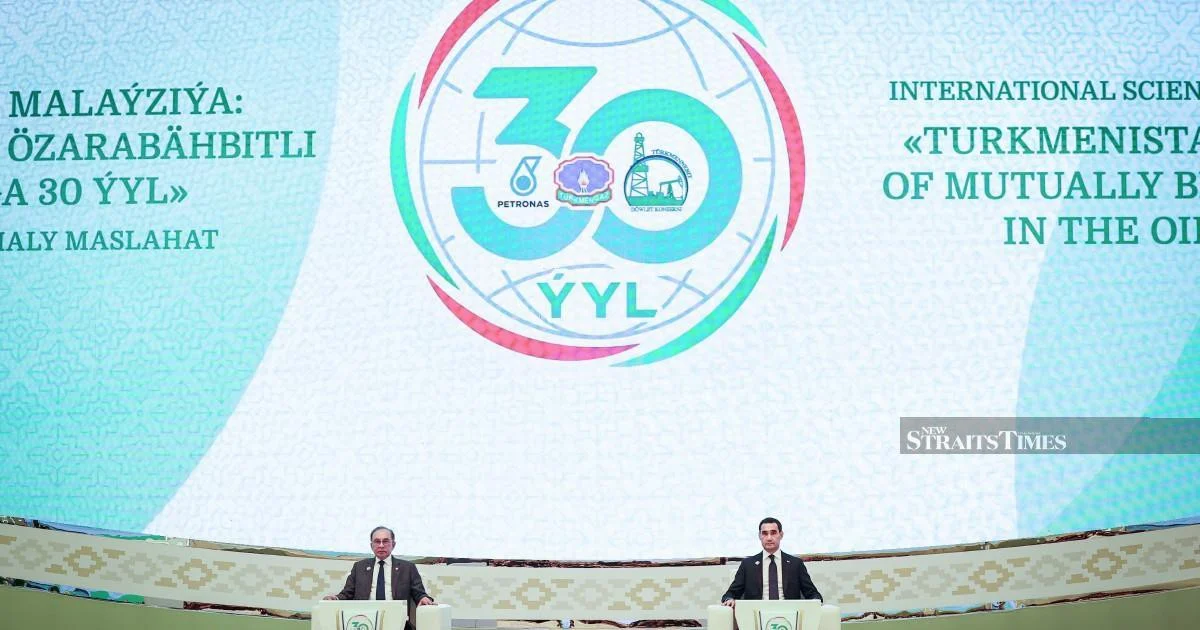
Prime Minister Datuk Seri Anwar Ibrahim's recent sojourn through Russia and Turkmenistan represents a watershed moment for Malaysia's energy diplomacy, delivering tangible accords that extend far beyond ceremonial state visits. The successive engagements yielded concrete arrangements within the oil and gas sector, signalling Kuala Lumpur's determination to diversify energy partnerships amid an increasingly complex global energy landscape dominated by supply constraints and geopolitical tensions.
The timing of Anwar's journey holds particular significance for Malaysia's long-term energy security strategy. As nations worldwide grapple with energy price volatility and the imperative to secure stable supply chains, Malaysia's overtures toward major hydrocarbon producers in Central Asia and Eastern Europe reflect a calculated recalibration of bilateral relationships. These moves position the country as an actor willing to engage pragmatically with diverse geopolitical blocs, moving beyond traditional Western-aligned partnerships to establish direct connections with alternative suppliers.
Turkmenistan's role as a substantial natural gas exporter carries especial weight in this context. The Central Asian nation sits atop considerable reserves and maintains sophisticated export infrastructure capable of reaching multiple markets. For Malaysia, securing preferential access or long-term supply contracts with Ashgabat could provide substantial relief from energy import pressures, particularly given the nation's growing consumption demands and the strategic importance of stable hydrocarbon availability to Malaysia's downstream petrochemical and power generation sectors.
Russia's energy sector, despite international sanctions imposed following geopolitical conflicts, continues operating as a significant global supplier with sophisticated petroleum technology and substantial reserves. Establishing or strengthening bilateral energy arrangements with Moscow provides Malaysia with additional negotiating leverage in international energy markets. Such relationships also enhance Malaysia's credentials as a neutral broker capable of maintaining dialogue across ideological divides, a positioning that carries diplomatic dividends extending well beyond energy considerations alone.
For Malaysian policymakers, these energy breakthroughs address a fundamental economic vulnerability. The nation's reliance on hydrocarbon revenues and its substantial energy consumption requirements create structural pressures that demand diversified sourcing. The ability to tap into Central Asian and Russian supply networks reduces dependence on any single supplier region, thereby enhancing national economic resilience. This diversification proves particularly valuable given ongoing uncertainties in Middle Eastern geopolitics and competition from wealthier nations for available energy supplies.
The diplomatic success also carries implications for Malaysia's broader regional positioning within Southeast Asia. As the region's most resource-rich major economy, Malaysia's energy partnerships influence regional energy security calculations. Successful procurement arrangements with suppliers outside traditional regional sources signal to neighbouring states that alternative supply pathways exist, potentially reshaping regional energy market dynamics and Malaysia's standing as an energy leader within ASEAN.
Beyond immediate supply considerations, these agreements likely encompass technological cooperation and sectoral expertise exchange. Russian and Turkmenistani firms possess advanced capabilities in offshore extraction, pipeline infrastructure, and hydrocarbon processing. Technical collaboration frameworks embedded within these energy accords could strengthen Malaysian capabilities across the entire value chain, from exploration and extraction through to refining and petrochemical production.
The commercial dimensions warrant particular attention. Energy companies operating across multiple jurisdictions require stable institutional frameworks and predictable regulatory environments. Anwar's diplomatic engagements likely included commitments regarding contractual protections, dispute resolution mechanisms, and infrastructure access guarantees. Such provisions facilitate private sector confidence and encourage investment commitments from Malaysian firms looking to establish operations or secure long-term supply contracts.
These arrangements also reflect evolving patterns in global energy markets where supplier diversification becomes increasingly valuable. Traditional energy-exporting regions face rising internal demand, climate transition pressures, and political uncertainty. Establishing partnerships with suppliers outside the conventional cartel-dominated markets provides consumers with alternative negotiating positions. Malaysia's outreach to Russia and Turkmenistan therefore represents shrewd strategic positioning within a transforming global energy system.
Looking forward, the substantive outcomes from these visits warrant monitoring regarding implementation timelines and contract execution. International energy partnerships frequently announce ambitious targets that encounter operational complexities during implementation phases. The true measure of diplomatic success extends beyond agreement signing to encompass actual commodity flows, investment commitments, and technical collaboration realisation.
For Malaysia's economy, these energy diplomacy victories address critical infrastructure and revenue sustainability questions. As the nation pursues industrial diversification and economic transformation, reliable energy supplies at competitive prices remain foundational. Anwar's successful navigation of complex international negotiations demonstrates commitment to securing these fundamental requirements, thereby supporting broader developmental objectives.
The diplomatic success also enhances Anwar's personal standing as a skilled international negotiator capable of advancing Malaysian interests across geopolitical divides. This credibility proves valuable for attracting future partnerships and elevating Malaysia's voice within multilateral forums. Effective energy diplomacy translates directly into economic security, placing these recent breakthroughs well within the legitimate scope of substantive national achievement worthy of recognition.

