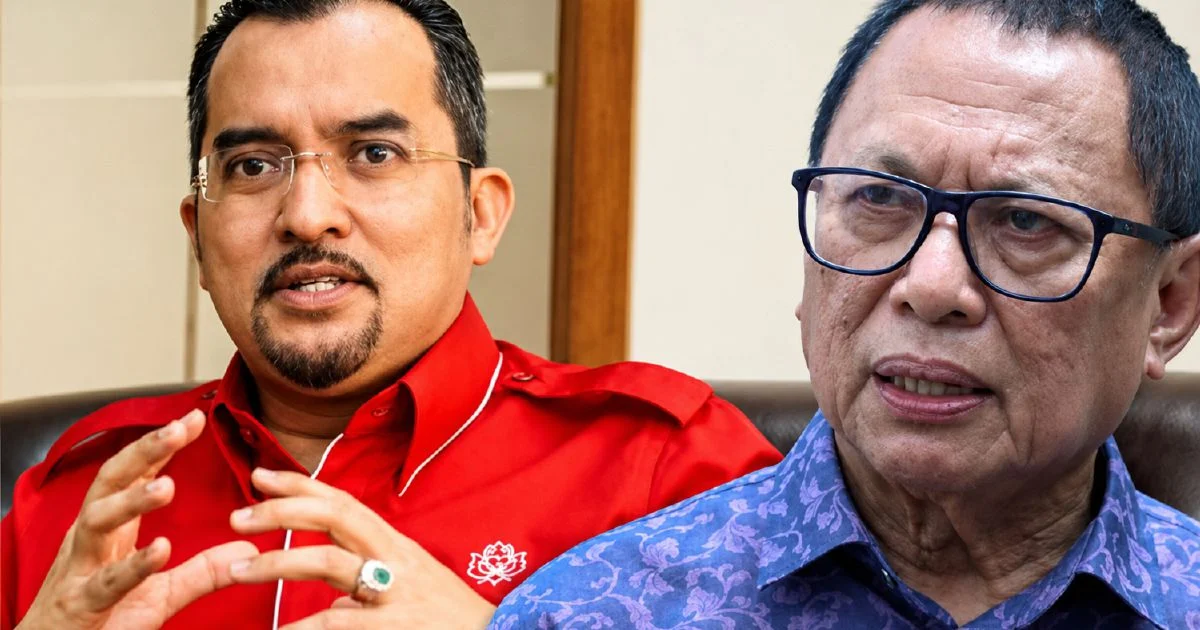
Umno's top administrative official Datuk Dr Asyraf Wajdi Dusuki has launched a robust defence of the party against criticism levelled by Datuk Dr Mohd Puad Zarkashi, whose surprise departure from the organisation has sparked a fresh internal controversy at Malaysia's oldest political party. The secretary-general's rebuttal underscores mounting tensions within Umno as high-ranking figures clash over the party's trajectory and governance, a significant development given the party's pivotal position in Malaysian politics and its role within the Barisan Nasional coalition.
Puad Zarkashi's resignation represents another loss for Umno, which has faced erosion in its leadership ranks and membership base in recent years as factional disputes and policy disagreements have intensified. His departure comes at a delicate moment for the party, which is attempting to rebuild credibility following electoral setbacks and ongoing internal restructuring. The emergence of public disagreements between senior figures underscores how personality-driven disputes and competing visions for the party's future continue to plague an organisation that has historically relied on consensus and hierarchical decision-making.
Asyraf Wajdi's counterattack signals the current leadership's determination to maintain control and present a united front amid what appears to be a fundamental disagreement about the party's direction and values. By responding forcefully rather than attempting diplomatic reconciliation, the secretary-general has chosen to defend the party's institutional integrity publicly, suggesting that the differences between the two figures may be too profound for private resolution. This escalation indicates growing friction over the philosophical orientation of Umno and its approach to contemporary challenges facing Malaysian politics.
The specific allegations involving palace matters introduced by Puad Zarkashi appear to have particularly provoked Asyraf Wajdi's response, as such claims touch on sensitive constitutional and institutional questions. The invocation of palace-related issues in intra-party disputes carries significant weight in Malaysia, where the institution of the monarchy occupies a constitutionally protected and culturally significant position. Any suggestion that a major political party might be operating contrary to royal interests or palace preferences would constitute a serious allegation that demands immediate rebuttal to protect the party's reputation and its relationship with the institution.
Ashraf Wajdi's position as secretary-general places him at the heart of party administration and makes him the logical figure to respond to criticisms of how Umno is being managed. As the chief administrative officer, he bears responsibility for implementing party policies, overseeing internal operations, and managing relationships between the leadership and grassroots membership. When questions arise about the party's governance or direction, the secretary-general becomes the natural spokesperson for explaining decisions and defending organisational choices to both members and the broader public.
The timing of this public dispute carries implications for Umno's performance in upcoming political challenges and electoral contests. Internal divisions that surface through resignations and public exchanges weaken party cohesion and send confusing signals to supporters and voters about the organisation's stability and vision. In Malaysian politics, where electoral mathematics depend heavily on party discipline and unified messaging, such visible cracks in the leadership can translate into tangible losses at the ballot box and diminished influence in coalition negotiations.
Puad Zarkashi's exit also raises questions about the broader appeal of Umno's current direction among its own senior members. When experienced party figures with established credentials decide to leave, it often reflects deeper dissatisfaction with strategic choices, leadership style, or ideological positioning that cannot be easily bridged through dialogue. The fact that a figure of Puad Zarkashi's stature felt compelled to resign and subsequently air grievances publicly suggests his concerns transcend routine party disagreements and reflect fundamental reservations about the party's future.
For Malaysian political observers, the Asyraf Wajdi-Puad Zarkashi conflict represents a microcosm of broader challenges confronting traditional Umno. The party must balance conservative institutional loyalties with demands for reform, maintain unity across diverse membership factions, and respond to evolving political preferences among the electorate. When senior leaders cannot find common ground on these fundamental issues, the resulting public disputes undermine the party's efforts to project stability and confidence.
The secretary-general's forceful response also reflects his personal stake in the outcome of this dispute. As the official responsible for party administration, criticism of Umno's governance implicitly questions his leadership and effectiveness in managing the organisation. By responding strongly, Asyraf Wajdi attempts to rebut not just Puad Zarkashi's specific claims but also any broader impressions that party administration is adrift or misguided. The intensity of his response suggests he views this confrontation as significant enough to warrant public intervention rather than allowing the matter to dissipate quietly.
Looking forward, this episode will likely continue to reverberate within Umno circles and among observers of Malaysian politics. The departure of experienced members coupled with subsequent public disputes can either catalyse internal reckoning and reform or harden existing divisions and accelerate further departures. How Umno's leadership manages the aftermath of this confrontation will signal whether the party can address internal concerns constructively or whether it faces continued fragmentation that erodes its position in Malaysian politics. The party's ability to retain members and resolve disputes internally will fundamentally shape its prospects in an increasingly competitive political environment.

