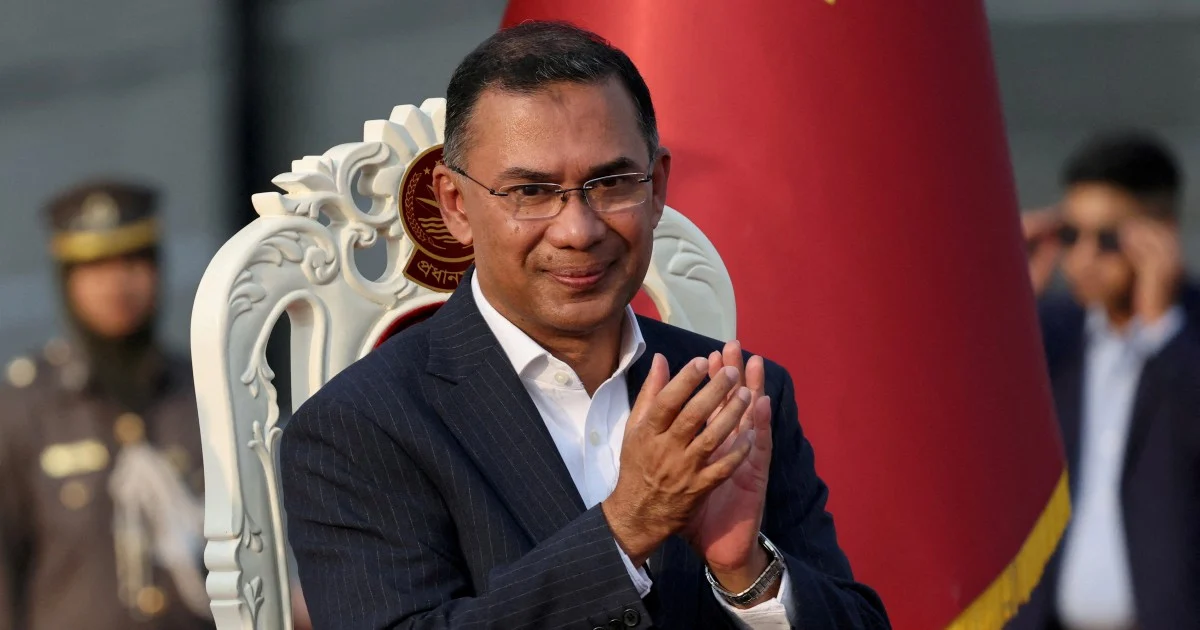
Bangladesh Prime Minister Tarique Rahman touched down in Malaysia today, marking a significant diplomatic engagement between Dhaka and Kuala Lumpur at a time when both nations are actively repositioning their regional partnerships. The arrival at Sepang underscores the importance Dhaka places on strengthening ties with Southeast Asia's third-largest economy, particularly as Bangladesh navigates complex geopolitical currents in South Asia and seeks to diversify its international relationships across the wider Asian region.
The visit represents a deliberate effort by the Bangladesh administration to deepen engagement with Malaysia beyond traditional trade and cultural channels. Official statements from the visiting delegation emphasise that the visit seeks to create fresh momentum in bilateral cooperation, building on historical ties that have evolved significantly over recent decades. For Malaysia, receiving such high-level visits reflects its continued role as a key diplomatic hub within Southeast Asia and its strategic importance in broader Asian affairs.
Bilateral economic cooperation stands as a primary focus of the discussions expected during the visit. Bangladesh has long been an important source of migrant workers for Malaysia, particularly in manufacturing and service sectors, while Malaysian investments in Bangladesh's growing manufacturing base have expanded considerably. The two countries have opportunities to explore deeper integration in areas such as technology transfer, skills development, and industrial collaboration that could benefit both economies during a period of regional economic adjustment.
Defence and security cooperation is likely to feature prominently in talks between the two governments. Both nations face maritime security challenges in their respective regions and share interests in maintaining freedom of navigation and regional stability. Enhanced military-to-military engagement, training exchanges, and intelligence sharing could strengthen the security architecture connecting South and Southeast Asia, particularly given Bangladesh's significant naval modernisation programme and Malaysia's role in maintaining security in some of Asia's busiest shipping lanes.
Cultural and people-to-people exchanges represent another dimension of the intended cooperation. Bangladesh's considerable diaspora in Malaysia, numbering in the hundreds of thousands, creates natural bridges between the societies and provides platforms for sustained engagement at multiple levels. Educational partnerships, particularly in higher learning and vocational training, could expand opportunities for Bangladeshi students and professionals seeking advancement in Malaysia's dynamic economy.
Regional geopolitical considerations provide important context for the current visit. Bangladesh has traditionally maintained non-aligned positions on major international issues, while Malaysia has pursued a policy of strategic autonomy in navigating relationships with larger regional powers. The visit offers both nations opportunities to coordinate positions on issues affecting South and Southeast Asian stability, from maritime disputes to climate change and economic integration initiatives.
The timing of the visit also reflects Bangladesh's increased attention to ASEAN as a platform for wider diplomatic engagement. Although not an ASEAN member, Bangladesh has established dialogue partnerships with the bloc and sees value in building relationships with individual member states to advance shared interests. A strengthened Malaysia-Bangladesh partnership could enhance Bangladesh's capacity to influence regional discussions and contribute more effectively to Southeast Asian security frameworks.
Trade diversification represents a compelling economic rationale for both sides. Malaysia seeks reliable sources for raw materials and labour-intensive products, while Bangladesh views Malaysia as a gateway to established regional supply chains and as a potential source of investment capital and technological expertise. Discussions during the visit will likely explore mechanisms for reducing tariff and non-tariff barriers, streamlining customs procedures, and establishing special economic zones that could accelerate bilateral commerce.
The diplomatic engagement also signals Bangladesh's commitment to maintaining balanced relationships across Asia at a time when regional powers compete for influence and strategic advantage. By investing in its relationship with Malaysia, Bangladesh demonstrates its capacity to pursue independent foreign policy while benefiting from partnerships that enhance its economic prospects and security positioning. Malaysia, similarly, sees value in deepening ties with South Asian nations that share its commitment to regional rules-based order and peaceful dispute resolution.
Longer-term cooperation in renewable energy and climate action could emerge as significant areas for collaboration. Both nations face considerable climate vulnerability, with Bangladesh particularly exposed to rising sea levels and extreme weather events, while Malaysia seeks to transition toward sustainable energy systems. Joint initiatives in green technology development and climate adaptation could position both countries as leaders in environmental responsibility within their respective regions.
The visit contributes to a broader pattern of intensified diplomatic activity linking South and Southeast Asia. Enhanced connectivity through both digital and physical infrastructure, alongside deepened institutional partnerships, promises to bind the two regions more closely together. For Malaysian policymakers, such visits reinforce the country's position as an essential connector between these two significant Asian zones, enhancing Malaysia's diplomatic influence and economic opportunities.

