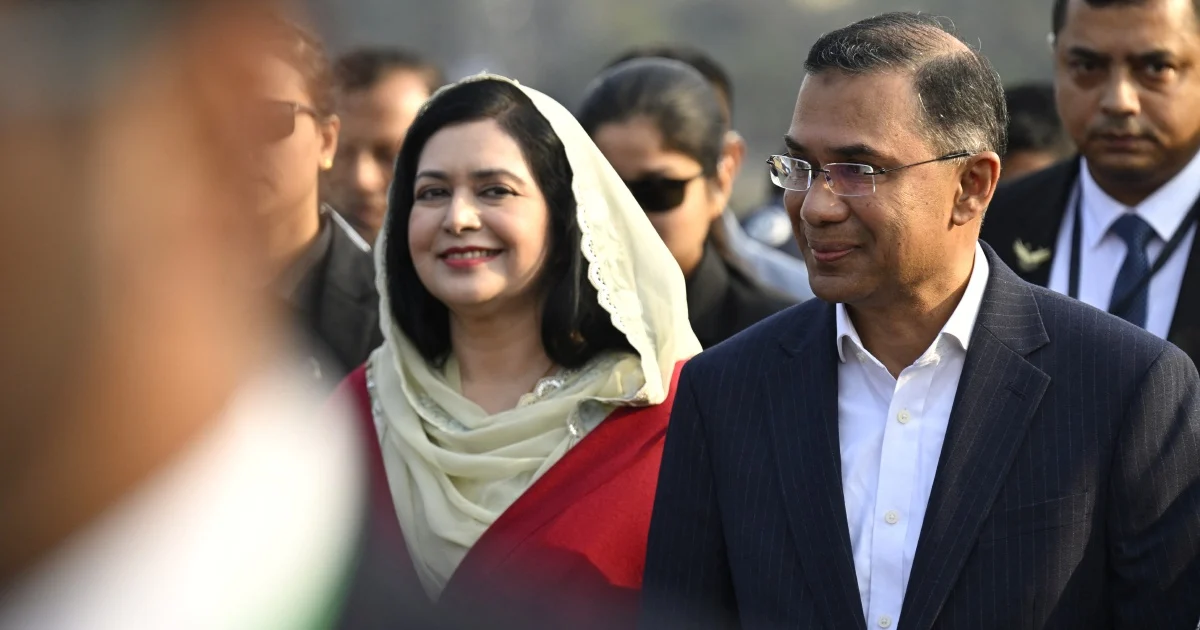
Bangladesh Prime Minister Tarique Rahman is set to arrive in Malaysia this weekend, a visit that business observers view as a pivotal moment for advancing long-stalled negotiations towards a bilateral free trade agreement between the two South Asian and Southeast Asian nations. The timing of the visit comes at a critical juncture for Bangladesh-Malaysia economic relations, with both countries seeking to deepen commercial ties and expand market access across multiple sectors.
According to assessment from the Dhaka-based business community, Rahman's presence in Malaysia is expected to catalyse renewed momentum in FTA discussions that have languished for some time. The visit carries symbolic significance beyond routine diplomatic courtesy, suggesting that senior political leadership from Bangladesh is ready to prioritise trade liberalisation and closer economic integration with Malaysia. Such high-level engagement typically signals renewed commitment from both governments to overcome previous obstacles and accelerate negotiations on contentious issues.
Malaysia and Bangladesh have long recognised the potential for mutual economic benefit, given their complementary strengths in manufacturing, agriculture, and services. Bangladesh's competitive labour costs and growing garment and textile industries align well with Malaysia's position as a regional manufacturing and logistics hub. Similarly, Malaysian expertise in higher-value sectors and technology could support Bangladesh's industrial diversification ambitions. An FTA would theoretically lower tariff barriers and simplify regulatory compliance for exporters on both sides, though achieving such agreements requires navigating complex negotiations around rules of origin, intellectual property protections, and sensitive domestic industries.
The significance of this visit for Malaysian readers extends beyond immediate bilateral considerations. South and Southeast Asian trade integration remains relatively fragmented compared to other global regions, creating inefficiencies and lost opportunities for businesses operating across borders. Malaysia, as ASEAN's third-largest economy and a key trading hub, benefits substantially when it deepens commercial partnerships with major South Asian economies like Bangladesh. Such bilateral arrangements can serve as building blocks towards broader regional frameworks and demonstrate Malaysia's commitment to fostering trade relationships beyond established alliances.
Bangladesh's interest in securing an FTA reflects the country's broader economic positioning amid global supply chain shifts. With manufacturing costs rising in traditional factory economies and global production networks diversifying away from single-country concentration, Bangladesh seeks to leverage its competitive advantages while integrating into regional value chains. An agreement with Malaysia could provide Bangladeshi exporters preferred access to Malaysian markets whilst opening Bangladesh to Malaysian investment in joint ventures and technology transfer initiatives.
For Malaysian exporters and manufacturers, enhanced market access to Bangladesh's 170-million-person domestic market represents significant commercial opportunity. Malaysian enterprises in electronics, machinery, chemicals, and consumer goods could potentially increase sales volumes if tariff walls are reduced through an FTA framework. Malaysian investors might also find Bangladesh attractive for establishing regional manufacturing bases that serve both the South Asian and Southeast Asian markets, benefiting from Bangladesh's lower production costs whilst maintaining proximity to established Malaysian commercial networks.
Previous FTA discussions between these nations have encountered challenges typical of developing-country negotiations, including disagreements over tariff schedules, agricultural protections, and rules of origin definitions. The business community's optimism surrounding Rahman's visit suggests that accumulated experience and evolving circumstances may have created conditions more favourable for breakthrough progress. Both nations have matured considerably in their trade negotiating capacity over recent years, with improved institutional frameworks and clearer understanding of potential mutual gains.
The timing also reflects Bangladesh's broader diplomatic and economic outreach under the new government. Tarique Rahman's administration has signalled priority for strengthening international partnerships and accelerating economic growth following internal political transitions. Malaysia features prominently in this strategy as a neighbouring Southeast Asian success story that Bangladesh seeks to emulate in areas ranging from infrastructure development to manufacturing excellence. Successful FTA negotiations could serve as a flagship achievement demonstrating the new government's commitment to economic pragmatism and regional engagement.
From a Southeast Asian perspective, enhanced Bangladesh-Malaysia trade relationships contribute to deeper regional integration and counter-balance concentration risks in global supply chains. ASEAN members benefit when South Asian partners become more integrated into regional production networks. Malaysia's geographical position and existing trade infrastructure position it well to facilitate such integration, though reaping these benefits requires complementary investments in logistics, standards alignment, and institutional capacity on the Bangladesh side.
The business community's anticipation around this visit reflects recognition that high-level political engagement often precedes substantive commercial breakthroughs. Rahman's presence in Malaysia signals that negotiating teams may finally have authority and political cover to make concessions previously considered impossible. Whether negotiations ultimately succeed depends on both nations' willingness to make difficult compromises on sensitive sectors, but the weekend visit clearly indicates serious intent from Bangladesh's leadership to pursue this agenda actively.
Market observers will be watching closely for any joint statements or announced timelines emerging from the visit. Evidence of concrete progress—whether through agreement on outstanding negotiating issues, establishment of working groups with specific deadlines, or commitment to senior-level negotiations—would signal genuine momentum. The business communities in both nations have invested considerable effort in advocating for an FTA, viewing it as essential infrastructure for deepening commercial relationships in an increasingly competitive regional economy.

