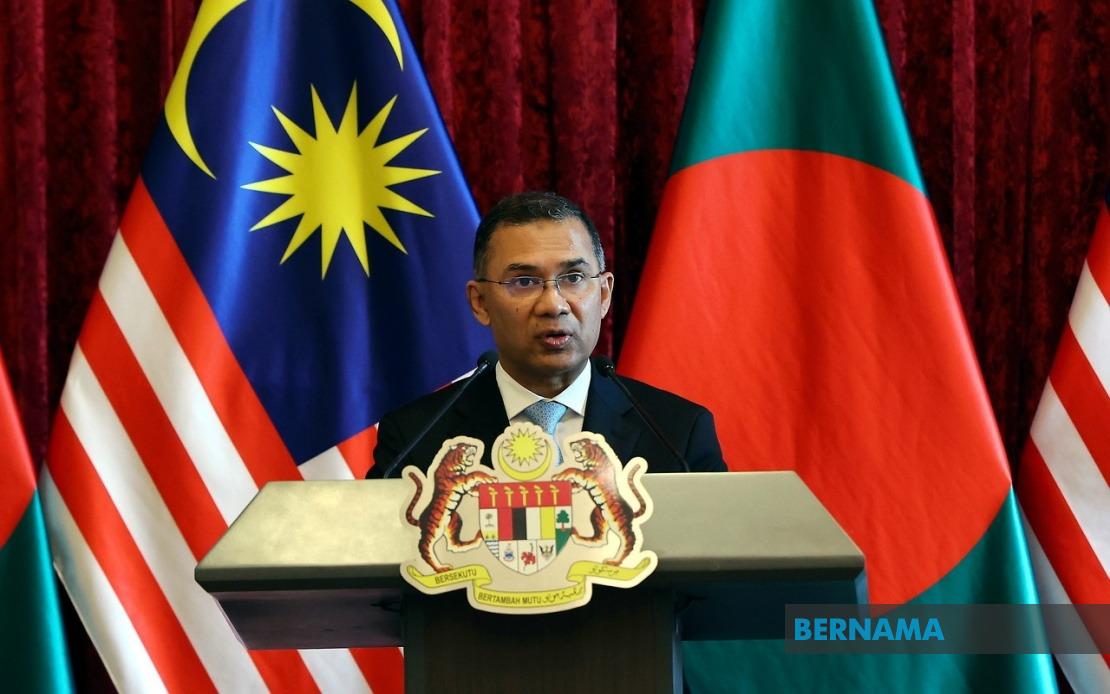
Bangladesh is elevating its strategic ambitions within Southeast Asia, signalling intention to deepen institutional ties with ASEAN while exploring membership in the region's premier trade agreement. Prime Minister Tarique Rahman made the declarations during bilateral engagements with Malaysian counterpart Datuk Seri Anwar Ibrahim in Putrajaya on June 22, framing Bangladesh's regional integration efforts as critical to its economic future and geopolitical positioning.
The South Asian nation's pursuit of ASEAN Sectoral Dialogue Partner status represents a significant diplomatic move, placing it on a trajectory toward potentially deeper institutional involvement in regional frameworks. Such partnerships typically grant non-member states observer status at sectoral meetings and allow participation in dialogue initiatives, creating channels for influence and cooperation on specific issues without full membership obligations. For Bangladesh, which sits geographically and culturally between South Asia and Southeast Asia, this positioning could bridge two major regional blocs and amplify its voice in shaping regional economic and security architecture.
Tarique Rahman's explicit interest in the Regional Comprehensive Economic Partnership carries particular weight, given RCEP's emergence as the world's largest trade agreement by GDP coverage. Membership would integrate Bangladesh more tightly into the supply chains of the ASEAN-6, China, Japan, South Korea, and other partners, offering access to preferential tariff treatment and harmonised trade rules. For a nation increasingly focused on export-driven manufacturing, particularly in textiles and apparel, RCEP membership could facilitate market access and reduce friction in cross-border commerce.
Malaysia's articulated support for Bangladesh's regional integration objectives signals openness from a key ASEAN player to the South Asian nation's closer engagement. This backing is significant because ASEAN decisions, including dialogue partner designations, operate by consensus—meaning Malaysia's endorsement can influence broader receptivity. Anwar Ibrahim's receptiveness underscores Malaysia's strategic interest in strengthening South Asian partnerships and building bridges between the two regions, a theme consistent with Malaysia's broader diplomatic orientation toward inclusive regionalism.
The bilateral meetings produced tangible commitments through the exchange of a Memorandum of Understanding on Cultural Cooperation, demonstrating intent to broaden engagement beyond trade. Additionally, two Exchanges of Notes were signed addressing Counter-Terrorism Research and Investment Promotion and Facilitation, areas reflecting shared vulnerabilities and economic imperatives. These frameworks, though less binding than formal treaties, establish working arrangements and channels for collaboration on transnational challenges that affect both nations' prosperity and security.
Trade dynamics between the two nations provide backdrop for these diplomatic manoeuvres. In 2025, Malaysia-Bangladesh bilateral commerce reached RM12.18 billion, equivalent to approximately US$2.84 billion. Malaysian exports, valued at RM10.08 billion (US$2.35 billion), are heavily concentrated in petroleum products, reflecting Malaysia's energy sector competitiveness. This export composition reveals Bangladesh's substantial energy import dependence, making stable access to Malaysian fuel a strategic consideration. Conversely, Bangladesh contributes RM2.10 billion (US$500 million) in imports, primarily textiles, apparel, and footwear, sectors where the nation possesses significant manufacturing capabilities and competitive labour costs.
Within the South Asian context, Bangladesh ranks as Malaysia's second-largest trading partner, second-largest export destination, and second-largest source of imports, behind only India. This positioning, coupled with Bangladesh's role as Malaysia's 28th-largest global trading partner, illustrates the importance of the relationship for Malaysian manufacturers seeking diversified sourcing and export opportunities. The concentration of Malaysian exports into petroleum products, however, also suggests asymmetry in bilateral trade—with Malaysia supplying commodities and energy while Bangladesh exports processed goods, a pattern typical of trade relationships between resource-rich and labour-rich economies.
Bangladesh's diplomatic positioning reflects its evolution as a regional economic actor of consequence. With a population exceeding 170 million and a manufacturing base anchored in textiles and ready-made garments, the nation presents substantial market and production potential. Yet its location in South Asia, historically separated from ASEAN institutional structures, has constrained its integration into Southeast Asian economic networks. Pursuing closer ASEAN engagement and RCEP membership represents a deliberate strategic recalibration, seeking to position Bangladesh as a bridge economy capable of linking South and Southeast Asian markets, supply chains, and investment flows.
The cultural cooperation framework and security-related exchanges point toward multidimensional relationship-building beyond transactional commerce. Counter-terrorism research collaboration reflects recognition that both nations face transnational security threats, whether from ideological extremism or cross-border criminal networks. Investment promotion initiatives aim to reduce impediments to Malaysian businesses establishing operations in Bangladesh and vice versa, addressing regulatory uncertainties and facilitating capital flows. These incremental institutional developments, accumulated over time, can substantially enhance bilateral relations and create constituencies within both governments and private sectors with vested interests in relationship continuity and deepening.
For Malaysia specifically, Bangladesh's closer regional engagement offers complementary advantages. Strengthening ties with South Asian manufacturing hubs diversifies Malaysian companies' supply chain dependencies, reducing exposure to geopolitical disruptions in any single region. Additionally, Bangladesh's development trajectory and growing purchasing power present expanded markets for Malaysian goods and services, from petrochemicals to financial services. Supporting Bangladesh's integration into regional frameworks like ASEAN and RCEP aligns with Malaysia's broader narrative of inclusive regionalism and South-South cooperation, positioning the nation as a constructive partner in Asian affairs.
The timing of Bangladesh's diplomatic push reflects broader Southeast Asian economic dynamics and regional competition for influence. As ASEAN members weigh dialogue partner applications and trade deepening, Bangladesh's application arrives amid intensifying geoeconomic competition and efforts to construct resilient regional supply chains independent of great-power dynamics. Bangladesh's potential membership in RCEP and closer ASEAN engagement would further consolidate the agreement as a genuinely pan-Asian framework, strengthening its legitimacy and coverage. For ASEAN itself, expanding dialogue partnerships with South Asian nations like Bangladesh addresses historical imbalances and creates multilateral mechanisms for addressing transnational issues spanning South and Southeast Asia.
Rahman's personal invitation to Anwar Ibrahim to visit Bangladesh, extended during the Putrajaya meetings, underscores the relational dimension of statecraft. Such invitations, particularly when publicised, signal equality and mutual respect between nations while creating opportunities for deeper personal rapport among leaders. Such relationships, developed through repeated high-level contact, frequently translate into political will for tackling practical cooperation obstacles and securing legislative or bureaucratic support for bilateral initiatives that might otherwise languish.
Moving forward, Bangladesh's trajectory within Asian regionalism will depend substantially on ASEAN members' receptiveness and the pace at which RCEP implementation produces tangible benefits justifying membership expansion. Malaysia's demonstrated support provides diplomatic capital, though consensus-based decision-making means other ASEAN voices matter equally. For Malaysian policymakers and businesses, Bangladesh's integration into regional frameworks presents opportunities to expand economic partnerships and influence regional dynamics favourably, making support for Bangladesh's aspirations a strategically rational investment in a more interconnected, prosperous Asian order.

