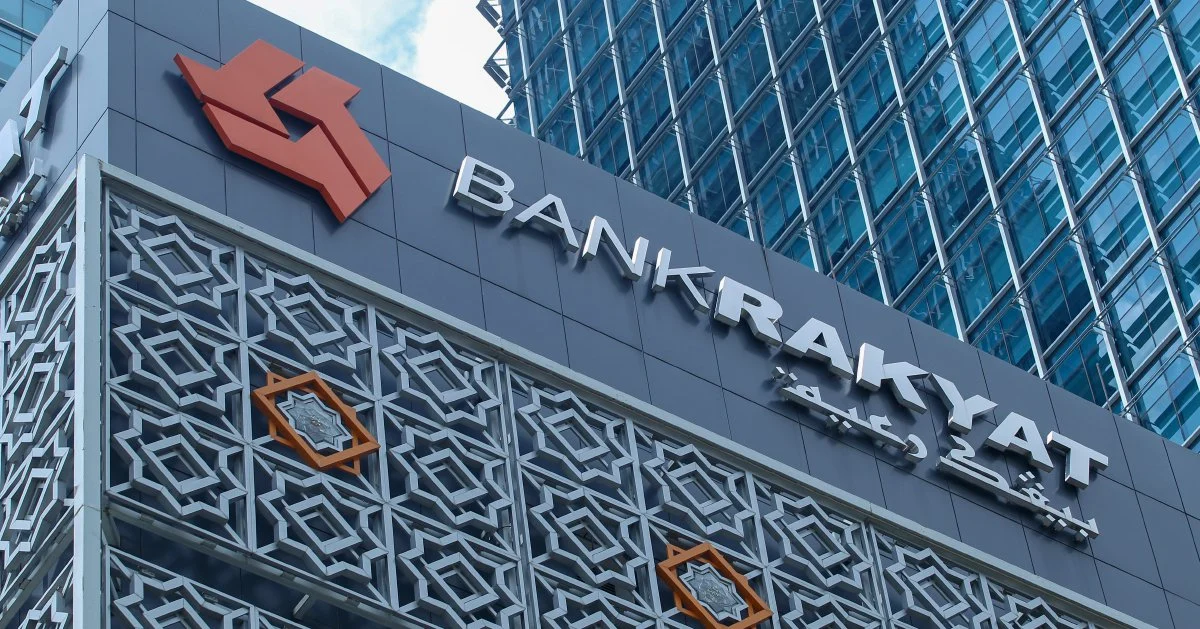
Bank Rakyat has successfully raised RM300 million through an Islamic bond issuance, marking a strategic move to fortify its capital base as the institution pursues expansion initiatives across the Malaysian financial landscape. The fundraising exercise was conducted under the development financial institution's overarching RM5 billion subordinated sukuk Murabahah programme, demonstrating confidence in the institution's credit standing and its ability to access Islamic financing markets at a time when domestic capital markets remain active.
The sukuk issuance reflects a deliberate capital management strategy for Bank Rakyat, one of Malaysia's key players in the development finance sector. By tapping Islamic capital markets rather than conventional debt instruments, the institution signals its commitment to Shariah-compliant funding mechanisms—a positioning that resonates with Malaysia's broader ambitions to position itself as a global Islamic financial hub. The subordinated nature of the sukuk means that in the event of financial distress, these instruments rank below conventional deposits and senior debt, making them suitable for regulatory capital calculation purposes under Basel III and local banking requirements.
The RM5 billion subordinated sukuk Murabahah programme provides Bank Rakyat with a structured framework for accessing capital markets over an extended period. Rather than conducting one-off fundraising exercises, this overarching programme enables the institution to issue tranches opportunistically as capital needs arise and market conditions prove favourable. The RM300 million tranche released recently represents a measured approach to capital accumulation, allowing the bank to avoid diluting equity while still substantially bolstering its financial cushion against operational risks and regulatory requirements.
Capital strengthening has become increasingly important for Malaysian financial institutions navigating a complex domestic and regional operating environment. Banks must maintain sufficient capital buffers to absorb potential losses, support lending expansion, and comply with regulatory frameworks set by Bank Negara Malaysia. For a development finance institution like Bank Rakyat, which focuses on serving underserved segments of the population and supporting small-to-medium enterprises, maintaining robust capital is essential for sustaining credit availability during economic downturns and meeting the evolving needs of its customer base.
The use of Murabahah-based sukuk—Islamic financing contracts structured around the purchase and resale of assets at an agreed markup—offers both the issuer and investors a transparent, widely accepted Islamic financing structure. This makes such instruments attractive to Malaysia's substantial base of Islamic wealth managers, institutional investors, and insurance companies seeking Shariah-compliant investments. The Murabahah approach also facilitates international investor participation from the broader Organisation of Islamic Cooperation sphere, potentially expanding Bank Rakyat's investor base beyond domestic markets.
Bank Rakyat's capital initiatives arrive at a juncture when Malaysian development finance institutions are grappling with mounting credit demand. The nation's drive towards inclusive economic growth, digitalization, and green financing has elevated expectations for development banks to channel capital towards priority sectors including renewable energy, affordable housing, and enterprise development. With this capital injection, Bank Rakyat is positioning itself to respond more robustly to these demands without overstretching its existing capital adequacy ratios, which regulators scrutinize closely.
The sukuk market itself has demonstrated consistent depth and liquidity in Malaysia, supported by sustained demand from institutional investors and a regulatory framework that encourages Islamic capital market development. Bank Negara Malaysia has consistently promoted sukuk issuance as part of its broader Islamic financial sector strategy, and the recent issuance by Bank Rakyat exemplifies how development financial institutions are leveraging this market infrastructure. The pricing and reception of Bank Rakyat's sukuk offering would reflect market perceptions of the institution's creditworthiness and growth prospects—metrics that influence how readily it can access future capital on favourable terms.
Looking forward, the RM4.7 billion remaining under Bank Rakyat's sukuk programme provides considerable flexibility for future capital raising. Should the institution identify substantial expansion opportunities or face unexpected capital pressures, it possesses an already-established conduit for accessing investors without undertaking the lengthy regulatory approval processes required for new programmes. This pre-authorization approach reduces transaction costs and accelerates capital deployment when strategic imperatives demand rapid action.
For Malaysian investors and stakeholders, Bank Rakyat's capital strengthening carries broader implications. A more robustly capitalized development finance institution can extend more credit to underserved sectors, potentially stimulating entrepreneurial activity and economic participation among segments traditionally excluded from mainstream banking. Simultaneously, investors holding Bank Rakyat's sukuk benefit from the implicit policy support extended to development banks as strategic economic actors, though subordinated instruments carry greater risk than senior debt or deposits.
The issuance also underscores Malaysia's maturing Islamic financial ecosystem, where development banks can access capital markets as readily as commercial institutions, albeit through Shariah-compliant mechanisms. This normalization of sukuk financing across institution types and sectors demonstrates the sophistication and accessibility of Malaysia's Islamic capital markets—a competitive advantage in an era when global wealth increasingly seeks ethical and faith-aligned investment vehicles.

