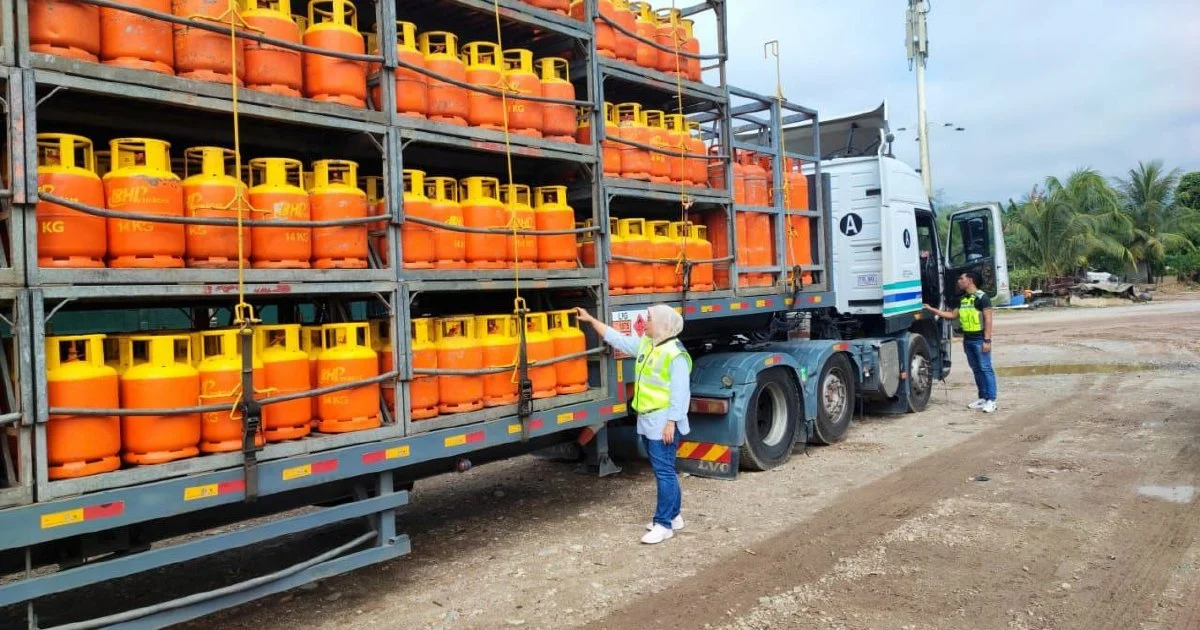
Enforcement authorities have uncovered a significant cache of liquefied petroleum gas cylinders during a raid conducted at a fenced storage compound in Bentong. The operation resulted in the seizure of LPG tanks valued at RM405,000, which were discovered stored on a trailer within the secured facility.
The discovery raises concerns about the storage and handling of potentially hazardous materials in the Pahang district. LPG, commonly used for domestic heating and commercial cooking purposes throughout Malaysia, falls under strict regulatory oversight due to its flammable nature. The sheer quantity and market value of the seized cylinders suggest this may not have been a case of minor regulatory non-compliance but rather an operation involving significant quantities of the controlled substance.
The enforcement operation reflects ongoing efforts by authorities to monitor distribution channels and storage facilities for gas cylinders across the country. Such raids are typically conducted in response to intelligence suggesting unlicensed storage, theft of cylinders, or violations of safety protocols established by Malaysia's energy regulator and relevant municipal authorities. The fenced nature of the facility indicates an attempt to secure the site, though apparently not to the standards required by regulatory bodies.
Liquefied petroleum gas remains a critical commodity in Malaysia, particularly in household applications where it provides affordable energy for cooking. However, improper storage and handling pose serious safety risks, including potential explosions and environmental hazards. The discovery in Bentong underscores the importance of enforcement operations in preventing dangerous materials from entering unregulated supply chains that could endanger public safety.
The Bentong district, located in Pahang, has historically been subject to periodic enforcement sweeps targeting various contraband and unlicensed commercial activities. This latest operation appears consistent with authorities' broader strategy to tighten oversight of essential commodities, ensuring they remain within licensed distribution networks subject to proper safety inspections and quality control measures.
The value placed on the seized cylinders—RM405,000—indicates that authorities assess the cache at wholesale or replacement cost rather than retail value. This suggests the quantities involved were substantial enough to warrant commercial-scale operations, pointing toward either theft recovery or detection of an unlicensed distribution network operating outside regulatory frameworks.
Enforcement agencies responsible for energy security and consumer protection have increasingly emphasised the dangers posed by illicit gas cylinder markets. Beyond safety concerns, unlicensed operations deprive the government of tax revenues and undermine legitimate businesses operating within legal parameters. The Bentong discovery demonstrates that such operations continue despite regulatory efforts, requiring sustained vigilance from authorities.
The seizure also highlights vulnerabilities in the supply chain for essential commodities in smaller towns and district-level communities. Bentong's location, some distance from major urban centres, may have made it an attractive location for illicit operations attempting to operate beyond the immediate reach of regulatory oversight typically concentrated in larger population centres.
Moving forward, the discovery will likely prompt reviews of storage facility approvals and monitoring protocols in the Bentong area. Authorities may intensify inspections of similar compounds and review licensing requirements for gas-related commercial operations. The case serves as a reminder to businesses and residents about the importance of sourcing LPG through licensed distributors who ensure proper safety standards and regulatory compliance.
For Malaysian consumers, such enforcement actions reinforce the importance of purchasing LPG cylinders exclusively from recognised, licensed suppliers. These suppliers maintain rigorous safety standards, conduct regular inspections, and ensure traceability throughout the supply chain. Purchasing from unofficial channels not only supports illegal operations but exposes households to potentially dangerous cylinders that may lack proper maintenance and safety certifications.
The successful detection of this cache demonstrates that enforcement agencies, despite resource constraints and the vast scale of territorial coverage, continue to pursue violations in the energy sector. As Malaysia works toward more efficient and diversified energy sources, oversight of traditional fuel distribution remains crucial for maintaining both consumer safety and regulatory integrity across the nation.

