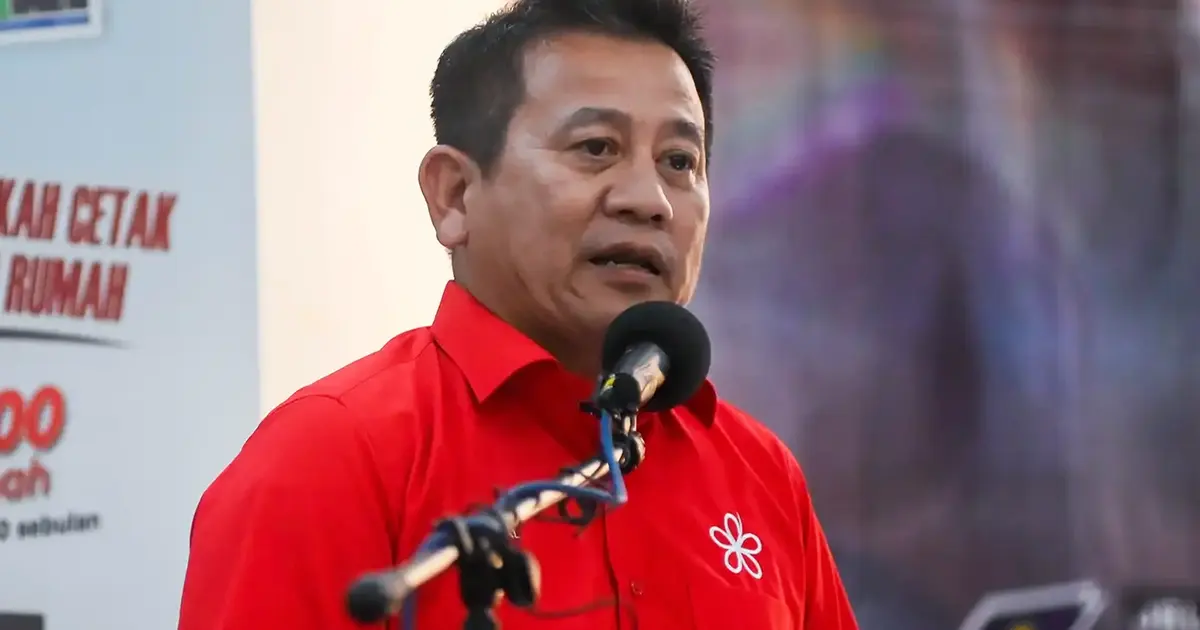
Tension within Malaysia's Perikatan Nationale coalition has surfaced anew, with a senior Bersatu official publicly questioning the motives behind PAS's role in recent organisational changes. Tun Faisal Ismail Aziz, who serves as the party's information chief, contends that the Islamist party's conduct reveals an increasingly autocratic operating style that threatens the unity and democratic functioning of the broader opposition alliance.
The reshuffle in question appears to have restructured key positions and responsibilities across PN's machinery, a routine exercise in coalition management that ordinarily attracts minimal scrutiny. However, Tun Faisal's intervention suggests deeper frustrations are simmering beneath the surface, hinting at strategic disagreements over how power and influence should be distributed among the coalition's constituent parties. His decision to air these grievances publicly rather than through private channels signals that intra-coalition discord has reached a threshold where public accountability has become necessary.
Bersatu, the breakaway party founded by former Prime Minister Mahathir Mohamad and now led by Tan Sri Muhyiddin Yassin, has historically positioned itself as a centrist, multi-ethnic formation within PN. This identity places it in potential ideological tension with PAS, which campaigns primarily on conservative Islamic platforms and has cultivated a substantial grassroots base across rural constituencies. The allegation of PAS authoritarianism touches on a fundamental worry among Bersatu members: that their party's voice and interests may be marginalised within PN's decision-making architecture.
The notion that one coalition partner is consolidating disproportionate control carries serious implications for PN's longevity and electoral performance. Malaysian coalition politics has repeatedly demonstrated that alliances fracture when smaller or comparatively disadvantaged partners perceive themselves as subordinate rather than equal stakeholders. If Bersatu members come to believe that they operate within a PAS-dominated hierarchy rather than a genuine partnership, disaffection could spread, weakening PN's cohesion ahead of any anticipated national elections.
For observers tracking Malaysian politics, these tensions reflect broader structural vulnerabilities in opposition coalitions. Unlike the ruling Barisan Nasional, which evolved over decades with relatively stable power-sharing conventions, PN remains a relatively young coalition without deeply embedded agreements on resource allocation and leadership succession. PAS, buoyed by its commanding presence in several states including Kelantan, Terengganu, and Kedah, has grown increasingly influential within PN's strategic planning. This asymmetry of strength creates precisely the conditions for domination concerns to emerge from less-dominant partners.
Tun Faisal's characterisation of PAS's approach as displaying authoritarian characteristics also invites scrutiny into PN's internal governance standards. A coalition that aspires to govern must demonstrate healthy democratic practices within its own structures. If the partnership tolerates or enables one party to exercise unilateral control over decisions affecting the collective enterprise, this raises questions about how such an arrangement would manage national governance, where competing interests from parliament, cabinet, and the bureaucracy require sophisticated compromise-building.
The political significance of this dispute extends beyond internal coalition mechanics. A weakened or fractious PN benefits the ruling coalition and potentially complicates opposition efforts to mount a credible electoral alternative before the next general election. Malaysian voters weighing their ballot choices typically privilege stability and coherence over internal wrangling. Public accusations of authoritarian conduct within the opposition alliance reinforce perceptions that PN lacks the organisational maturity and trust necessary to govern effectively.
Bersatu faces a strategic calculus in the months ahead. The party must weigh whether continued membership in PN offers adequate influence and advancement opportunities for its cadre, or whether alternative political configurations—including rapprochement with Pakatan Harapan components—might better serve its interests. Tun Faisal's intervention signals that the party leadership is signalling discontent, a warning shot that cannot be ignored by PAS without risking further deterioration in the partnership.
For PAS, the accusation demands careful management. The party risks being typecast as domineering if it dismisses Bersatu's concerns outright, yet cannot appear weak by readily ceding influence. PAS's response will signal whether it views PN primarily as a vehicle for advancing Islamist agenda, or as a genuinely collaborative structure where diverse viewpoints merit consideration in decision-making processes.
The resolution of this tension will substantially influence PN's trajectory heading toward the next electoral cycle. Coalition partners must negotiate not merely the distribution of ministerial portfolios and campaign resources, but deeper questions about shared vision, mutual respect, and commitment to collective success. Without addressing these fundamental concerns, PN risks becoming a coalition in name only, with members pursuing divergent agendas while remaining nominally aligned.