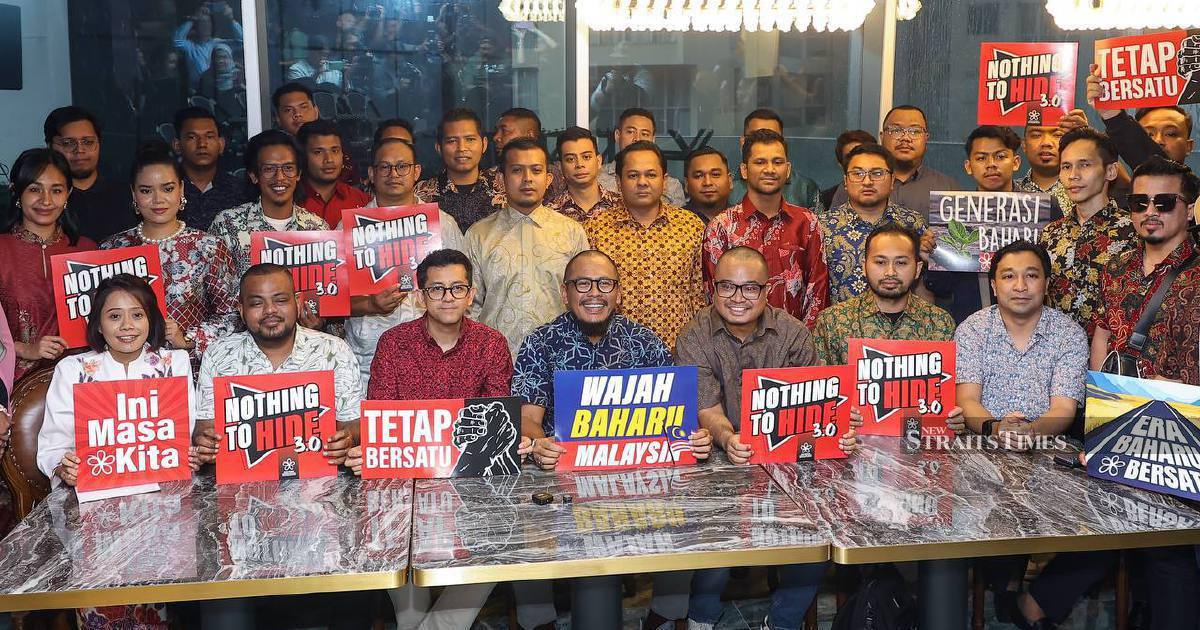
Tensions that have simmered between Pas and Bersatu within the governing Perikatan Nasional coalition appear to be heading towards resolution, according to Kota Siputeh assemblyman Mohd Ashraf Mustaqim Abdul Munir. The political friction that has characterised the partnership between the two parties in recent weeks need not signal a permanent breach, the assemblyman suggested, framing the dispute in unexpectedly domestic terms that highlight the pragmatic reality of coalition politics in Malaysia.
The comparison Mohd Ashraf offered—likening PN allies to a married couple navigating disagreements under one roof—captures an essential truth about Malaysia's complex political architecture. Coalition governments require parties with distinct ideological positions and electoral bases to work alongside one another, often forcing compromises that neither faction finds entirely satisfactory. Yet the resilience of these arrangements frequently depends less on perfect alignment than on mutual acknowledgment that separation carries higher costs than coexistence. For Pas and Bersatu, the imperative to maintain unity becomes more acute given their combined parliamentary strength and role in sustaining federal administration.
The recent strains within PN have reflected deeper anxieties about influence, resource allocation, and policy direction that have plagued the coalition since its formal establishment. Both parties bring substantial parliamentary numbers and distinct constituencies—Pas commanding strong support among traditionalist Muslim voters while Bersatu, built from defectors from Umno and PKR, seeks to position itself as a modernising force capable of appealing across demographic lines. When friction emerges, it typically stems from disagreements over ministerial portfolios, policy priorities, or perceptions that one partner is advancing its interests at the expense of the other.
The framework Mohd Ashraf employed suggests that PN leadership has shifted toward viewing conflict management as an ongoing necessity rather than a symptom of terminal dysfunction. In this interpretation, the bickering between Pas and Bersatu, while publically uncomfortable and potentially destabilising, remains within bounds that coalition partners can navigate through dialogue and incremental adjustment. This contrasts sharply with scenarios where fundamental incompatibility leads to rupture, as occurred between Umno and Pas following the 2008 election, or between Pkr and Dap during the Perikatan Harapan period.
For Malaysian politics broadly, the implications of sustained PN cohesion extend beyond the immediate comfort of coalition partners. Perikatan Nasional's stability has become increasingly central to federal governance following the 2022 general election results, which produced a hung parliament and necessitated complex power-sharing arrangements. The subsequent appointment of Anwar Ibrahim as Prime Minister and formation of the unity government created a new political configuration, yet PN's internal dynamics remain relevant to potential future shifts in political alignment and to the question of whether alternative governing coalitions might emerge.
Mohd Ashraf's optimism must be weighed against the historical pattern of coalition tensions in Malaysian politics, where public statements of confidence have sometimes preceded rather than prevented deeper ruptures. The willingness of party leaders to make reassuring public comments does indicate commitment to maintaining appearances of unity, but such rhetoric also serves to manage market expectations among supporters who might otherwise grow anxious about their party's position. The timing and context of his remarks suggest a deliberate effort to stabilise perceptions following a period of elevated friction.
The Pas-Bersatu relationship carries additional significance given their respective roles within PN's broader coalition dynamics. Pas's stronghold in Terengganu and other east coast states provides crucial electoral ballast, while Bersatu's positioning as a potential bridge between Umno-aligned and reformist constituencies gives it disproportionate influence over coalition arithmetic and negotiating power. Any serious rupture between these two would fundamentally reshape PN's character and viability as a governing force.
Repair work within coalition relationships typically requires concessions from both sides—symbolic gestures that demonstrate mutual respect, alongside substantive adjustments in resource sharing or policy emphasis. The fact that PN leadership has allowed the dispute to become public while simultaneously signalling commitment to resolution suggests that informal channels have already begun processing grievances and identifying acceptable compromises. Such behind-the-scenes work often precedes public declarations of restored harmony.
Looking ahead, the resilience of Pas-Bersatu relations will likely depend on how effectively the parties manage fundamental questions about PN's trajectory and purpose. Whether the coalition exists primarily to maintain administrative control, to advance specific ideological agendas, or to position itself as an electoral alternative to the unity government remains contested. Resolution of current tensions may provide breathing room but cannot address these deeper strategic questions indefinitely.
For observers of Malaysian politics, Mohd Ashraf's measured optimism reflects a realistic assessment that coalition tensions are endemic rather than exceptional. The married couple analogy, while perhaps understating the stakes involved, aptly captures the simultaneous inevitability and manageability of disputes among political allies with distinct identities and interests. Whether this particular coalition proves as durable as mature marriages remain to be tested by future pressures and shifts in electoral dynamics.

