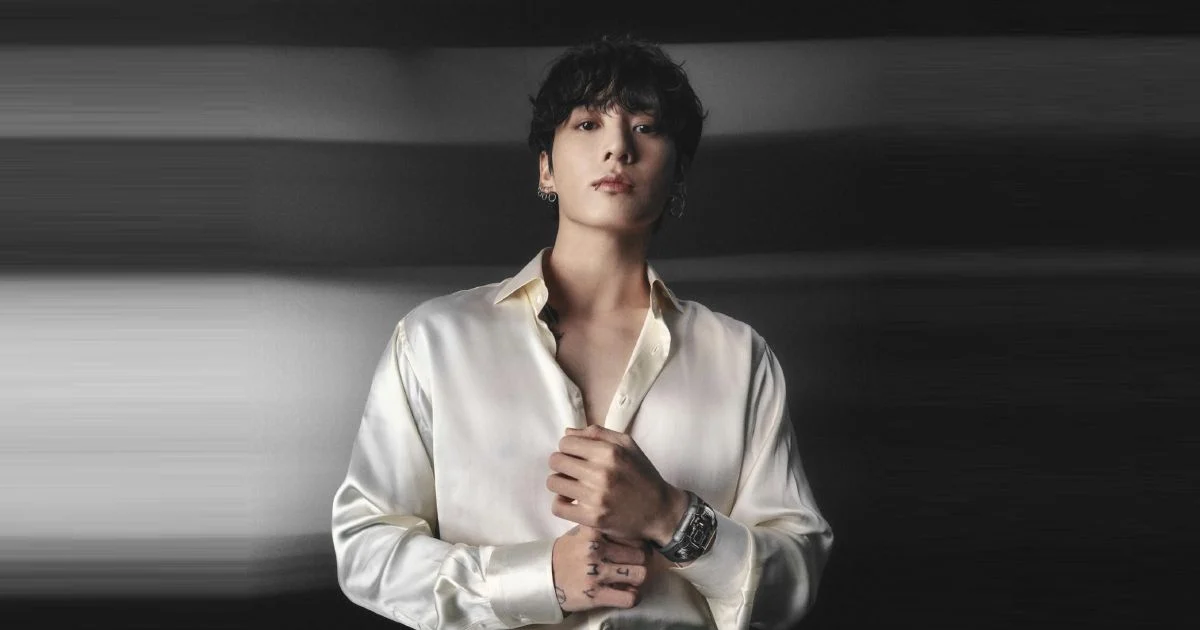
A Brazilian woman who subjected BTS member Jungkook to an extended campaign of obsessive stalking has been handed a suspended jail sentence by Seoul courts, with authorities now moving to deport her from South Korea. The case represents one of the most extreme examples of fan harassment involving a major K-pop star, highlighting the growing security concerns faced by celebrities in the region.
The extent of the harassment was staggering. On a single occasion, the woman repeatedly pressed Jungkook's doorbell 133 times, an act that encapsulates the relentless nature of her pursuit. This episode was neither isolated nor the worst behaviour documented during her campaign—it was merely one of numerous incidents that prompted authorities to take action. The sheer volume of intrusions illustrates how obsessive fan behaviour can escalate beyond occasional appearances to become a systematic invasion of a person's private space and sense of safety.
What distinguishes this case is the stalker's deliberate disregard for official warnings and legal restraints. South Korean law enforcement issued multiple warnings, which she ignored. More significantly, she violated a court-issued exclusion order explicitly designed to keep her away from Jungkook and his residence. Such breaches suggest a psychological fixation that transcended rational response to authority, transforming what might begin as enthusiastic fan devotion into dangerous criminal conduct.
Jungkook, the youngest member of BTS, has endured considerable public attention as part of arguably the world's largest boy band. However, the distinction between admiration and criminal harassment is absolute. The K-pop industry, while built substantially on fan engagement and parasocial relationships, has increasingly confronted the dark side of such dynamics. Jungkook's experience exemplifies how the intensity of modern fan culture, amplified by social media and streaming platforms, can enable individuals to develop obsessive connections with celebrities they will never meet.
The suspended sentence handed down by Seoul courts represents a measured but firm response. Rather than imposing immediate imprisonment, the court balanced punishment with rehabilitation possibilities, though the condition carries the implicit threat of activation should the stalker reoffend. This approach reflects broader trends in South Korean jurisprudence, where suspended sentences are employed strategically to deter future behaviour while acknowledging that not all cases warrant immediate custodial punishment.
The deportation order, however, constitutes the more consequential outcome. Removing a foreign national who has demonstrated such persistent disregard for legal boundaries effectively eliminates her ability to continue the harassment within South Korea's borders. This measure protects not only Jungkook but sends a clear message to other potential offenders that entry to South Korea does not grant immunity from consequences, regardless of one's nationality. For international stalkers, it represents the ultimate consequence: permanent exclusion from the country and, more importantly, from the object of their obsession.
For Malaysian audiences and Southeast Asian readers more broadly, this case carries significant implications. As K-pop fandom remains exceptionally strong throughout the region, with substantial fan communities in Malaysia, Singapore, and beyond, such incidents underscore the responsibility both fans and platforms bear in maintaining healthy boundaries. The case demonstrates that excessive fan behaviour can rapidly cross from enthusiastic support into territory that endangers celebrities' physical safety and mental wellbeing.
The incident also highlights the particular vulnerability of K-pop stars, who often live and work in major urban centres where access is theoretically easier than for celebrities in less dense environments. Seoul's concentration of entertainment companies, recording studios, and celebrity residences creates a challenging security landscape that requires constant vigilance. For international artists and those visiting the region for tours or appearances, this dynamic presents ongoing practical challenges.
Furthermore, the case raises questions about the platforms and systems that enable such obsessive behaviour to flourish. Social media, location-sharing applications, and fan communities, while valuable for maintaining artist-fan connections, can inadvertently provide tools for those with troubling intentions. The entertainment industry, regulators, and platform operators continue grappling with where to draw lines between fostering supportive communities and preventing harassment networks.
From a broader perspective, Jungkook's case joins a growing catalogue of K-pop star harassment incidents that have prompted industry-wide discussions about fan conduct and security protocols. Major agencies now implement stricter access controls, employ security personnel trained in threat assessment, and work closely with law enforcement. Yet the international nature of fandom means that individuals from virtually any country can become fixated on Korean celebrities, complicating preventive efforts.
The resolution of this particular case, while providing some closure for Jungkook and BTS, inevitably raises awareness of the problem without fully solving it. Other fans may read about the consequences and reconsider their behaviour, or conversely, the high-profile outcome might inspire copycat incidents. The challenge facing the K-pop industry, security experts, and authorities across Asia is developing comprehensive approaches that protect celebrity safety while respecting legitimate fan engagement and cultural expression.

