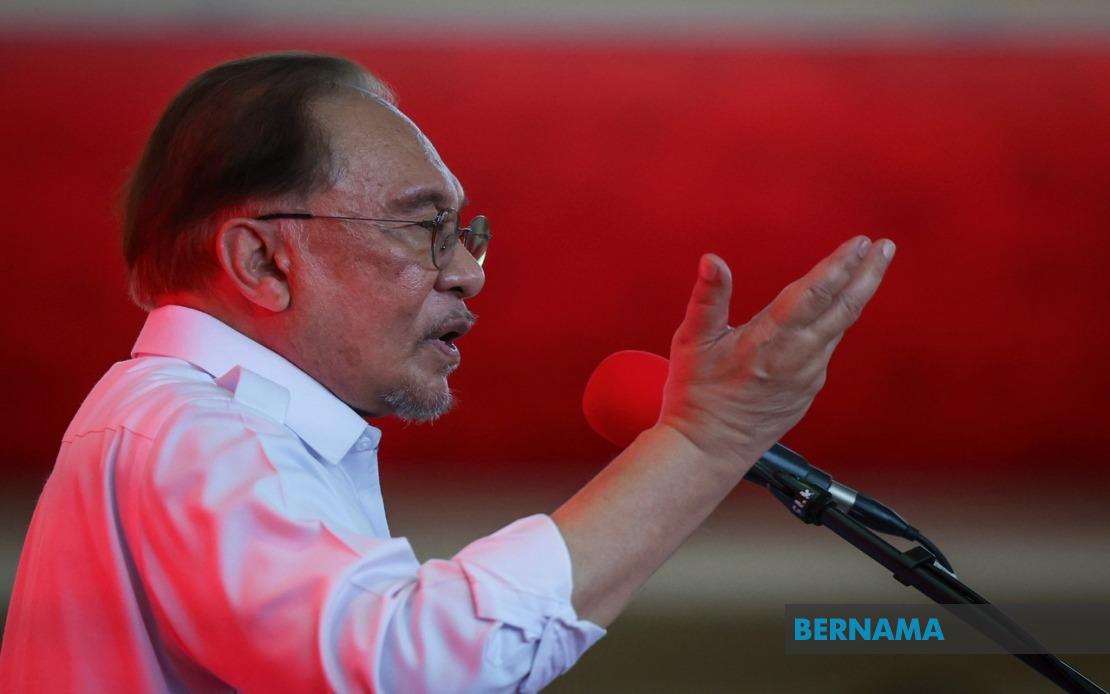
Prime Minister Datuk Seri Anwar Ibrahim has confirmed that the Cabinet will determine on Wednesday whether the Royal Commission of Inquiry report into Lembaga Tabung Haji should be released to the public. Speaking in Tampin on July 27, Anwar indicated that the contentious matter would feature prominently at the weekly Cabinet meeting, where ministers would weigh the arguments for and against disclosure before reaching a final decision.
The timing of this announcement comes after sustained public and political pressure for transparency regarding the inquiry's findings. Tabung Haji, Malaysia's largest pilgrimage savings institution serving Muslim Malaysians, has faced scrutiny over allegations relating to the disposal of its strategic assets. The RCI was established to investigate these transactions and determine whether proper governance standards were maintained during the asset sales.
Anwar's comments signal a shift towards greater openness on the matter. Just days earlier, on July 20, the Prime Minister had stated that the government was ready to make the report available shortly, pending consultation with the Chief Secretary to the Government about the proper procedures for handling the document. His latest statement suggests that internal deliberations have progressed to the point where a concrete decision is now imminent.
The Prime Minister articulated a principled approach to the situation, emphasising that transparency and accountability must be matched with proper legal process. He stressed that if the report uncovers no wrongdoing, those cleared should stand with confidence behind their record. Conversely, if misconduct is identified, the appropriate judicial mechanisms should be activated to pursue justice. Anwar underscored that these determinations fall squarely within the purview of investigating authorities, the Attorney General's office, and the courts—not the Prime Minister's remit.
This delineation of responsibilities reflects Anwar's broader vision of institutional independence within Malaysia's governance framework. By emphasising that his role as Prime Minister does not extend to orchestrating investigations or determining prosecutions, he is reinforcing the principle of separation of powers. Such clarity is particularly significant given Malaysia's recent history of political controversy surrounding the use of government authority for selective investigation and prosecution.
The Tabung Haji inquiry carries broader implications for Malaysian governance and public trust in state institutions. The pilgrim fund manages hundreds of thousands of accounts and mobilises billions of ringgit annually from ordinary Malaysians saving for the hajj pilgrimage. Any mismanagement or improper asset disposition therefore affects the retirement and religious aspirations of a substantial segment of the population. Public disclosure of the RCI findings would allow stakeholders and the broader citizenry to understand what occurred and whether systemic safeguards functioned adequately.
From a regional perspective, Malaysia's handling of the Tabung Haji investigation demonstrates how Southeast Asian democracies navigate the tension between transparency and institutional propriety. The decision to release the report would signal confidence in Malaysia's investigative and judicial institutions and reinforce the principle that public entities handling citizen funds must operate under public scrutiny. Conversely, prolonged withholding of the findings risks deepening public scepticism about whether genuine accountability exists or whether powerful interests are being shielded.
The Cabinet's forthcoming deliberation will likely consider several factors beyond the merits of the allegations themselves. Senior officials present at the Tampin event included Chief Secretary to the Government Tan Sri Shamsul Azri Abu Bakar, whose office oversees government administration and presumably has views on how the report should be handled. The involvement of Defence Ministry representatives and military leadership suggests that the occasion primarily involved other governmental matters, though the Prime Minister used the opportunity to provide an update on the Tabung Haji timeline.
Anwar's insistence that the report be released reflects his administration's stated commitment to good governance and institutional reform. Since taking office, his government has emphasised moving beyond the patronage networks and political instrumentalisation of state bodies that characterised previous administrations. Making the Tabung Haji RCI findings public would demonstrate concrete commitment to that agenda and differentiate his approach from predecessors accused of selectively deploying investigative powers.
The week ahead will prove crucial for Malaysian civil society and observers of institutional accountability. Should the Cabinet approve release, the substance of the report will immediately become the focus of scrutiny, with analysts, political commentators, and affected parties dissecting its conclusions and recommendations. The nature of any findings—whether they implicate former leadership, identify systemic weaknesses, or exonerate those investigated—will reverberate through Malaysian politics and likely influence public confidence in both Tabung Haji's governance and the broader integrity of state institutions.
The Prime Minister's language suggests genuine conviction that transparency serves the national interest more than concealment. His argument that institutional processes should operate without prime ministerial interference carries particular weight in the Malaysian context, where historical precedent shows executive overreach corroding public faith in justice systems. By framing the decision as one properly belonging to Cabinet and subsequent proper authorities, Anwar positions his government as respecting established constitutional boundaries even when political pressures might tempt deviation.
Looking forward, the Cabinet's decision on Wednesday will establish an important precedent for how the current administration treats institutional accountability and public access to investigative findings. That decision will likely set expectations for how future inquiries and investigations are handled, potentially influencing the government's credibility on governance reform commitments that remain central to its political platform.

