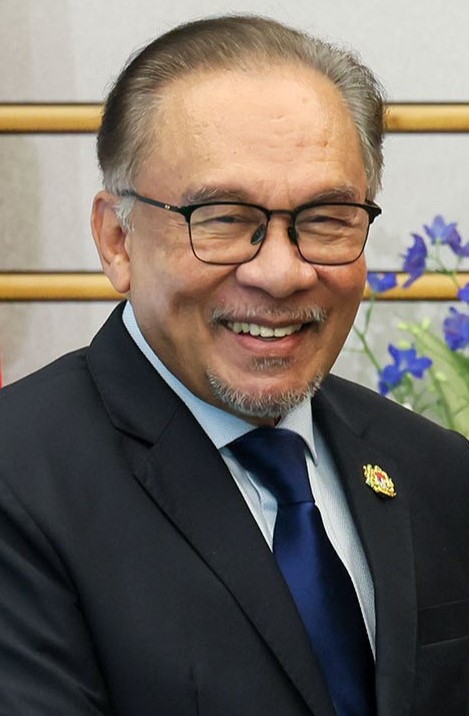
Cambodia is reshaping its economic ambitions by targeting investment from South Korean manufacturers in advanced sectors including automotive components, electric vehicle systems, and healthcare technology. Deputy Prime Minister Sun Chanthol, representing the Council for the Development of Cambodia, spearheaded a high-profile investment mission to Incheon in mid-June to showcase opportunities and encourage Korean companies to expand operations in the Kingdom. The diplomatic push reflects a deliberate government strategy to transition beyond the garment manufacturing dominance that has defined the Cambodian economy for decades, towards industries offering greater value, technology transfer, and regional supply-chain integration.
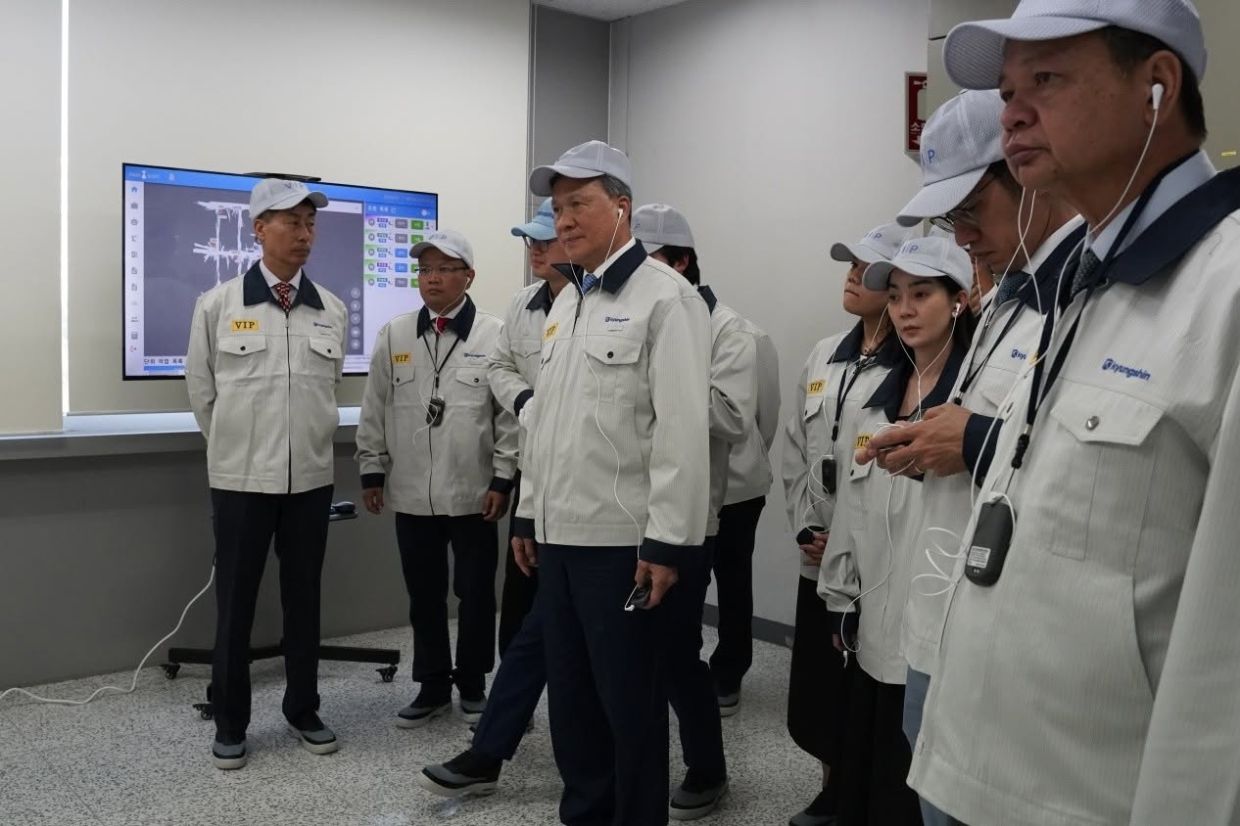
Chanthol's delegation engaged directly with established Korean manufacturers already operating in Cambodia, signalling that the government seeks not merely to attract new investors but to deepen relationships with companies that have demonstrated commitment to the market. The mission featured visits to major conglomerates and specialized producers, paired with a formal investment roadshow organised jointly by Cambodia's Council for the Development of Cambodia and the Incheon Chamber of Commerce and Industry. During the roadshow, Chanthol underscored the government's commitment to facilitating Korean investment, highlighting Cambodia's legal framework, tax incentives, macroeconomic stability, and investor protection mechanisms under the new Law on Investment of the Kingdom of Cambodia.
The delegation's encounter with Daejoo KC Group exemplified this approach. The conglomerate, with diversified operations spanning metallurgy, chemicals, logistics, construction, automotive components, and energy, already maintains significant presence in Cambodia through two subsidiaries. Camko Motor assembles Hyundai vehicles for domestic consumption and manufactures automotive wire harnesses for export, generating approximately 500 jobs. Camko Infracore handles vehicle imports and maintenance services. Rather than pitching the Kingdom as entirely new territory, Cambodian officials positioned themselves as partners ready to facilitate expansion of these companies' existing footprints into complementary sectors and higher-value production lines.
A second major engagement involved Kyungshin Co., Ltd., a specialist in automotive electronic components and wire harness manufacturing with roots dating to 1974. The company produces advanced systems for electric vehicles and emerging mobility solutions, positioning it at the frontier of automotive technology. Kyungshin's long operational history in Cambodia, beginning in 2012, adds credibility to the government's claims regarding manufacturing capacity and workforce reliability. The company's factory in Kandal province employs 1,467 workers and represents approximately US$20 million in capital investment, demonstrating that complex, technology-intensive manufacturing can function successfully within Cambodia's operating environment.
The automotive sector focus carries particular strategic weight for Cambodia. As global manufacturers pivot toward electric vehicles and autonomous systems, participation in these supply chains offers opportunities for deeper integration into regional and global production networks. Cambodia's geographic position, established transportation infrastructure, and existing relationships with Korean manufacturers provide a foundation for attracting higher-end automotive component production. The government's targeting of companies like Kyungshin signals recognition that Cambodia must compete not merely on labour costs but on reliability, infrastructure quality, and supply-chain sophistication.
Beyond manufacturing, the delegation's visit to Incheon Baek Hospital revealed that Cambodia's economic reorientation extends into services and digital systems. Chanthol described healthcare development and international-standard medical facilities as key government priorities, requesting technical assistance and knowledge transfer through training programmes and specialist exchanges. This dimension acknowledges that modern economic development requires investment in services, human capital development, and technological capabilities that serve both domestic populations and foreign investors. A nation with improved healthcare infrastructure and digital healthcare management systems attracts higher-skilled workers and enables more sophisticated manufacturing operations.
The breadth of sectors targeted—automotive components, electric vehicle systems, energy, construction, logistics, digital healthcare, and advanced manufacturing—reflects a deliberate diversification strategy rather than narrow sectoral targeting. By engaging companies across these domains, Cambodia signals that it seeks to build a more balanced, resilient economy capable of generating employment, tax revenue, and export value across multiple industries. The logistics, energy, and construction sectors serve foundational roles, supporting both manufacturing operations and broader economic development.
The government's orchestration of the mission, involving the Council for the Development of Cambodia, Ministry of Commerce, the ambassador to South Korea, and private-sector associations including the Cambodian Oknha Association, underscores institutional alignment around investment promotion. Such coordination reduces bureaucratic friction for investors and signals serious, top-level commitment to the investment agenda. For Korean companies evaluating Cambodia against alternative regional locations, this level of government engagement and facilitation carries measurable weight in decision-making processes.
Cambodia's historical dependence on garment manufacturing, footwear, and travel goods has provided employment and export revenue but also concentrated economic risk. Labour-intensive sectors offer limited productivity growth and face increasing wage competition from other Asian economies. The shift toward automotive components, EV systems, and advanced manufacturing promises higher per-worker productivity, greater technological capability, and stronger connections to global value chains. South Korean investment, given Korea's technological sophistication and established manufacturing expertise, provides an attractive entry point for acquiring these capabilities.
For Southeast Asian readers, Cambodia's positioning carries regional implications. The Kingdom's success or failure in attracting higher-value manufacturing investment will shape regional competition for foreign direct investment and influence broader patterns of supply-chain development in the automotive and electronics sectors. Countries including Thailand, Vietnam, and Indonesia are pursuing similar diversification strategies. Cambodia's ability to differentiate itself through government support, established Korean business presence, and available labour will determine whether the Kingdom captures meaningful share of the next wave of Asian manufacturing investment.
The timeframe matters as well. The roadshow, branded as the 2026 Incheon-Cambodia Investment Roadshow, signals that Cambodia's government is working on multi-year implementation horizons rather than seeking immediate results. This perspective allows for relationship-building, infrastructure development, and policy refinement that can sustain investment over decades rather than attracting temporary capital flows. For investors evaluating Cambodia, evidence of long-term government commitment to structural economic transformation increases confidence in the stability and growth potential of market opportunities.
The mission also reveals Cambodia's recognition that supply-chain decisions among Korean manufacturers are increasingly interlinked. Companies considering automotive component production evaluate not only direct production costs but also ecosystem factors including availability of complementary suppliers, energy reliability, logistics efficiency, and workforce capabilities. By showcasing multiple established Korean operations and promoting opportunities across sectors, Cambodia positioned itself as an ecosystem rather than merely a low-cost production location. This framing appeals to manufacturers seeking stable, multi-layered supply relationships rather than single-site operations.
Looking forward, the success of Cambodia's investment promotion strategy depends on translating diplomatic engagement into concrete investment commitments and project implementation. The government must deliver on promises regarding regulatory facilitation, infrastructure development, and investor protection. Korean companies operating in Cambodia will influence decisions by potential new investors through their experiences and recommendations. Maintaining satisfaction among existing investors while attracting new capital represents the dual challenge Cambodia faces as it pursues economic transformation and regional integration through strategic foreign direct investment.