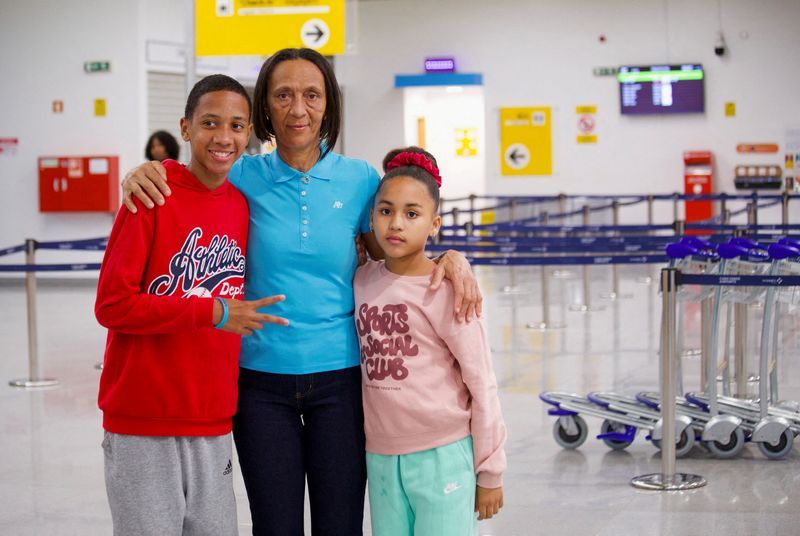
Ana Candida Evora will finally witness her son's World Cup journey after the United States granted her a travel visa, resolving a situation that drew global sympathy and diplomatic attention. The 40-year-old Cape Verde goalkeeper Vozinha had tearfully explained to the world that his mother missed his remarkable performance against Spain in the tournament's opening round due to visa complications and the financial barriers erected by strict US entry requirements. The emotional disclosure resonated internationally, prompting officials at the US State Department to accelerate processing and ensure Evora could join her son for upcoming matches.
Vozinha's debut at the World Cup had already captured widespread admiration. Playing in Atlanta against European champions Spain, the goalkeeper delivered an outstanding display that kept one of football's elite teams at bay, producing seven crucial saves to secure a historic 0-0 draw for the Cape Verdean national side. His performance earned him player-of-the-match honours and suggested Cape Verde could mount a genuine challenge in the group stage, yet the triumph was bittersweet when he revealed that the person who had supported his football career from the beginning had been unable to share the moment from the stands.
The visa denial that kept Evora away was symptomatic of broader complications facing citizens from numerous African and developing nations seeking entry to the United States under revised immigration policies. President Donald Trump's administration implemented stringent security measures that required individuals from dozens of countries to post bonds reaching as high as $15,000 simply to enter American territory. These financial guarantees were intended to ensure compliance with visa conditions and departure requirements, yet for most families in Cape Verde, a nation with modest per-capita income levels, such sums represented impossible obstacles.
Evora's predicament highlighted how global immigration enforcement can inadvertently affect civilians simply seeking to attend sporting events or family gatherings. The travel costs combined with the bond requirement created a double financial burden that effectively locked her out of the United States. Despite her desire to support her son at what many athletes consider the pinnacle of their careers, the practical realities of her economic situation forced her to accept missing the Spain match. However, when Vozinha's emotional account of her absence became public, it triggered a humanitarian response from those in positions to help.
The US State Department moved with unusual speed once the situation gained international visibility. A consular office in Praia, Cape Verde's capital, was instructed to work directly with Evora and provide appropriate services to expedite her visa processing. State Department officials confirmed that her application would be handled with priority while maintaining standard procedures and security protocols. A representative told reporters that her approval had been granted to facilitate travel, using language that conveyed institutional commitment to resolving the matter quickly.
A significant policy adjustment also emerged from the broader World Cup attendance crisis. The initial requirement for citizens of affected countries to post bonds was later reversed specifically for individuals holding valid World Cup tickets. This modification recognised that international sporting events serve important diplomatic and cultural purposes, and that artificial financial barriers could undermine nations' participation in prestigious global competitions. For World Cup holders, entry became possible without the substantial bond deposits, though Evora had already ruled out attempting the trip before this change took effect.
Evora's approval comes ahead of Cape Verde's second group-stage encounter against Uruguay, scheduled for Sunday in Miami. This match offers her the opportunity to observe her son's continuing performance in the tournament from the stands. Uruguay presents a formidable opponent with a strong football tradition and World Cup history, making the fixture a significant test of whether Cape Verde can replicate or build upon their initial draw against Spain. For Vozinha, having his mother present represents not merely emotional support but recognition of the sacrifices families make to nurture young talent through to elite levels.
The resolution of Evora's visa situation carries implications beyond the individual family story. It demonstrates how international attention and diplomatic channels can address situations where standard bureaucratic processes create unintended hardships. For other nations' citizens facing similar barriers to World Cup attendance, Evora's case may signal that authorities will consider humanitarian factors when circumstances gain prominence. The incident also underscores tensions between immigration security measures and the facilitation of international cultural exchange, a balance that remains challenging for nations hosting major global events.
Cape Verde's presence at the World Cup itself represents a historic achievement for the small island nation. The country's qualification marked recognition of developing African football and the rising competitive standards across the continent. Vozinha's performance and the story surrounding his mother have elevated the nation's profile substantially, generating sympathy and interest far beyond traditional football audiences. As Evora finally prepares to travel to Miami, her journey from exclusion to inclusion embodies broader narratives about access, equality, and the power of individual stories to influence institutional decisions within complex immigration systems.