Beijing authorities have broken up an elaborate health fraud operation that systematically defrauded more than 100 elderly residents of approximately 10 million yuan—equivalent to US$1.5 million—through a scheme centring on doctored intestinal cleansing treatments. Police have made arrests of more than 30 individuals suspected of orchestrating the scam across multiple locations in the capital. The breakthrough came when the family of one victim, a woman in her sixties surnamed Li, discovered the alarming extent of her spending at the health centre, which had extracted more than 700,000 yuan from her over time.
Li's experience illustrates how the perpetrators gradually escalated their financial exploitation. She initially visited the centre for what appeared to be an innocuous 38-yuan foot massage voucher, but the staff's attentive approach—remembered birthdays, personal attention, and apparent emotional investment—created a facade of genuine care. This manipulation proved devastatingly effective: Li was convinced to purchase successive rounds of expensive treatments, each costing tens of thousands of yuan per session. When her finances were depleted, clinic personnel resorted to brazen coercion, pressuring her to pawn personal jewellery by questioning what use money held if her health could not be restored.
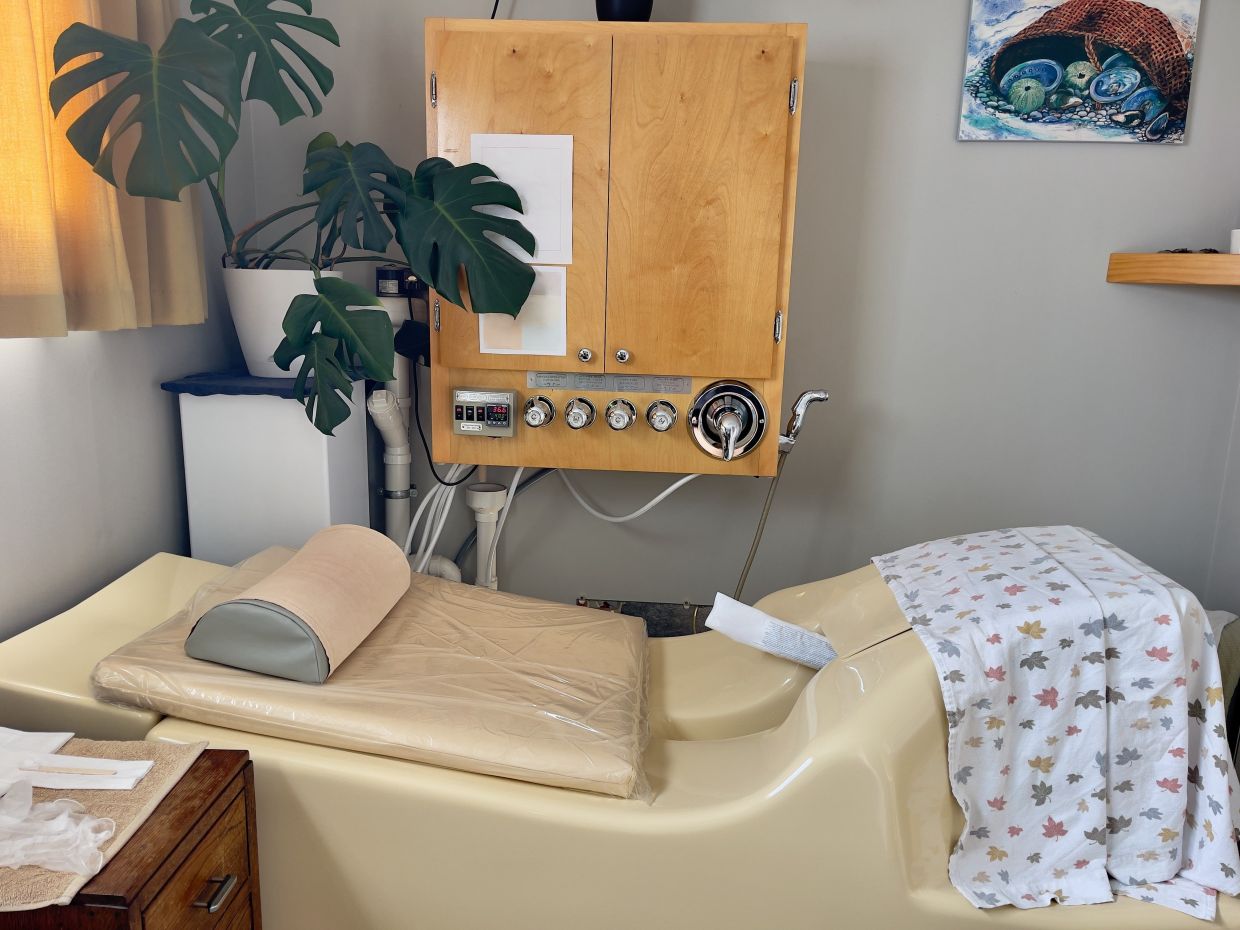
The deception's centrepiece involved a fraudulent intestinal cleansing procedure designed to create visible "evidence" of bodily toxins. Staff would perform the treatment while adding dark soy sauce—a common Chinese cooking ingredient—to the cleansing liquid, producing discoloured discharge that appeared alarming to unsuspecting patients. This visual manipulation convinced victims that their bodies harboured dangerous toxins requiring prolonged, costly remedial treatment. The scheme relied on exploiting both medical ignorance and psychological vulnerability among its targets.
Police investigations revealed a systematic targeting strategy. The network specifically pursued affluent elderly residents living alone or those experiencing emotional isolation despite having adult children. Operatives would position themselves at senior centres and public gathering spaces frequented by older adults, offering complimentary "expert" medical consultations that served as entry points for recruitment. These fake medical specialists would diagnose fabricated illnesses and prescribe intensive, long-term treatment regimens as ostensible solutions.
The scale of the operation extended far beyond a single location. Authorities identified over 20 establishments masquerading as legitimate health centres across multiple Beijing districts, all operating under the same fraudulent framework. Police data indicates the network generated revenues exceeding 30 million yuan—approximately US$4.5 million—a figure substantially inconsistent with legitimate operations of comparable size. Individual victims experienced varying degrees of exploitation, with at least one elderly person losing more than 2 million yuan to the scheme.
The targeting of lonely elderly residents reflects broader vulnerabilities within China's ageing demographic landscape. Government statistics show that by end of 2025, the country's population aged 60 and above had reached 323 million people, constituting 23 percent of the total population. Among this cohort, approximately 60 percent are classified as empty-nesters—either childless or with adult offspring living in separate households. This demographic reality creates a substantial pool of vulnerable individuals susceptible to predatory manipulation through calculated displays of emotional attention and care.
For Malaysian readers, this case carries immediate relevance. Southeast Asia's rapidly ageing population mirrors China's demographic trajectory, and similar fraud networks targeting senior citizens have emerged across the region. Health scams exploiting elderly residents' vulnerability and desire for care represent a growing transnational problem. The sophistication evident in this Beijing operation—false credentials, coordinated multi-location networks, psychological manipulation combined with fraudulent medical procedures—provides a warning template of schemes that may appear in Malaysian communities.
The perpetrators demonstrated particular cunning in identifying and nurturing victims through calculated relationship-building. By projecting attentiveness and emotional investment far exceeding what busy adult children typically provide, the scheme exploited a genuine gap in many elderly residents' lives. This psychological leverage proved more effective than simple deception; victims were not merely tricked but made to feel valued and cared for, making them reluctant to question treatments or demand accountability.
China's regulatory environment has faced criticism for insufficient oversight of the health and wellness industry, where unregistered practitioners and dubious treatments flourish. Observers note that the proliferation of "free gift" promotions and complimentary consultations at ostensible health centres has become a recognisable method for fraudulent operations to establish initial contact with vulnerable populations. Industry specialists argue that urgent, comprehensive supervision mechanisms are required to protect elderly residents from such exploitation.
The case underscores how demographic vulnerability intersects with regulatory gaps to create conditions enabling large-scale fraud. As China and other Asian societies experience rapid population ageing, the ecosystem enabling such schemes—combining isolated elderly residents, weak regulatory oversight, and organised criminal networks—will likely persist unless addressed through coordinated policy responses. Family members, community organisations, and regulatory authorities across the region must develop greater awareness of these exploitation patterns.
For elderly residents and their families throughout Malaysia and Southeast Asia, this case serves as a cautionary illustration of how seemingly legitimate health services can serve as vehicles for systematic financial predation. Scepticism toward unsolicited medical consultations, especially those promised free or at unusually low introductory costs, remains prudent. The sophisticated methods employed in this Beijing operation suggest that protection requires not only individual vigilance but also strengthened regulatory frameworks and inter-agency cooperation to dismantle networks that deliberately target the region's most vulnerable demographics.

