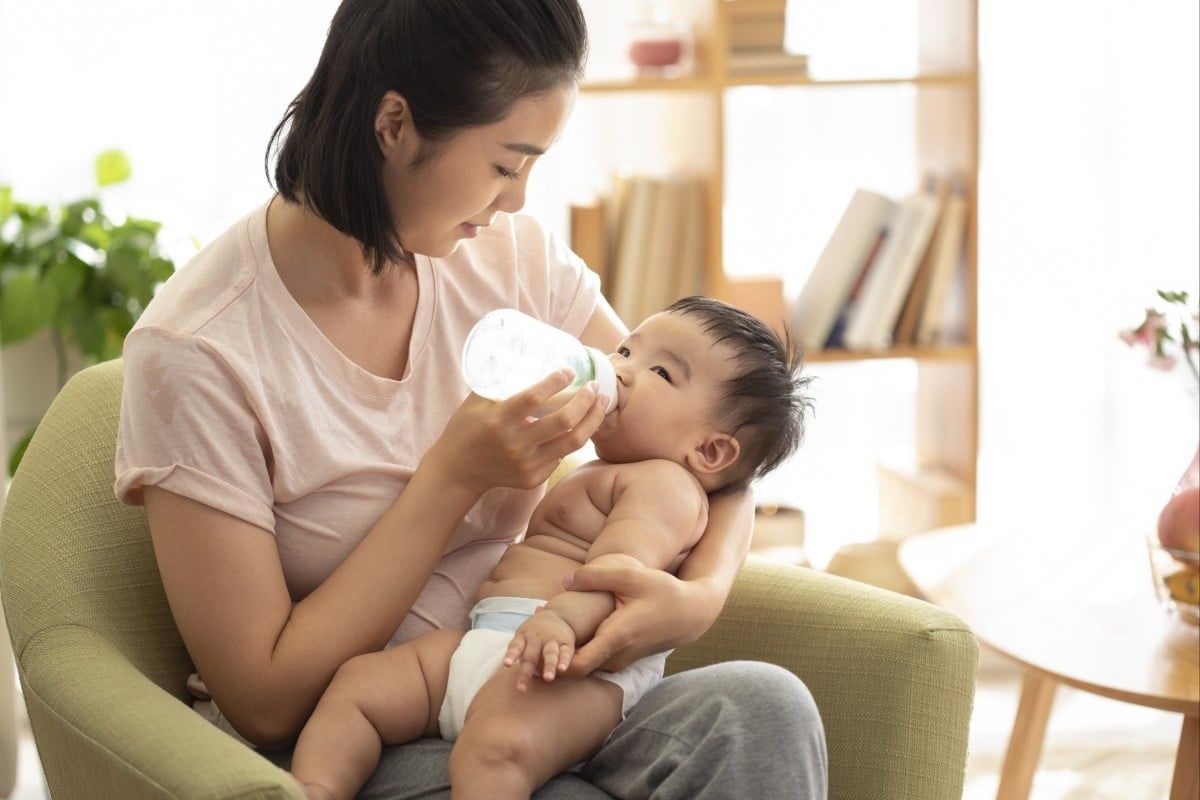
A three-month-old baby boy in southern China's Guangdong province was admitted to intensive care after developing acute nitrite poisoning from formula milk prepared in an unconventional manner. The infant presented with alarming symptoms including purple discolouration of the skin, bluish lips, and respiratory distress, prompting his parents to rush him to Zhongshan Women and Children's Hospital. The medical emergency occurred when parents, believing they were enhancing nutritional value, had substituted boiled vegetable juice for water in preparing the baby's milk formula.
The decision to use vegetable juice stemmed from parental misconceptions about infant nutrition. The parents reasoned that vegetable extract would be more beneficial than plain water, a judgement error that nearly cost their child his life. The symptoms manifested almost immediately following the infant's consumption of the prepared formula, suggesting rapid absorption of harmful compounds through his underdeveloped digestive system. Hospital staff swiftly identified the cause as nitrite toxicity, initiating emergency protocols to reverse the poisoning.
Physicians explained the mechanism behind this nutritional hazard. When vegetables undergo prolonged boiling—a common practice in Chinese cooking—the resulting liquid accumulates dangerously high concentrations of nitrites, naturally occurring compounds that become toxic in elevated amounts. The three-month-old's immature digestive and renal systems lack the physiological capacity to metabolise and eliminate these compounds safely. Unlike older children and adults with fully functional organ systems, infants at this developmental stage cannot process nitrate loads that their bodies encounter.
The biochemical consequences proved immediately visible. Once nitrites entered the baby's bloodstream, they interfered with haemoglobin's oxygen-carrying functionality, a condition known as methaemoglobinaemia. This mechanism directly explains the characteristic purple and bluish discolourations observed in the child's skin, lips, and extremities—visible signs of tissue oxygen deprivation. The respiratory distress accompanied this circulatory disruption as the body struggled to maintain adequate oxygen saturation.
Following two days of intensive medical intervention, the hospital discharged the infant in mid-June, marking a successful recovery from what could have been fatal. However, the incident highlights broader concerns about parental decision-making in infant feeding practices across China. The case has prompted medical professionals to reissue guidance on proper formula preparation, emphasising that only warm water should be used to reconstitute powdered formula.
Paediatricians have explicitly warned against substituting vegetable juice, rice water, fruit juices, or homemade broths for water in formula preparation. Dr Cao Qi, a paediatrician at Nanning No 1 People's Hospital in Guangxi Zhuang autonomous region, utilised social media to alert parents about nitrite poisoning symptoms and the critical importance of rapid medical intervention. His urgent message underscored that delays of mere minutes could prove life-threatening for affected infants, with survival potentially depending on swift hospital admission and appropriate treatment.
Dr Cao's broader cautionary message addresses a troubling pattern in Chinese parenting culture where traditional beliefs about nutrition intersect with modern infant care. His plea for parents to resist following dietary trends or relying on subjective judgment when caring for very young children reflects legitimate medical concerns. The paediatrician emphasised that foods considered natural or nutritious for older individuals may pose serious dangers to infants whose physiological systems remain incompletely developed.
This incident is not isolated within China's digital landscape. Social media platforms regularly circulate stories about families employing unconventional feeding methods for young babies, often generating significant online discussion and concern. The previous year witnessed another serious case in Henan province when a 52-day-old infant suffered botulism poisoning after his grandmother added honey to his water. That incident similarly stemmed from well-intentioned but medically dangerous additions to infant nutrition.
These recurring cases underscore the gap between traditional food beliefs and modern infant nutrition science. In many Asian cultures, including Malaysia, similar misconceptions about enhancing infant nutrition through adding traditional ingredients persist among older generations. The addition of herbal preparations, rice water, or vegetable extracts to infant feeds reflects cultural traditions rooted in centuries of practice with older children, yet these methods carry unappreciated risks for babies under six months old.
For Malaysian families and broader Southeast Asian communities, these incidents carry important lessons about evidence-based infant care. Health authorities recommend exclusive formula or breast feeding for the first six months, with any supplementation only under medical guidance. The case demonstrates how good intentions—wanting to provide superior nutrition—can trigger serious harm when contradicting established paediatric guidelines.
The physiological reality is that infant digestive systems develop gradually through the first year of life. Introducing compounds that mature systems handle adequately can overwhelm immature organs, leading to poisoning, infections, or metabolic crises. Water used for formula preparation should be either boiled and cooled or, increasingly, commercially prepared sterile water designed for infant use.
Healthcare providers across the region should consider whether education campaigns adequately reach communities where traditional feeding practices persist. The Guangdong case provides a cautionary example that resonates beyond China's borders, affecting parenting practices wherever cultural preferences for traditional supplements clash with paediatric science. Clear, culturally sensitive guidance from trusted medical sources remains essential for protecting vulnerable infants.

