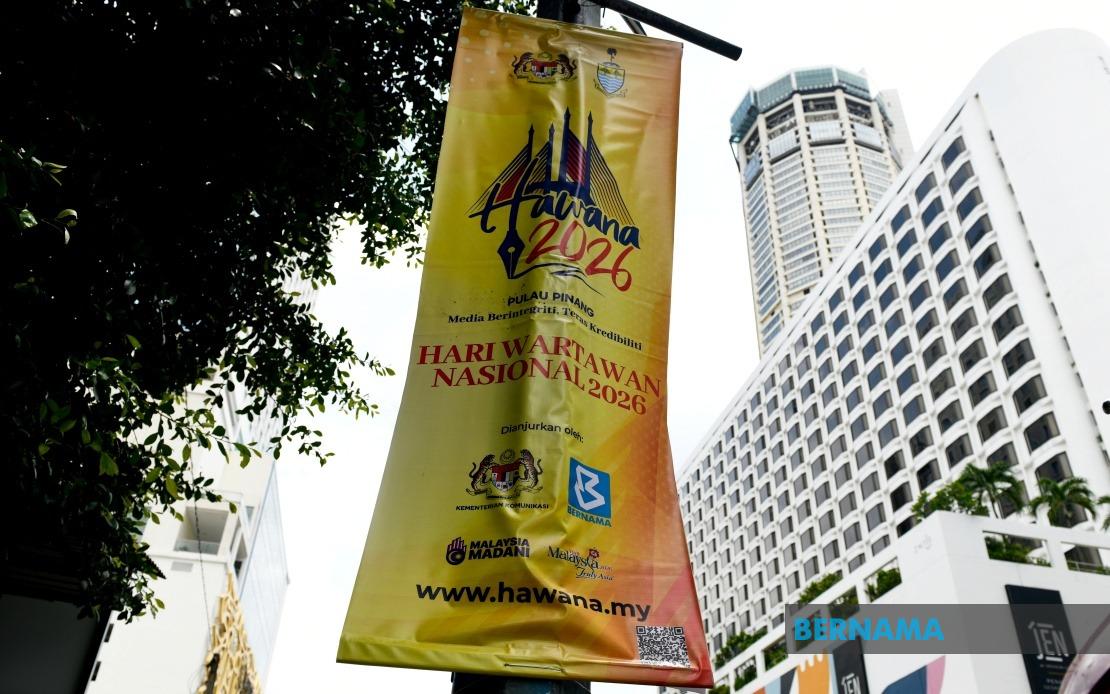
Communications Minister Datuk Fahmi Fadzil arrived in Penang this week for a two-day working visit focused on the culmination of HAWANA 2026, the nation's annual celebration of National Journalists' Day. The ministerial visit underscores the federal government's commitment to recognising the journalism profession and the broader media ecosystem's contributions to Malaysia's development trajectory.
The itinerary commenced with the Malaysia Media Retreat Programme 2.0 in Seberang Jaya, followed by an evening reception hosted by Penang Yang Dipertua Negeri Tun Ramli Ngah Talib. These opening engagements set the tone for what organisers describe as a comprehensive showcase of the media industry's collaborative role in shaping public discourse and national progress. The retreat serves as a networking platform for editors-in-chief, senior management from both domestic and international news organisations, and other key figures in the communications landscape.
A significant component of the minister's schedule included participation in the RIUH Pi HAWANA Carnival at PICCA Convention Centre @ Butterworth Arena, a three-day creative showcase that blends journalism and arts. The carnival demonstrates the government's recognition that media practice extends beyond traditional newsrooms into the broader creative and cultural spheres. Free-to-attend programming drew together nearly 40 local and regional creative product enterprises, food vendors, and performing artistes, creating a festival atmosphere that positions journalism as central to Malaysia's cultural identity.
The carnival's programming—encompassing traditional printmaking workshops such as cyanotype and albumen printing, alongside contemporary stone-carving demonstrations—reflects a deliberate effort to connect heritage crafts with contemporary media storytelling. Local performers including Sakura Band, Kaka Azraff, Budak Nakal Hujung Simpang and Chelsea Ng provided entertainment, reinforcing the connection between artistic expression and journalistic documentation of society.
On the second day, Fahmi engaged with grassroots communities through the Jiwa@Sembang Santai programme at Seberang Jaya Public Market Food Court, signalling that media engagement extends to informal public spaces where ordinary Malaysians gather. This intimate setting contrasts with formal government events, suggesting a strategy to democratise access to ministerial dialogue and demonstrate responsiveness to community-level concerns about media and information.
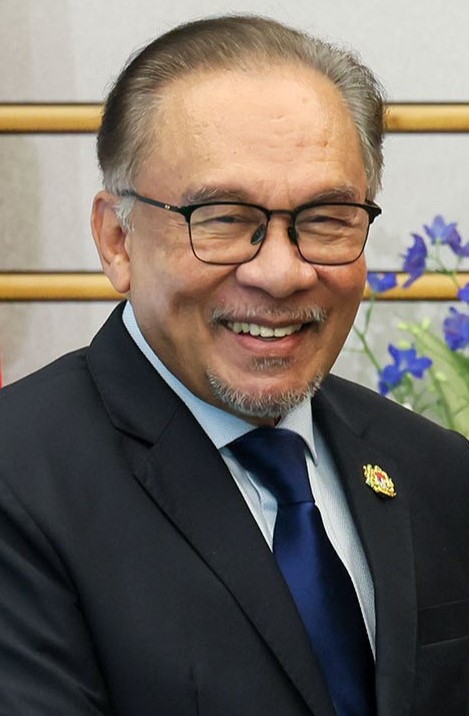
The centrepiece of the visit was the HAWANA 2026 Grand Finale, themed "Media Integrity Strengthens Credibility," held at the Butterworth Arena with Prime Minister Datuk Seri Anwar Ibrahim officiating. The presence of Malaysia's chief executive underscores the political significance attached to the journalism profession. The anticipated attendance of approximately 1,000 media practitioners from Malaysia and neighbouring countries positioned the event as a regional gathering addressing contemporary challenges in journalism practice.
HAWANA itself represents the Ministry of Communications' principal mechanism for honouring media professionals' contributions and reinforcing professional standards across the industry. By deploying the Malaysian National News Agency (Bernama) as the implementing partner, the government centralises recognition protocols while leveraging the nation's oldest news organisation's institutional credibility and reach. This structural arrangement ensures consistency in messaging about professional standards and ethical journalism.
The emphasis on "media integrity" as the conference theme reflects growing global concerns about disinformation, propaganda, and the erosion of public trust in news institutions. For Malaysia specifically, where social media penetration remains high and misinformation has previously influenced electoral processes and public health responses, reaffirming integrity standards among professional journalists serves strategic national interests. By convening senior practitioners and international participants, the forum creates space for sharing best practices and establishing regional consensus on ethical journalism standards.
The timing and scale of these events signal that Malaysia's government recognises journalism's foundational role in democratic governance and public confidence in institutions. Rather than positioning media as adversarial to state interests, this inclusive approach frames journalists as partners in nation-building, albeit with editorial independence preserved. For Southeast Asia more broadly, Malaysia's investment in professional journalism recognition offers a counterweight to polarisation and suggests that governments can acknowledge media's critical scrutiny function while supporting institutional sustainability.
Fahmi's participation across multiple event types—from formal ministerial dialogues to casual community discussions to large international conferences—demonstrates a multi-level engagement strategy that reaches journalists across experience levels and newsroom hierarchies. This comprehensive approach acknowledges that journalism quality depends on supportive ecosystems extending beyond individual reporters to include institutional leadership, community engagement, and cross-border professional networks.
The integration of creative industries into HAWANA programming suggests evolving conceptualisations of contemporary journalism. As digital platforms collapse traditional boundaries between news, entertainment, and artistic expression, the Malaysian framework increasingly encompasses creators and content producers alongside conventional journalists. This broadened definition may reflect recognition that younger audiences, particularly in urban Southeast Asian centres, consume information through multiple formats and that traditional journalistic authority requires adaptation to new media landscapes.
As Malaysia navigates challenges common across Southeast Asia—managing rapid technological change in information distribution, addressing economic pressures on newsroom sustainability, and maintaining professional standards amid global disinformation campaigns—public recognition of journalism's value becomes increasingly important. HAWANA 2026's grand finale in Penang, with federal leadership demonstrating commitment through direct participation, sends a clear signal that professional journalism remains integral to Malaysia's development vision and regional standing.