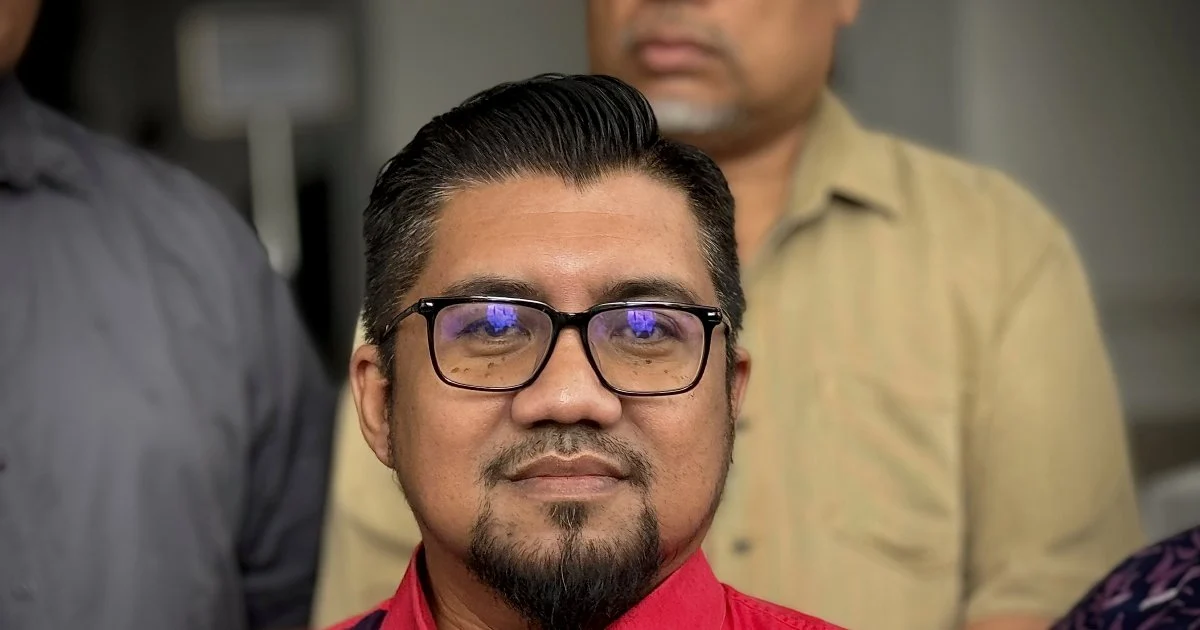
A significant legal development has emerged in Malaysian jurisprudence regarding defamation against the monarchy. The High Court in Kuala Lumpur has reversed an earlier acquittal and ordered political activist Badrul Hisham Shaharin, popularly known as Che'gu Bard, to present his defence on charges of defaming His Majesty Sultan Ibrahim, the King of Malaysia. The reversal marks a pivotal moment in the case, which stems from statements the activist made approximately two years ago concerning what he described as an audience involving the King and various political leaders.
The case touches on sensitive constitutional terrain in Malaysia, where the institution of the monarchy holds paramount importance in the nation's framework. Defamation against the Yang di-Pertuan Agong is treated with considerable gravity under Malaysian law, reflecting the constitutional protections afforded to the reigning monarch. The original acquittal had suggested that the lower court found insufficient evidence or grounds to convict Badrul Hisham of the offence, but the High Court's decision to reverse this verdict indicates a different interpretation of the evidence or legal principles governing the case.
Badrul Hisham, a well-known figure in Malaysia's activist circles, has maintained a public presence commenting on various political and social issues. His statements relating to the alleged audience with political leaders appear to have been interpreted by prosecutors as crossing the legal line into defamatory territory. The nature of these remarks and the precise language employed would have been central to the court's deliberations, as defamation law typically requires showing that statements are both false and damaging to the subject's reputation.
The timeline of the alleged statements is noteworthy, occurring during a period of considerable political flux in Malaysia when questions of leadership and political realignment were prominent in national discourse. The fact that remarks made two years prior have now reached this juncture in the legal process underscores how defamation cases can extend over lengthy periods, particularly when they involve institutions of the state. The intervening years have witnessed significant political changes in Malaysia, which may provide context for why the case has proceeded at its current pace.
This development raises important questions about the balance between free speech and the protection of institutional dignity in Malaysia's legal framework. The reversal of the acquittal suggests that appellate authorities found sufficient grounds to believe a prima facie case had been established, meaning the prosecution presented evidence from which a court could reasonably infer that a defamatory statement had been made. Now that Badrul Hisham has been ordered to enter his defence, he will have the opportunity to present counter-evidence and legal arguments challenging the charges against him.
The implications for public discourse and activism in Malaysia are worth examining. Cases involving defamation against the monarchy can have a chilling effect on political commentary and public discussion about state institutions. Activists and commentators may exercise greater caution when discussing matters involving the royal institution, knowing that legal consequences could follow. However, the right to criticise and comment on public affairs, even when directed at the monarchy, remains an important element of democratic discourse in many constitutional systems.
From a Southeast Asian perspective, Malaysia's approach to protecting the monarchy from defamatory statements reflects regional variations in how different nations handle criticism of state institutions. Some regional counterparts have stricter laws, while others maintain more permissive standards for public commentary. The Malaysian approach represents a middle ground, where protection is afforded but not absolute, and context and intent remain relevant considerations in determining liability.
The High Court's decision to order the activist to mount a defence does not constitute a finding of guilt. Rather, it determines that the case should proceed to the evidence stage where Badrul Hisham can present his version of events and legal arguments. The burden of proof in defamation cases varies depending on whether the defendant is a public figure and whether matters of public interest are involved. These legal nuances will likely feature prominently in the upcoming defence phase.
Badrul Hisham now faces the decision of how to proceed, including whether to call witnesses, present documentary evidence, or rely on legal arguments about the nature and scope of the statements in question. His defence strategy will likely focus on demonstrating that either the statements were not made as alleged, or that they were made with contextual justification that does not constitute defamation under Malaysian law. The upcoming proceedings will provide clarity on how Malaysian courts interpret defamatory language in political and activist contexts.
The case will continue to attract attention from civil society organisations, media observers, and legal commentators interested in the intersection of free expression and institutional protection in Malaysia. The outcome could set precedent for how similar cases involving political activists and statements about state institutions are handled in future. As the defence phase unfolds, the substantive details of what Badrul Hisham allegedly said and the evidence supporting or contradicting the prosecution's claims will become central to determining whether defamation has actually occurred in this instance.

