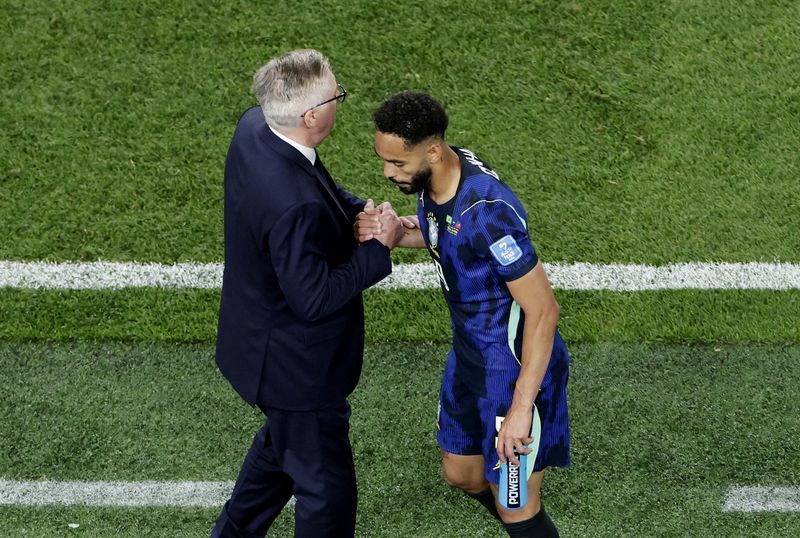
Brazil's 3-0 demolition of Haiti in Philadelphia on June 19 offered more than just a comfortable scoreline. The victory demonstrated that Carlo Ancelotti, in his early weeks as head coach, has begun assembling the tactical framework that could guide the five-time world champions through this tournament. Yet the performance was far from flawless, and the challenges ahead remain evident.
The context of this match cannot be overlooked. Coming on the heels of a frustrating 1-1 draw against Morocco in their Group C opener, Brazil's supporters were desperate to see signs of progression. Haiti, while limited in technical ability and tactically naive in their willingness to push forward without considering defensive shape, provided an opportunity for Ancelotti's side to build confidence and explore offensive patterns. The comprehensive victory achieved that primary objective, even if it did not fully answer all the lingering questions about Brazil's depth and versatility.
Ancelotti's most consequential adjustment was introducing Matheus Cunha into the attack, removing Igor Thiago from the equation. This single change proved transformative. Cunha's inclusion fundamentally altered Brazil's attacking structure, introducing a fluidity and natural connection between the midfield and front line that had been absent. Where Brazil previously appeared disjointed, there emerged a clearer passing progression and a more cohesive shape. The number nine's tireless movement and willingness to drift across the field created space for teammates and allowed the team to build through more intricate combinations.
The diamond midfield formation, which Ancelotti appeared to be testing, began to function with genuine effectiveness once Cunha took his position. Lucas Paqueta, who had endured considerable criticism for his laboured performance against Morocco, found considerably more comfort operating as the left-sided midfielder within this structure. His positioning allowed him to provide direct support to Vinicius Jr while maintaining connection with Cunha. The three-man combination of Paqueta, Vinicius, and Cunha demonstrated an intuitive understanding, with all three reading the game similarly and executing passes with increased precision. It was unsurprising that Brazil's goals materialized predominantly from this flank.
Cunha's impact extended beyond mere statistical contribution. His movement patterns resembled those that Brazil had enjoyed on the left side before Neymar's serious injury curtailed his availability. By drifting inward from his starting position to link play between the midfield and Vinicius, Cunha created passing options and overloads that opponents found difficult to manage. This natural chemistry on the left represents a potential solution to a problem that has vexed Brazil for an extended period.
Yet Ancelotti's tactical experiment exposed a significant vulnerability on the opposite flank. Raphinha, operating as the traditional right winger, struggled to impose himself for the second consecutive match. His participation was cut short due to a physical complaint, a concern that had already surfaced during the week when he missed training sessions due to blister complications on his feet. Beyond the injury considerations, his positioning appeared to contribute to his ineffectiveness. Pinned wide on the right wing, Raphinha mislaid passes and lacked his usual control over straightforward receiving situations. This represents a marked departure from his club role, where he typically operates with greater central freedom, similar to how Cunha functioned against Haiti. The disparity between his club demands and international positioning may require addressing.
The right-wing vacancy raises broader questions about tactical flexibility and squad depth. Luiz Henrique emerged as the more promising replacement option when Rayan struggled to settle into the match after replacing Raphinha. This suggests Ancelotti is developing a hierarchy of alternatives for that particular flank, though none has yet demonstrated the confidence and incisiveness the position demands at this level of competition.
Additional tactical concerns surround the role of Casemiro in the defensive midfield. At thirty-four years old, questions persist about whether the Manchester United stalwart possesses the physical capacity to withstand the pressing intensity and physical demands of stronger opponents than Haiti. Bruno Guimaraes, who operated effectively as the right midfielder during this contest, may need to be repositioned deeper to provide defensive reinforcement. This potential reshuffling would fundamentally alter the balance of Brazil's diamond formation while simultaneously addressing the susceptibility that more attacking teams could potentially exploit.
The Haiti performance, viewed pragmatically, represents incremental rather than revolutionary progress. Ancelotti has not dismantled the structural problems overnight, nor should anyone expect him to. What he has demonstrated is a willingness to adjust, a recognition that Brazil's opening attempt against Morocco necessitated tactical recalibration, and an emerging understanding of how to leverage his squad's capabilities. The diamond formation, when balanced appropriately with Cunha's movement and Paqueta's positioning, offers genuine promise. The left flank has found a workable solution following Neymar's absence.
The remainder of the tournament will determine whether these early tactical flourishes represent genuine innovation or merely effective exploitation of an inferior opponent. Brazil's upcoming encounter with Scotland and subsequent matches against stronger defensive sides will provide the genuine examination of whether Ancelotti's adjustments constitute sustainable architectural improvements. For now, the trajectory is encouraging, the direction clearer, and the foundation upon which to build increasingly visible. This does not guarantee success, but it suggests the Italian coach understands the requirements of the role and possesses the tactical acumen to implement meaningful change.

