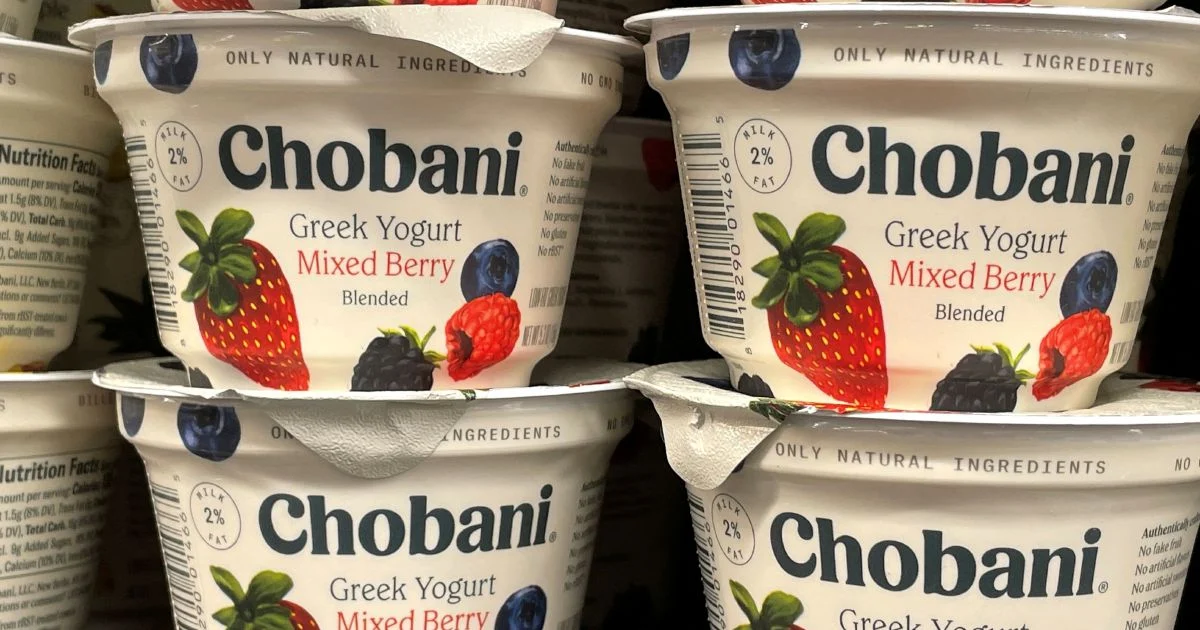
Danone's decision to pursue legal action against Chobani regarding protein content claims represents far more than a routine corporate dispute—it exposes the intensifying struggle among major dairy producers to capture a rapidly expanding market segment. The French multinational's lawsuit strategy underscores its recognition that Chobani has emerged as a formidable competitor precisely where Danone expected to maintain dominance: in the American yoghurt market. What makes this confrontation particularly noteworthy for the global dairy industry is the underlying driver reshaping consumer eating habits: the surging popularity of GLP-1 receptor agonist medications, which promote weight loss and fundamentally alter how people approach nutrition.
The emergence of weight-loss drugs such as semaglutide and tirzepatide has fundamentally altered consumption patterns across multiple food categories, creating winners and losers in the processed food sector. Users of these medications experience significantly reduced appetite and report feeling fuller for longer periods, fundamentally changing their approach to meals and snacking. Rather than causing wholesale abandonment of eating, however, these drugs have paradoxically created distinct nutritional preferences among their users. People taking GLP-1 medications have demonstrated a consistent preference for protein-dense foods, viewing them as an efficient way to maintain muscle mass and bodily function while consuming substantially less total food. This insight has not escaped the attention of major food corporations, who are rapidly recalibrating their product portfolios and marketing strategies to capture this demographic.
Yoghurt occupies a uniquely advantageous position within this shifting landscape. Unlike many other food categories that are experiencing declining sales as GLP-1 users reduce overall consumption, yoghurt has managed to buck the trend because of its inherent nutritional profile. High-protein varieties offer precisely what GLP-1 users need: concentrated nutrition in compact portions. A single serving of thick Greek or Icelandic-style yoghurt can provide substantial protein content while remaining satisfying in smaller quantities, making it an ideal product for consumers whose appetites have been chemically suppressed. This characteristic has transformed yoghurt from a commodity product into a premium growth category, attracting aggressive competition from established players and upstart brands alike.
Danone's legal challenge against Chobani centers on protein content claims, a seemingly technical matter that carries profound commercial implications. The dispute likely involves questions about how protein is measured, labeled, and marketed to consumers—details that carry significant legal and marketing weight in the American food industry. For Danone, which has invested heavily in its yoghurt portfolio through brands including Activia and Oikos, the threat posed by Chobani's aggressive marketing and market share gains clearly justifies litigation costs. Chobani, which grew from a small Turkish-American operation into a major national brand through emphasis on simple ingredients and high protein content, has effectively captured consumer mindshare in the premium yoghurt segment. The company's rapid ascent demonstrates that consumers are willing to pay premium prices for products explicitly marketed as high-protein, a positioning that directly appeals to the GLP-1 user demographic.
The timing of this litigation reflects the acceleration of market dynamics driven by GLP-1 adoption in the United States. Since semaglutide and similar medications gained widespread popularity, particularly following celebrity endorsements and celebrity weight loss stories, demand for protein-focused food products has intensified noticeably. Food manufacturers have responded by launching new products, reformulating existing ones, and reshaping their advertising messages around protein content and nutritional density. For companies like Danone, which built their brand identity around broader wellness concepts, adapting to a market explicitly prioritizing protein density requires significant strategic recalibration. Legal action against competitors may signal that product reformulation and marketing adjustments alone are insufficient to restore competitive position.
For Southeast Asian consumers and food manufacturers, the Danone-Chobani confrontation offers important signals about emerging global food trends. While GLP-1 medications remain less widespread in the region than in North America, regulatory approval and growing awareness suggest that weight-loss drug adoption will increase substantially over coming years. Regional dairy companies and food manufacturers would be prudent to monitor how this protein-focused repositioning plays out in developed markets, potentially indicating future demand patterns closer to home. The yoghurt category, in particular, represents an opportunity for regional players to establish strong positions before international competitors fully mobilize their resources toward this demographic.
The protein wars extend beyond yoghurt into other categories. Consumers using GLP-1 medications have also demonstrated increased interest in high-protein snacks, convenient meal replacements, and nutrient-dense beverages. This broader dietary shift is driving investment across multiple food sectors and creating opportunities for companies that can effectively position their products as efficient nutrition sources for reduced-appetite consumers. Traditional food marketing emphasizing taste, indulgence, or convenience is being supplanted by messaging centered on nutritional efficiency and muscle preservation. Manufacturers who fail to adapt to this new consumer psychology risk losing market relevance among this influential demographic.
Danone's aggressive legal stance against Chobani should be understood within this competitive context. The company evidently believes that market competition has become sufficiently intense and stakes sufficiently high to justify expensive litigation. This decision reflects confidence that legal victories regarding protein claims can meaningfully impact market dynamics. Whether the lawsuit succeeds or fails, it signals that dairy companies are abandoning the assumption that established brands and distribution networks alone can guarantee market dominance. The GLP-1 phenomenon has created a genuine opening for smaller, nimbler competitors to establish themselves in premium segments, forcing larger corporations to defend their positions through multiple competitive mechanisms including price competition, product innovation, and legal strategies.
The broader implications extend to corporate strategy and innovation throughout the food industry. Companies that understood the durability and scale of weight-loss drug adoption early have repositioned themselves effectively, while those hoping this trend would prove temporary face the challenge of playing catch-up. Danone's litigation against Chobani represents acknowledgment that significant market share has already shifted toward competitors who recognized and capitalized on this trend more swiftly. The lawsuit may ultimately prove instrumental in recalibrating competitive dynamics, but it also underscores that litigation alone cannot substitute for sustained product innovation and authentic market positioning. For investors and industry observers, this dispute serves as a vivid illustration of how pharmaceutical and dietary trends can fundamentally reshape entire food categories and competitive hierarchies.

