Johor's Democratic Action Party leadership has sounded an alarm over a coordinated disinformation campaign aimed at undermining the coalition ahead of the state election, urging the public to reject smear tactics and exercise discernment when encountering politically motivated falsehoods. The warning comes as political tensions mount in Malaysia's southern state, where multiple camps are mobilising their supporters in the run-up to critical electoral contests scheduled for late June and early July.
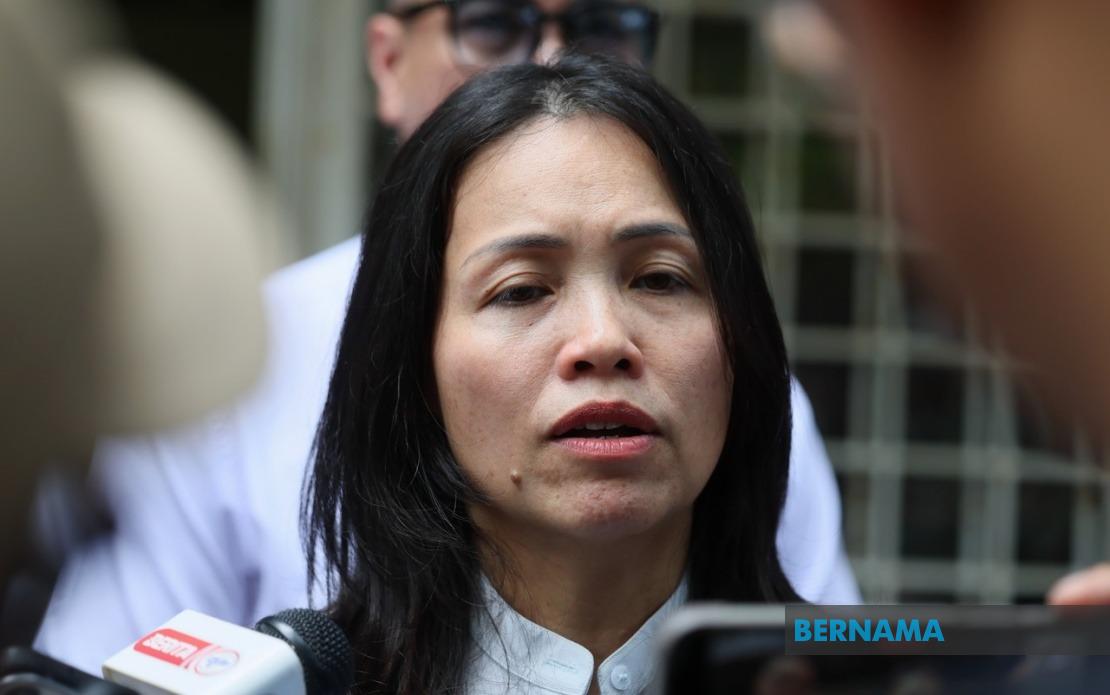
Johor DAP chairman Teo Nie Ching identified a specific strategy being deployed by unnamed opponents: the deliberate alteration of campaign materials featuring party-endorsed candidates. These doctored posters have been digitally manipulated to portray prospective DAP candidates as Muslim women depicted wearing headscarves in ways inconsistent with religious practice, a technique that combines religious imagery with visual distortion to create misleading impressions.
The underlying intent of such campaigns, according to Teo's analysis, is psychologically calculated to generate fear and anxiety within specific voter communities. By weaponising religious imagery and stoking concerns about representation, the campaign aims to dissuade Chinese and other non-Malay voters from backing Pakatan Harapan's slate. This reflects a broader pattern in Malaysian electoral politics where cultural and religious sensitivities are strategically invoked to mobilise or demobilise particular demographic groups.
In her public statement, Teo emphasised that DAP maintains genuine respect for all religious traditions, including Islam, and firmly rejects any trivialisation of the headscarf as a meaningful symbol of Muslim faith and identity. She positioned the party's objection not merely on grounds of political self-interest but on principle: the dignity of religious practice and the integrity of public discourse should transcend electoral competition. This framing attempts to shift the debate from narrow partisan advantage toward broader societal values.
The Wanita DAP chief further broadened her critique by highlighting the gendered dimension of these attacks. The deliberate misrepresentation of women candidates, she argued, demonstrates contempt not only for a specific political party but also reveals deeper disrespect toward women's agency and representation in public life. By distorting images and attributing false identities to female candidates, the campaign simultaneously undermines both DAP and the principle that women should participate in politics as full citizens rather than as targets of character assassination.
Teo reiterated the party's foundational commitment to defending the rights and interests of all Malaysians regardless of demographic category—emphasising race, geographical origin, religious affiliation, and gender neutrality in the party's approach to representation. This positioning responds to a recurrent criticism that DAP, despite its multiracial credentials, struggles to convince Malay-Muslim voters of its sincere commitment to their concerns. By condemning attacks that weaponise religious identity, DAP attempts to demonstrate principled consistency.
As Deputy Communications Minister, Teo holds a platform that amplifies her warnings beyond party circles. Her dual role underscores the government's stake in maintaining electoral integrity and preventing disinformation from degrading public trust in democratic processes. The ministry's involvement signals that combating false information campaigns is viewed as a governance priority, though critics have questioned whether such warnings carry sufficient enforcement mechanisms or resources for genuine impact.
The Johor state election emerges from the dissolution of the State Legislative Assembly announced on June 1, with the Election Commission establishing June 27 as the nomination deadline and July 11 as polling day. This compressed timeline creates urgency for all parties and intensifies pressure to mobilise supporters quickly, potentially creating conditions where inflammatory claims and manipulated content spread more readily through digital channels with limited fact-checking.
Johor's political composition before dissolution reflected a fragmented landscape. Barisan Nasional retained significant dominance with 40 of 56 seats, but Pakatan Harapan's 12 seats, Perikatan Nasional's three seats, and MUDA's single seat indicate a competitive environment where coalition arithmetic could shift substantially depending on voter behaviour. In this tight contest, every demographic segment matters strategically, explaining why campaigns target specific communities through culturally resonant messaging—whether authentic or fabricated.
For Malaysian voters and observers, the episode illustrates the challenges of navigating electoral politics in an era of sophisticated digital manipulation. Distinguishing between legitimate criticism and malicious distortion requires media literacy and critical evaluation of sources, capacities unevenly distributed across the electorate. DAP's public appeal to citizens to reject smear tactics ultimately depends on whether audiences possess both the tools and motivation to verify claims independently rather than accepting sensational narratives at face value.
The incident also raises questions about regulatory responses to electoral disinformation. While political parties can issue public denunciations, enforcement mechanisms remain limited unless digital platforms proactively remove manipulated content or authorities invoke laws against election offences. The gap between identifying false campaigns and preventing their spread continues to challenge Malaysian democracy as campaigns increasingly migrate to social media channels where verification and accountability mechanisms operate inconsistently.
Moving forward, Johor voters will decide whether warnings about smear campaigns resonate sufficiently to shape electoral outcomes or whether polarisation and tribal political identities override calls for harmony and substantive engagement with policy platforms. Teo's final appeal—for citizens to choose unity and peace over divisive tactics—reflects hope that democratic maturity can constrain the worst impulses of competitive politics, though historical experience suggests such aspirations face significant headwinds in polarised environments.