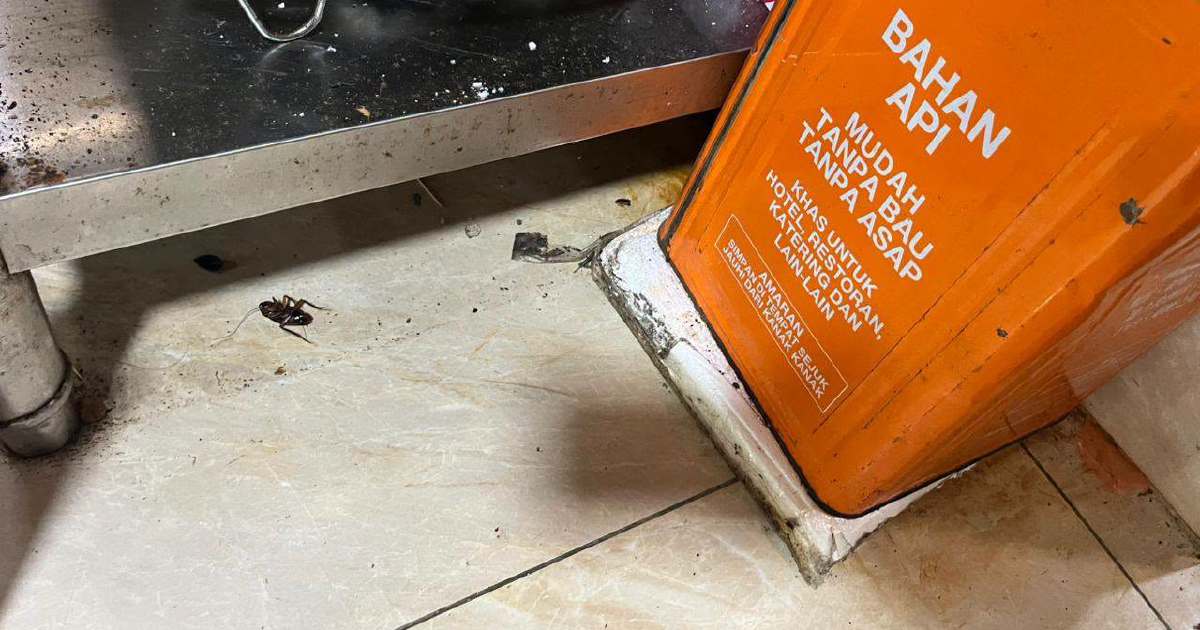
Kuala Lumpur City Hall (DBKL) has intensified its crackdown on unsanitary food premises, issuing 74 notices and compounds against operators during a comprehensive enforcement operation centred on Jalan Alor in the Bukit Bintang district. The action, undertaken following reports of pest-related health hazards, resulted in the immediate temporary closure of six food establishments that posed immediate risks to public health. This coordinated inspection reflects heightened municipal vigilance in one of Kuala Lumpur's most visited food and tourism destinations.
The enforcement action targeted multiple hygiene violations, with pest infestations—particularly cockroaches and rodents—cited as primary concerns. Food premises operators face compounding pressures to maintain standards as inspectors examine evidence of pest activity, inadequate storage conditions, and failures in pest control protocols. The presence of rats and cockroaches in food preparation and storage areas represents a serious breach of food safety regulations, triggering swift municipal intervention. Each notice issued carries legal weight and financial penalties, designed to incentivise rapid remediation among operators.
Jalan Alor's prominence as a culinary hub makes this enforcement operation particularly significant for Malaysia's food tourism industry. The street has cultivated an international reputation, attracting visitors seeking authentic Malaysian street food experiences. However, the concentration of food stalls and modest operating spaces along the narrow thoroughfare creates inherent challenges for hygiene management, particularly during peak hours when sanitation oversight becomes difficult. Yesterday's operation serves as a public reminder that regulatory standards apply uniformly, regardless of a premise's cultural or tourist significance.
The six premises requiring immediate closure represent establishments judged to pose acute health risks. DBKL's decision to shutter these operations reflects established protocols: when violations are severe enough to threaten consumer safety directly, temporary closure becomes necessary rather than relying solely on compounds and compliance timelines. Operators of these premises will face requirements to demonstrate comprehensive remediation, including professional pest control, infrastructure repairs, and staff retraining before reopening can be authorised. The closure period allows inspectors to verify improvements without compromise.
From a broader regulatory perspective, this enforcement sweep illustrates DBKL's resource allocation strategies in managing thousands of food premises across Malaysia's capital. Concentrated operations targeting specific high-traffic areas allow inspectors to conduct thorough examinations while maximising deterrent effects through visible enforcement. The issuance of 74 notices indicates systematic assessment rather than selective targeting, suggesting inspectors examined numerous premises and documented widespread compliance gaps. This approach generates data about violations patterns, informing future regulatory priorities.
Operators facing notices and compounds confront genuine financial pressure and administrative burden. Beyond immediate penalties, repeated violations can result in licence suspension or revocation, effectively ending business operations. This escalating consequence structure incentivises genuine commitment to improved standards rather than cosmetic compliance. Food premise owners must engage professional pest control services, potentially upgrade facilities, and implement systematic monitoring protocols. These investments represent substantial costs, particularly for small operators managing tight profit margins typical of Jalan Alor's informal dining sector.
Public health implications extend beyond individual establishments. Pest infestations in food premises create risks of pathogenic transmission, including foodborne illness outbreaks that can rapidly spread among customer populations. Cockroaches and rodents carry bacteria such as E. coli and Salmonella, capable of contaminating food through direct contact or faecal matter. Consumers patronising premises with inadequate pest control face elevated infection risks, with vulnerable populations—elderly diners, young children, immunocompromised individuals—experiencing disproportionately severe consequences. Visible enforcement operations build consumer confidence that health authorities monitor premises actively.
This operation also reflects evolving expectations regarding food safety standards across Southeast Asia. Malaysian consumers increasingly prioritise hygiene information when selecting dining venues, influenced by social media documentation and food safety awareness campaigns. International visitors similarly expect standards aligned with their home countries' regulations. DBKL's enforcement actions generate competitive pressure on compliant operators who maintain expensive sanitation systems, and on non-compliant competitors whose cheap operations gain unfair cost advantages through regulatory neglect. Targeted enforcement operations help level this competitive landscape by raising baseline standards industry-wide.
The notice system itself functions as multi-layered regulatory mechanism. Initial notices serve as formal warnings, documenting violations and establishing regulatory awareness. Compounds impose financial penalties calibrated to violation severity. Subsequent enforcement visits verify compliance progress. Operators who repeatedly fail inspections face escalating consequences culminating in closure or licence revocation. This graduated response system provides opportunities for remediation while maintaining consequences for recalcitrance. Premises that respond promptly to notices by engaging professional services and implementing systematic monitoring often improve compliance substantially within weeks.
Moving forward, the question facing Jalan Alor operators centres on sustainable compliance. The street's dense configuration and informal operating model create inherent sanitation challenges that cannot be addressed through enforcement alone. Operators must invest in infrastructure improvements, pest control contracts, and staff training. Associations representing Jalan Alor traders could develop collective approaches to pest management, negotiating group contracts with fumigation services. Municipal authorities might designate the area for targeted assistance programmes helping smaller operators access compliance support. Such collaborative approaches potentially yield better long-term outcomes than enforcement-only strategies.
Consumers deserve assurance that food premises meet basic safety standards, and DBKL's enforcement operation represents appropriate exercise of protective regulatory authority. The decision to issue 74 notices and close six premises demonstrates that health agencies take food safety seriously despite the cultural and tourism significance of particular venues. Going forward, both operators and diners benefit from continued vigilance, systematic improvement, and transparent communication about hygiene standards. Jalan Alor's future as a viable dining destination depends on maintaining food safety credentials while preserving the culinary authenticity that established the street's reputation internationally.

