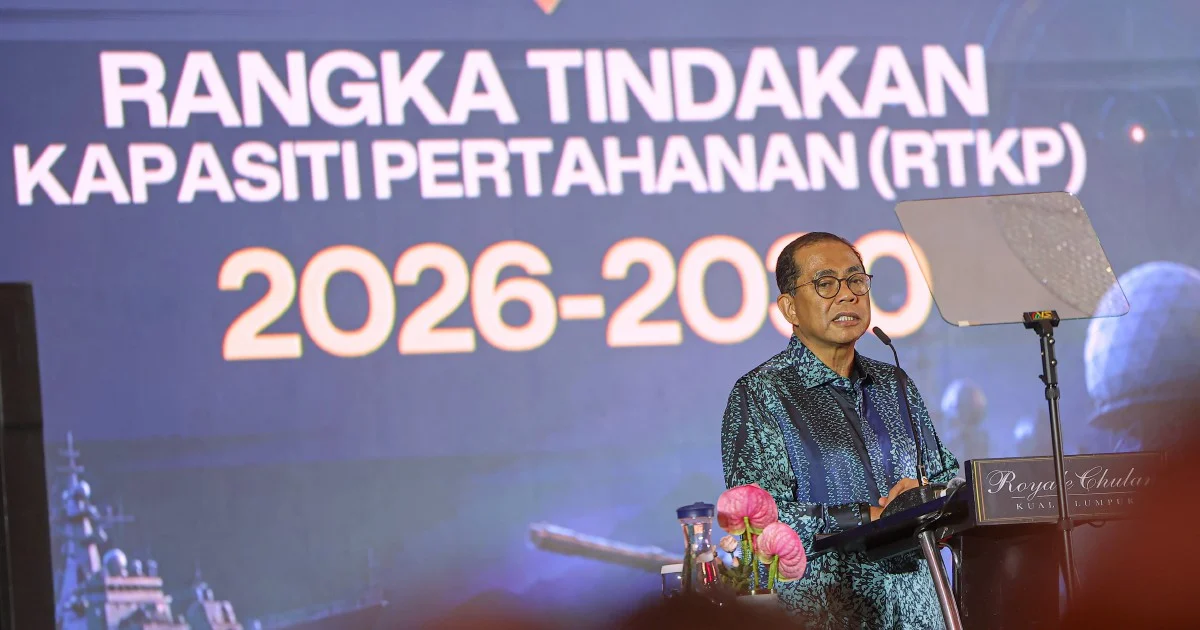
Malaysia's Defence Ministry has signalled its openness to engaging with Norway on resolving the controversial cancellation of a missile supply deal central to the nation's Littoral Combat Ship programme, Defence Minister Datuk Seri Mohamed Khaled Nordin confirmed. The withdrawal represents a significant complication for one of Malaysia's most ambitious naval modernisation initiatives, with implications extending far beyond bilateral defence cooperation.
The LCS project has been among the Defence Ministry's flagship undertakings for nearly two decades, designed to strengthen the Royal Malaysian Navy's capabilities in maritime security and regional operations. The acquisition of multiple vessels equipped with advanced weaponry was envisioned as a transformative step in addressing the nation's coastal surveillance and anti-piracy operations. Norway's cancellation of the associated missile systems creates an immediate operational and diplomatic challenge that demands careful navigation.
Norway's decision to withdraw represents an unexpected setback in what had been a longstanding defence relationship between the two nations. The Scandinavian country's move appears to reflect broader geopolitical considerations or policy shifts rather than simple technical or contractual disputes. Understanding the motivations behind Oslo's action remains critical for Malaysia's negotiating strategy going forward. Defence officials will need to assess whether this reflects changing Norwegian domestic priorities, international pressure, or specific concerns about the project's direction.
The implications for Malaysia extend well beyond the immediate loss of Norwegian equipment. The cancellation raises questions about supply chain reliability and the vulnerabilities inherent in depending on single vendors for critical defence systems. This development provides a cautionary lesson for Malaysian defence planners about the importance of diversifying supplier relationships and maintaining contractual safeguards against unilateral withdrawal by foreign partners. Future procurement strategies will likely reflect heightened awareness of such risks.
From a regional perspective, the incident underscores ongoing anxieties within Southeast Asia regarding military supply dependencies. Nations throughout the region have grappled with similar challenges when developed countries impose restrictions on defence technologies or reconsider existing commitments. Malaysia's experience may prompt broader reflection among ASEAN members about how best to secure reliable, stable sources for critical defence capabilities while maintaining strategic autonomy.
The financial dimensions of this dispute warrant serious consideration. Substantial resources have already been committed to the LCS programme, and any significant delays or substitutions involving alternative missile systems carry budgetary implications. The Defence Ministry must evaluate whether alternative suppliers can provide equivalent capabilities at comparable costs, or whether this represents an overall increase in project expenses. Parliament and Malaysian taxpayers will expect clarity on how defence resources will be managed in light of this disruption.
Datuk Seri Mohamed Khaled Nordin's public statement indicating government readiness for resolution suggests Malaysia intends to pursue diplomatic channels rather than adversarial approaches. This measured response reflects awareness that maintaining constructive relations with Norway may yield better outcomes than confrontational posturing. The Defence Ministry's approach signals confidence that negotiated settlements are achievable, provided both parties demonstrate good faith commitment to finding mutually acceptable arrangements.
The timeline for resolution remains uncertain, and this uncertainty itself carries costs. Extended delays in finalising alternative arrangements could impact the overall LCS programme timeline and force adjustments to the Navy's operational planning. The Defence Ministry will need to balance patience in diplomatic negotiations with urgency regarding the Navy's operational requirements and capability development schedules.
International defence procurement typically involves complex technical specifications, compliance certifications, and regulatory frameworks that make rapid substitutions difficult. Should Malaysia pursue alternative missile systems to replace Norway's withdrawn systems, a thorough evaluation process assessing compatibility, performance characteristics, and integration requirements would be necessary. This technical dimension adds layers of complexity beyond the diplomatic discussions.
The Defence Ministry's engagement strategy will likely involve exploring whether Norway might reconsider its position, whether compensation or modified arrangements could be negotiated, or whether alternative procurement pathways become necessary. Each option carries distinct advantages and drawbacks that officials must carefully weigh. The outcome of these deliberations will significantly shape Malaysia's defence industry relationships and procurement approaches for years ahead.
Moving forward, this situation illuminates the broader challenge facing nations like Malaysia in securing reliable sources for advanced defence systems. The episode reinforces that while international partnerships offer valuable benefits, they require careful management and contingency planning. As the Defence Ministry works toward resolution with Norway, the underlying lesson about strategic preparedness and supplier diversification will likely influence Malaysia's defence planning framework well into the future.

