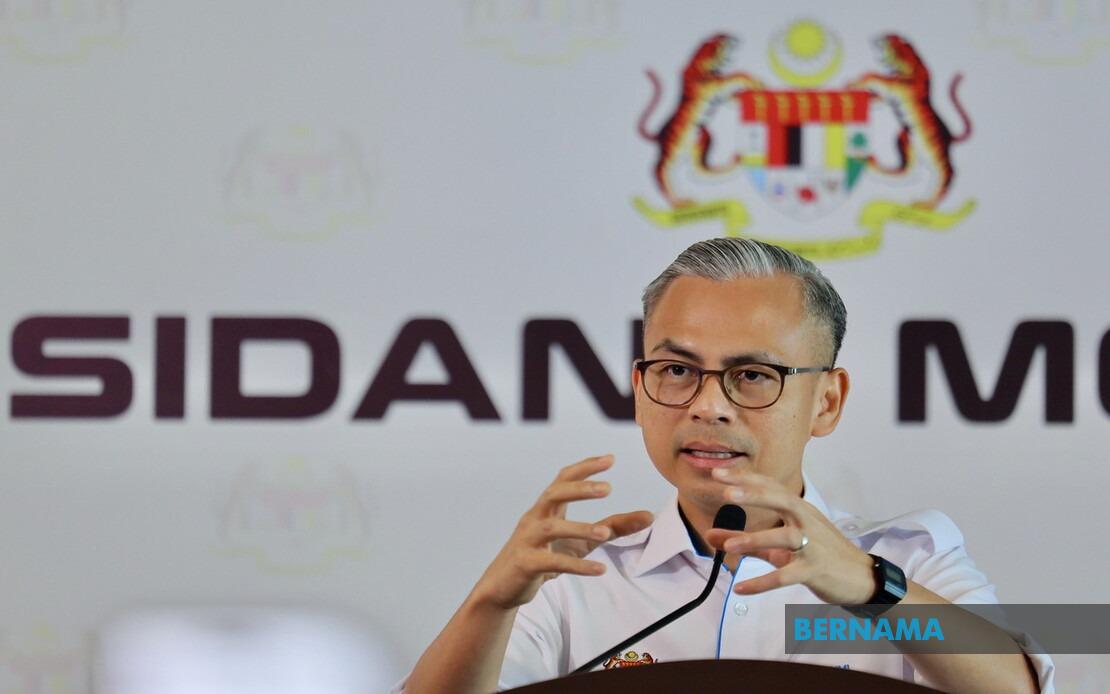
The Malaysian government is moving swiftly to tackle persistent labour challenges by convening a dedicated Cabinet Committee focused on foreign workers as early as next week. Deputy Prime Minister Datuk Seri Dr Ahmad Zahid Hamidi will lead the initiative, which has been formally approved during a Cabinet session presided over by Prime Minister Datuk Seri Anwar Ibrahim. Government Communications Minister Datuk Fahmi Fadzil announced the decision during his weekly press briefing in Putrajaya on June 26, signalling the administration's commitment to addressing staffing pressures that have become increasingly acute across various industries.
The forthcoming meeting carries particular significance for the hospitality and food and beverage sectors, which have emerged as vocal advocates for policy flexibility regarding foreign labour recruitment. These industries have consistently raised concerns about persistent manpower shortages that threaten operational capacity and service quality. By placing the discussion under the purview of the Deputy Prime Minister's office, the government has elevated the issue beyond routine ministerial coordination, suggesting that Cabinet-level intervention may be necessary to facilitate meaningful changes to existing protocols or regulations.
Fahmi's remarks underscored that the government recognises genuine operational constraints affecting multiple business segments, particularly those dependent on migrant workers to maintain production levels and service delivery. Rather than dismissing sector-specific requests as routine lobbying, the administration has acknowledged that labour market dynamics warrant comprehensive examination at the highest levels of executive decision-making. This approach reflects a pragmatic recognition that blanket policies may not adequately address the varied circumstances across different industries.
The timing of the committee's convocation is noteworthy given the mounting pressure from business associations and industry chambers to streamline foreign worker recruitment processes. Various sectors have argued that current policies are insufficiently responsive to genuine labour gaps, particularly in roles where domestic workers are unavailable or unsuitable. By committing to expedited deliberations, the Cabinet demonstrates awareness that delayed intervention risks further economic friction and potential service disruptions.
For Malaysian readers and businesses operating regionally, this development carries broader implications. Decisions emanating from this committee could influence labour policies across Southeast Asia, as Malaysia remains a significant node within regional supply chains and hospitality networks. Any substantive modifications to foreign worker regulations could establish precedents affecting regional labour mobility and competitive dynamics among neighbouring economies competing for similar talent pools.
The inclusive scope of the committee's mandate—encompassing not merely the F&B sector but foreign workers across multiple industries—indicates that policymakers envision holistic solutions rather than ad-hoc sectoral exemptions. This systemic approach may yield more durable and equitable outcomes than incremental adjustments responding only to the most vocal constituencies. It also suggests that government officials recognise interconnections between labour policies and broader economic competitiveness.
Fahmi's emphasis on ensuring matters are "managed and resolved comprehensively" points toward potentially substantial deliberations rather than perfunctory rubber-stamping of sector requests. The deliberative framework indicates that the Cabinet committee will examine not only immediate labour needs but also medium-term workforce planning, integration challenges, and potential societal impacts of expanded foreign labour intake. Such comprehensive examination should produce better-informed policy decisions than reactive responses to urgent requests.
The involvement of Ahmad Zahid Hamidi specifically suggests that the administration intends to channel sector concerns through clear institutional mechanisms while maintaining political control over sensitive policy domains. Foreign labour remains a politically charged issue in Malaysia, where concerns about wage pressure on local workers and cultural integration persist among segments of the electorate. Positioning the committee under the Deputy Prime Minister's direction ensures that decisions are made with full awareness of political implications and broader governance considerations.
Business leaders and industry associations awaiting clarity on labour policy parameters should prepare substantive submissions documenting labour shortages, recruitment timelines, and economic impacts. The committee's deliberations will likely benefit from detailed empirical evidence regarding sectoral manpower requirements and the effectiveness of existing recruitment channels. Organisations demonstrating genuine labour gaps through concrete data will presumably carry greater persuasive weight than those offering generalised appeals.
Regional observers should monitor the committee's conclusions carefully, as they may foreshadow broader shifts in Malaysia's approach to managing immigrant labour amid economic pressures and demographic shifts. The decision to prioritise this issue signals that the MADANI government views labour policy as integral to economic resilience and sectoral competitiveness. Outcomes from next week's meeting will illuminate how aggressively Malaysian policymakers are willing to adjust restrictive labour frameworks when confronted with demonstrable economic necessity.

