Malaysia's Fire and Rescue Department (JBPM) has sounded an urgent warning about the dangers of careless device charging, releasing figures showing that unsafe charging practices triggered 59 house fires across the country over a three-year span, destroying property worth RM14.2 million. The data, spanning 2023 to 2025, underscores a troubling trend that threatens household safety even as Malaysians increasingly rely on portable electronics for daily life. The department's comprehensive investigation into these incidents reveals patterns of risky behaviour that many householders have adopted without fully grasping the fire hazard they create.
Sarawak emerged as the most severely affected state, with fires linked to device charging inflicting losses totalling approximately RM9,707,956 across 11 documented cases. This figure dwarfs the damage recorded in other regions, making Sarawak's experience a cautionary tale for the rest of the nation. Kelantan followed with the second-highest losses at RM1,147,400 from 17 cases, suggesting that the frequency of incidents there, though lower in total value, points to a widespread problem affecting more households proportionally. Sabah recorded the third-largest financial impact at RM806,800 from three cases, indicating that while fewer fires were documented, those that did occur caused substantial destruction.
The remaining seven states experiencing device charging fires showed considerably lower aggregate losses, though each incident represents genuine danger to residents. Selangor, despite being Malaysia's most densely populated state, registered five cases amounting to RM661,040, while Penang recorded nine incidents totalling RM537,125. Johor documented two fires causing RM470,000 in damage, Putrajaya one fire resulting in RM387,000 in losses, Melaka four cases with RM214,810 in damages, Terengganu two cases totalling RM175,000, and Perak five incidents causing RM95,750 in destruction. Notably, no device charging-related fires were reported in Kedah, Negri Sembilan, Pahang, Perlis, Kuala Lumpur, or Labuan during the three-year period, and crucially, no fatalities were recorded anywhere in the nation from these incidents.
JBPM emphasised that investigating fire incidents demands far more than superficial assessment based on monetary losses or visual flame intensity. Each case presents distinct technical and logistical challenges that require methodical, comprehensive analysis to determine root causes and prevent future occurrences. The complexity of fire investigations depends substantially on where the incident occurred, what type of electronic device was involved, the degree to which physical evidence was consumed or damaged by heat and flames, the hazards investigators face when examining the scene, and the specialised technical expertise needed to analyse the charred remnants. Some investigations that appear relatively minor based on property destruction actually demand extensive forensic work and risk assessment.
The department revealed that its most resource-intensive cases are frequently those that involve limited or badly compromised physical evidence rather than those causing the largest financial losses. Investigators must employ rigorous methodologies to draw accurate conclusions from fragments, burn patterns, and residual electrical components that may provide only fragmentary clues about what caused ignition. This investigative sophistication is essential because accurate determination of fire cause helps shape public safety messaging and regulatory focus.
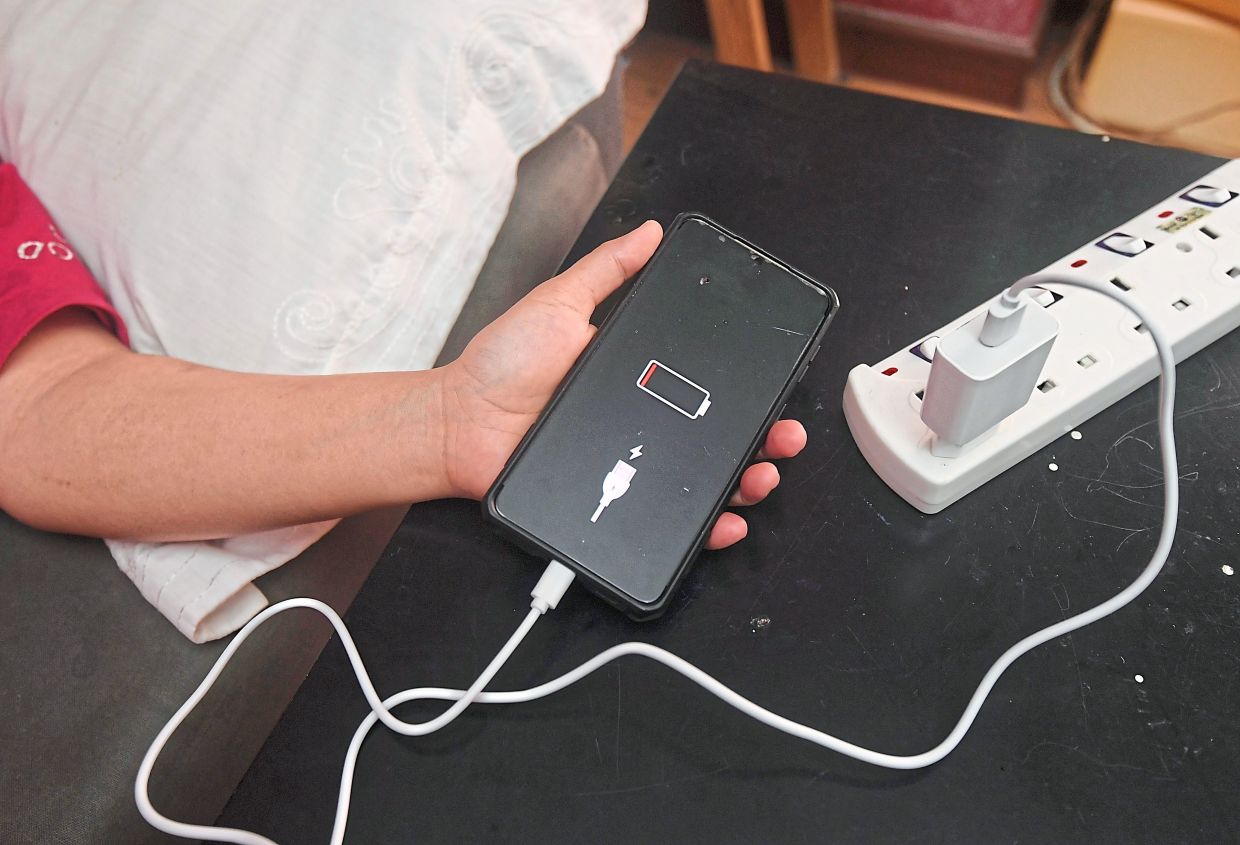
JBPM's investigation identified several dangerous charging behaviours that appear repeatedly across the 59 cases. Leaving electronic devices to charge throughout the night with no one present to monitor them emerged as a particularly prevalent hazard, as does the widespread practice of using chargers and cables that lack proper certification or safety compliance. Users frequently charge smartphones, tablets, and laptops directly on soft furnishings such as mattresses, pillows, upholstered sofas, or blankets, creating an ideal environment for fires to develop and spread rapidly. Additionally, overloading power strips with multiple high-draw devices, and continuing to use devices showing obvious damage signs—including battery swelling, excessive heat generation, burning odours, or frayed cables—substantially elevates fire risk.
The underlying driver of many unsafe charging practices appears rooted in consumer behaviour and purchasing decisions. JBPM noted that many Malaysians continue to prioritise lower cost over safety when selecting chargers, cables, and related electrical components. This cost-conscious approach often results in purchasing equipment that fails to meet recognised safety standards, creating conditions where overheating, electrical short circuits, and ultimately ignition become likely outcomes. The widespread availability of cheap, non-certified charging equipment in Malaysian markets facilitates this dangerous choice, with many consumers unaware that certification marks represent meaningful safety testing rather than mere bureaucratic requirements.
Public consciousness regarding device charging fire risks remains inadequate across Malaysian society, according to JBPM's assessment. The department recognises that awareness campaigns addressing electrical and fire safety have not reached sufficient saturation to change behaviour at a population level. The gap between knowing that unsafe practices exist and actually modifying one's own charging habits persists among many households, suggesting that current messaging has not made a compelling emotional or practical connection with consumers. Education initiatives that explain the specific chain of events leading from damaged equipment to household fire, rather than abstract warnings, may prove more effective.
JBPM has urged Malaysians to implement multiple protective measures when charging portable devices. Users should avoid placing devices on soft surfaces during charging, immediately replace damaged power outlets, frayed cables, or broken charging adapters rather than attempting to continue using them, and discontinue using devices displaying swelling batteries, excessive heating, burning smells, or other damage indicators. Most importantly, consumers should prioritise purchasing chargers and cables carrying SIRIM certification or other recognised international safety approvals, accepting that spending marginally more on certified equipment offers protection that cheap alternatives cannot provide.
The department committed to intensifying its public education efforts through expanded fire safety training initiatives, targeted prevention outreach campaigns, and strengthened coordination with relevant government and private sector agencies. This comprehensive approach aims to gradually shift Malaysian consumer behaviour and awareness so that safe device charging becomes automatic rather than exceptional. Given that no deaths resulted from these 59 incidents, the opportunity exists to prevent future fires entirely through proactive public engagement before the next casualty occurs. As Malaysians rely ever more heavily on rechargeable electronics, establishing a culture of charging safety represents an essential element of residential fire prevention strategy.