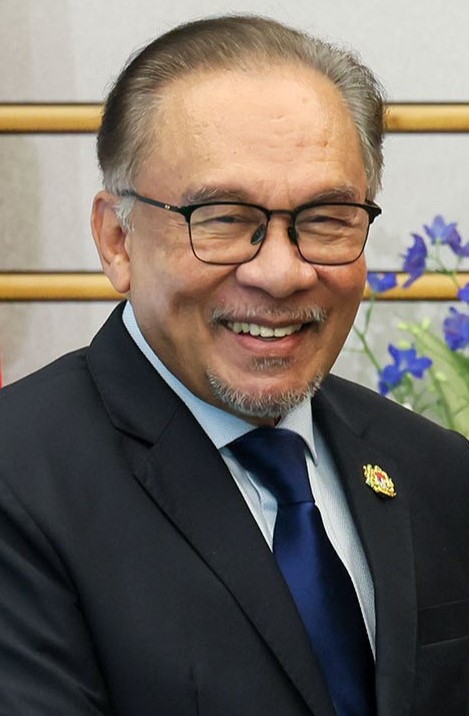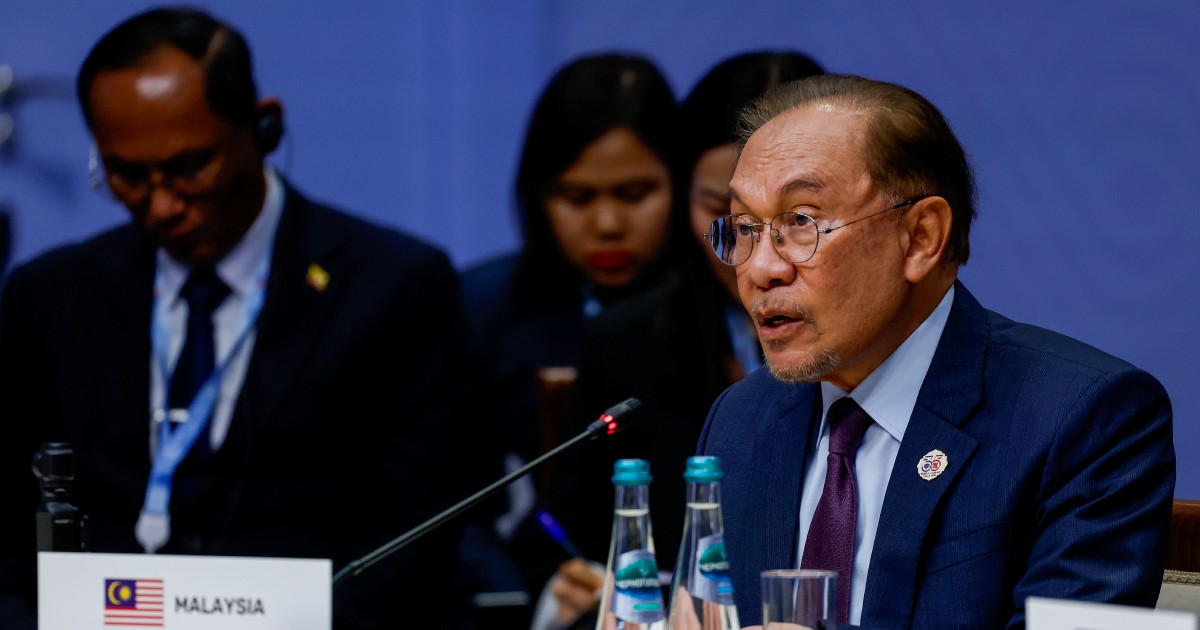
Prime Minister Anwar Ibrahim has underscored the indispensable role of dialogue and diplomatic engagement in navigating the complex landscape of contemporary international relations, positioning these approaches as fundamental prerequisites for achieving meaningful and enduring peace in an increasingly fractious world.
The Malaysian leader's intervention comes at a moment when geopolitical fault lines are deepening across multiple regions, from the Middle East to Eastern Europe and the Asia-Pacific, creating an environment where miscalculation and escalation pose genuine risks to global stability. Anwar's emphasis on dialogue reflects Malaysia's longstanding commitment to multilateralism and conflict resolution through peaceful means, a principle that has guided the nation's foreign policy throughout its history of navigating diverse regional interests.
At the heart of Anwar's argument lies a recognition that military solutions and coercive measures, while sometimes appearing expedient in the short term, ultimately fail to address the underlying grievances and structural tensions that fuel protracted conflicts. By contrast, sustained diplomatic channels and inclusive dialogue platforms create opportunities for disputants to articulate their concerns, identify common ground, and develop mutually acceptable solutions that carry greater legitimacy and durability. This approach resonates particularly strongly in the Southeast Asian context, where the Association of Southeast Asian Nations has built regional stability on principles of non-interference and consensus-building.
The Prime Minister's message carries particular weight given Malaysia's position as a significant player in regional affairs and a nation with experience mediating various international disputes. Throughout its tenure in prominent international forums, Malaysia has consistently advocated for inclusive approaches that bring diverse stakeholders to the negotiating table rather than allowing conflicts to harden along rigid ideological or strategic lines. Such engagement requires patience, cultural sensitivity, and genuine commitment to understanding opposing viewpoints—qualities that distinguish transformative diplomacy from mere tactical negotiations.
Anwar's intervention also speaks to the broader challenge facing the global community in an era characterised by competing great-power interests and asymmetric conflicts. Traditional mechanisms for managing interstate disputes, while still valuable, must be complemented by innovative platforms for dialogue that accommodate non-state actors, civil society representatives, and other stakeholders whose voices influence conflict dynamics. The digital age has simultaneously complicated diplomatic processes while creating new possibilities for track-two dialogue and informal consensus-building among influential opinion leaders across borders.
The Malaysian perspective on conflict resolution emphasises the importance of addressing not merely the symptoms of tensions but their root causes, which frequently include economic disparities, historical grievances, identity-based discrimination, and struggles for resource access and autonomy. Without tackling these foundational issues, even successful negotiations risk producing fragile settlements that unravel when circumstances shift or new triggers emerge. This deeper understanding of conflict etiology informs Malaysia's advocacy for comprehensive peace frameworks rather than narrow band-aid solutions.
Furthermore, Anwar's call for strengthened diplomatic engagement implicitly challenges the assumption that military buildups and strategic deterrence inevitably promote stability. Paradoxically, arms races and security dilemmas often generate precisely the miscalculations and escalatory dynamics they purport to prevent. By contrast, transparent dialogue allows competing powers to clarify intentions, reduce uncertainty, and establish reciprocal confidence-building measures that defuse tensions more effectively than weapons stockpiles.
The Prime Minister's position also reflects Malaysia's awareness that regional stability directly affects national interests and economic prosperity. As a trading nation dependent on predictable international conditions and freedom of navigation, Malaysia has obvious incentive to promote global peace and the rules-based international order that underpins commercial activity and development. This self-interested calculation aligns perfectly with Malaysia's principled commitment to multilateralism, creating a coherent foreign policy framework that advocates for peaceful resolution not from naïveté but from clear-eyed assessment of national requirements.
Anwar's emphasis on dialogue further resonates with Malaysia's experiences managing internal diversity across ethnic, religious, and political lines. The Malaysian model of accommodating different communities through institutional arrangements and consensus-based governance, while imperfect, offers insights into how deeply divided societies can establish frameworks for coexistence without resorting to violence. These lessons, hard-won through decades of nation-building, inform Malaysia's international advocacy for inclusive political settlement and dialogue-based conflict resolution.
The Malaysian leader's intervention arrives as international tensions remain elevated, with multiple regional conflicts claiming lives and displacing populations while consuming resources urgently needed for development and poverty alleviation. By championing dialogue and diplomacy, Anwar positions Malaysia alongside those advocating for restraint and negotiation over escalation, a stance that strengthens the nation's moral authority and soft power in international forums.
Ultimately, Anwar's message articulates a conviction that shared humanity and common interests transcend the divisions driving contemporary conflicts, and that patient, persistent diplomatic engagement remains humanity's most reliable tool for converting hostility into understanding and violence into peace. In an era when unilateral action and zero-sum competition threaten to undermine international cooperation, such advocacy for dialogue assumes vital importance.